

Table of Contents
Introduction
Whether you’re a new student stepping into your first semester or a returning student working toward graduation, tracking your academic deadlines is one of the smartest habits you can build. At the University of Waterloo, every term has specific cut-off dates for registration, dropping courses, paying tuition, applying for refunds, and much more. Missing even one of these deadlines can cause stress, penalties, or delays in your academic journey.
Key Academic Terms and What They Mean
The University of Waterloo’s academic year is divided into three main terms: Fall, Winter, and Spring. Each term has its structure, with specific durations and important activities. Understanding the rhythm of each term will help you plan your studies, breaks, co-op placements, and personal commitments.
What Is an Academic Term?
At UWaterloo, an academic term is usually about four months long.
Here’s how they are typically structured:
- Fall Term: September to December
- Winter Term: January to April
- Spring Term: May to August
Each term includes a set number of instructional weeks followed by a final examination period. Some students participate in co-op programs, which alternate between academic study terms and work placements, so being aware of your specific term schedule is essential.
Course Add, Drop, and Withdrawal Periods
At the start of each term, students have a limited window to add or drop courses. These changes must be made early, or you could end up with unwanted grades or no refund.
- Add Deadline: The final date to enroll in a course without needing special permission
- Drop Without Penalty: Early in the term, dropping a course won’t appear on your transcript
- Withdrawal With Grade: After the drop deadline, courses withdrawn from will show on your record as WD (Withdrawn) or WF (Withdrawn-Fail)
If you want flexibility during the term or you’re unsure about a course, it’s wise to mark these deadlines on your calendar ahead of time.
Critical Deadlines for the Academic Year
Each academic term comes with a set of important dates that guide your activities throughout the term. These include course selection windows, tuition fee deadlines, exam dates, and reading weeks. Missing any of these can lead to financial penalties, academic setbacks, or missed opportunities.
1. Course Enrollment and Selection Dates
Before every term, students must select and enroll in courses through Quest, the university’s student portal. Enrollment is done in phases depending on your academic level, program, and faculty. The earlier you register, the better your chances of getting into the courses and timeslots you prefer.
Here are the important course selection dates for the 2025–2026 academic year:
- Fall 2025 Course Selection: May 22 to June 2, 2025
- Winter 2026 Course Selection: October 3 to October 10, 2025
- Spring 2026 Course Selection: Typically opens in January 2026 (exact dates pending)
Once the course selection period ends, you may still adjust your schedule during the add/drop period. However, course availability becomes more limited, so it’s best to act early.
2. Fee Payment and Refund Deadlines
Paying your tuition and incidental fees on time is essential. Late payment can result in interest charges, course holds, or even cancellation of your schedule. If you later decide to withdraw from a course or term, the date of withdrawal determines how much money you can get back.
Here’s a general timeline for 2025:
- Fall 2025 Fee Payment Due: August 22, 2025
- Winter 2026 Fee Payment Due: December 10, 2025
- Spring 2026 Fee Payment Due: April 15, 2026
- Refund policies vary depending on when you drop your course.
Here’s a simplified look at how refunds are usually applied:
- Before the term starts: 100% refund
- First two weeks: 75% to 50% refund
- Midterm: 25% or no refund, depending on the faculty
- After midterm: No refund
Always refer to the official refund schedule for your specific faculty and term.
3. Exam Periods and Breaks
Final exams take place at the end of each term, usually over two weeks. Your individual exam timetable is released several weeks before exams begin. Exams may be scheduled during the day, evening, or weekends, so make sure to check early and plan your travel or job commitments accordingly.
The scheduled exam periods for the 2025–2026 academic year are:
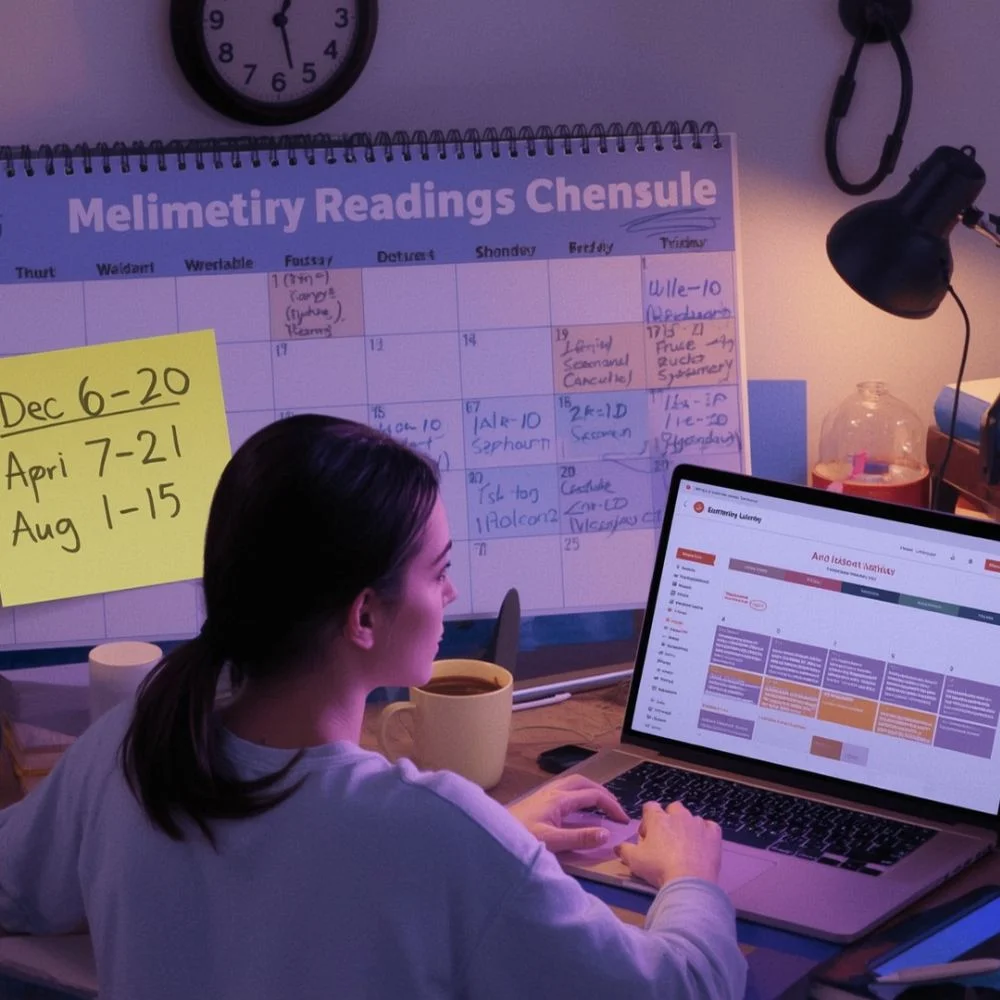
- Fall Term Exams: December 6 to December 20, 2025
- Winter Term Exams: April 7 to April 21, 2026
- Spring Term Exams: August 1 to August 15, 2026
Students also get a mid-term break in the Fall and Winter, known as Reading Week. While it’s called a break, it’s the perfect time to catch up on studies, revise assignments, or rest.
- Fall Reading Week 2025: October 13 to 17
- Winter Reading Week 2026: February 16 to 20
Dates for New Students to Remember
If you’re starting your academic journey at Waterloo, you’ll have a few extra deadlines to keep track of. These include accepting your offer, applying for residence, registering for orientation, and selecting your first courses.
1. Offer Acceptance and Residence Application
Once you’ve received your admission offer, the next step is confirming your acceptance and planning your stay. UWaterloo offers a residence guarantee for first-year students, but only if you meet the deadline.
- Admission Offer Acceptance Deadline: June 2, 2025
- Residence Guarantee Deadline: June 10, 2025
- Entrance Bursary Application Deadline: April 15, 2025
To secure a spot in campus housing, complete the residence application by the deadline. You may need to pay a deposit and rank your residence preferences.
2. Orientation and Course Start
Orientation is your introduction to campus life, academic support, and student services. It helps you connect with your peers and get ready for your first term. Registration for orientation typically opens about one month before classes start.
- Orientation Registration Opens: August 11, 2025
- Classes Begin (Fall Term): September 3, 2025
You might also have orientation sessions that are specific to your program, scheduled between July 8 and July 17. These are especially important if you’re enrolled in programs like Engineering, Health, or Science. They’re designed to help you get familiar with lab work, understand how course selection works in your department, and connect with academic advisors who can support you through your degree.
How to Stay on Top of UWaterloo Important Dates?
Trying to remember every university deadline can get overwhelming. But with a few easy tricks and tools, you can stay organized and never miss a critical date.
1. Rely on the Official Academic Calendar
Waterloo’s academic calendar is your go-to source for the most up-to-date and accurate deadline information.
It outlines everything you need to know, including:
- Course enrollment windows
- Add/drop deadlines
- Final exam periods and reading breaks
- Co-op and graduation-related dates
Make it a habit to check the calendar at the beginning of every term. Some faculties also provide their schedules for things like thesis submissions or co-op milestones, so keep an eye on those as well.
2. Set Smart Calendar Reminders
Once you know your deadlines, plug them into your calendar. That way, you’ll never be caught off guard.
Try using:
- Google Calendar to access dates across all your devices
- Apple or Android calendars with color-coded reminders for clarity
- Notion or Trello for a more detailed and personalized organization system
- Paper planners, if you like having a physical copy in front of you
To stay ahead, set alerts at least one week and one day before each deadline. A small reminder can go a long way in preventing last-minute stress.
What If You Miss a Deadline?
Even if you plan carefully, life can still get in the way. Whether you were dealing with illness, personal issues, or simply misread a date, here’s what to expect and what you can do about it.
1. Consequences and What You Can Do
Missing different types of deadlines comes with different outcomes:
- Missed Course Enrollment: You may have to wait until the next term to register
- Late Fee Payment: This usually results in a late charge and may restrict your access to classes
- Missed Exam Application: You might need to apply for a deferred exam under special circumstances
- Missed Graduation Application: Your convocation could be postponed to the following term
That said, Waterloo does provide support for students in difficult situations.
If you’ve missed something important:
- Reach out to your academic advisor right away for advice
- File a petition for special consideration through your faculty
- Contact the Registrar’s Office or Student Success Office for broader support
In most cases, you’ll need to provide proof, like a medical note or a formal explanation.
2. Pro Tips for Staying Ahead
To help keep your academic life on track, here are some proven strategies students at UWaterloo use:
- Review the official calendar before each term starts
- Add deadlines to your phone or planner with visible alerts
- Follow your faculty’s updates and newsletters
- Use sticky notes or wall planners to keep deadlines in view
- Stay connected with UWaterloo’s social media accounts for important updates and reminders
Being organized doesn’t need to be complicated, just proactive. Small actions early on can save you from big problems later
conclusion
The University of Waterloo is full of exciting challenges and valuable opportunities. But to make the most of your time here, you’ll need to stay on top of your academic and financial obligations. Knowing key dates for things like course registration, tuition payment, residence applications, and exams can make your life smoother and more manageable. Think of this guide as your planner. Keep it handy throughout the year so you can stay focused and stress-free.