
Table of Contents
What Are Tretinoin and Retinol?
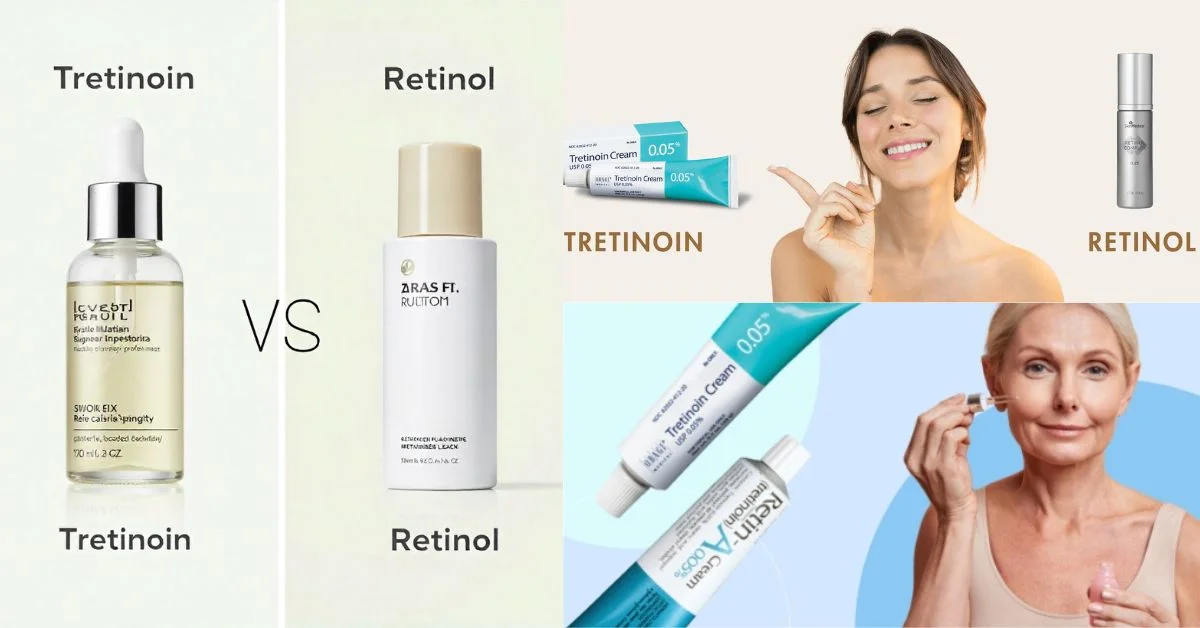
When it comes to achieving clearer skin, two popular ingredients often come up: tretinoin and retinol. Both belong to the vitamin A family and are known for their ability to improve skin texture, reduce acne, and boost overall skin health. However, they are not the same, and understanding their differences can help you pick the best product for your skincare routine.
What is Tretinoin?
Tretinoin, also known as retinoic acid, is a prescription-strength derivative of vitamin A. It’s been widely used for decades in dermatology to treat acne, reduce wrinkles, fade dark spots, and promote skin cell turnover.
Tretinoin is powerful, it works by speeding up skin renewal, unclogging pores and stimulating collagen production. Because it’s a direct form of vitamin A (the active form), it doesn’t need conversion in your skin, which makes it highly effective but also more potent and sometimes irritating.
What is Retinol?
Retinol is a gentler, over-the-counter (OTC) form of vitamin A. It’s a precursor to tretinoin, meaning your skin has to convert retinol into retinoic acid before it becomes active. The skin converts retinol into its active form, which makes it gentler but slower to show results.
Retinol is commonly found in many skincare products and is favored for its anti-aging and acne-fighting benefits without the harsh side effects often associated with tretinoin.
How Do They Work for Clearer Skin?
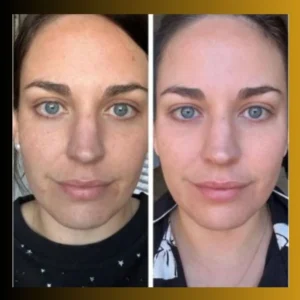
Both tretinoin and retinol belong to the retinoid family and function by encouraging skin cell turnover, which is the process of shedding dead skin cells and generating new ones. This is essential for clearing acne, brightening skin tone, and smoothing texture.
Tretinoin’s Skin Benefits
- Faster results: Because tretinoin is already in its active form, it starts working immediately on skin cells.
- Powerful acne treatment: It unclogs pores, reduces inflammation, and prevents new acne lesions.
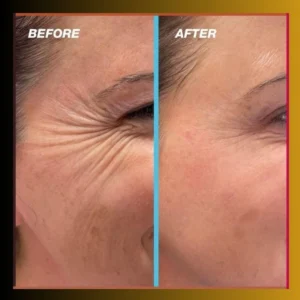
- Anti-aging effects: Boosts collagen, reduces wrinkles, and fades pigmentation.
- Effective for stubborn skin issues: Great for severe acne or significant sun damage.
Retinol’s Skin Benefits
- Gentler on sensitive skin: Less irritation compared to tretinoin, making it suitable for beginners.
- Improves skin texture over time: It smooths skin texture by reducing fine lines, mild acne, and uneven skin tone with the passage of time.
- Antioxidant properties: Protects against free radical damage.
- Accessible and easy to find: Available in many OTC products with various formulations.
Speedy Results
If you’re after clearer skin fast, tretinoin generally takes the lead. Because tretinoin acts immediately without needing conversion, you may notice improvements in acne and skin texture within 4 to 6 weeks.
Retinol, on the other hand, requires conversion by your skin and tends to show visible results around 8 to 12 weeks or longer. So, if patience isn’t your virtue and you want quicker results, tretinoin might be your best bet but it often comes with more side effects.
Side Effects: What to Expect
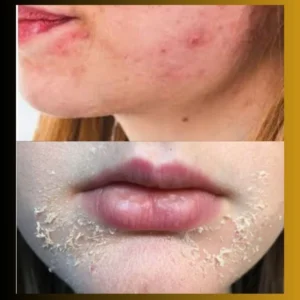
You may experience side effects from both tretinoin and retinol, especially during the initial stages of use.Here’s a quick rundown:
Tretinoin Side Effects
- Redness and irritation (often called retinization)
- Dryness and peeling
- Increased sensitivity to the sun
- Possible initial acne flare-ups
Because tretinoin is potent, it’s common to experience some discomfort in the first few weeks. Dermatologists usually recommend starting slow like every other night to build tolerance.
Retinol Side Effects
- Mild irritation (less intense than tretinoin)
- Dryness or slight peeling
- Some sensitivity to sunlight (though less severe)
Retinol is better tolerated by most people, especially those with sensitive skin or beginners new to retinoids.
Practical Tips for Using Tretinoin and Retinol
No matter which one you choose, using these ingredients correctly is key to maximizing benefits and minimizing irritation.
Tips for Using Tretinoin
- Start Slow: Begin gradually by applying a pea-sized amount every other night.
- Moisturize: Use a gentle moisturizer to combat dryness.
- Use Sunscreen: Always apply broad-spectrum SPF in the morning.
- Avoid Harsh Products: Skip exfoliants or other irritants at first.
- Be Patient: Initial redness and peeling are normal; results take time.
Tips for Using Retinol
- Introduce Gradually: Start with a lower concentration (like 0.25%).
- Apply at Night: Use after cleansing and before moisturizing.
- Sun Protection: Use sunscreen daily to protect your skin.
- Watch for Irritation: If redness appears, reduce usage frequency.
- Consistency is Key: Regular use over months yields best results.
Which One Is Right for You?
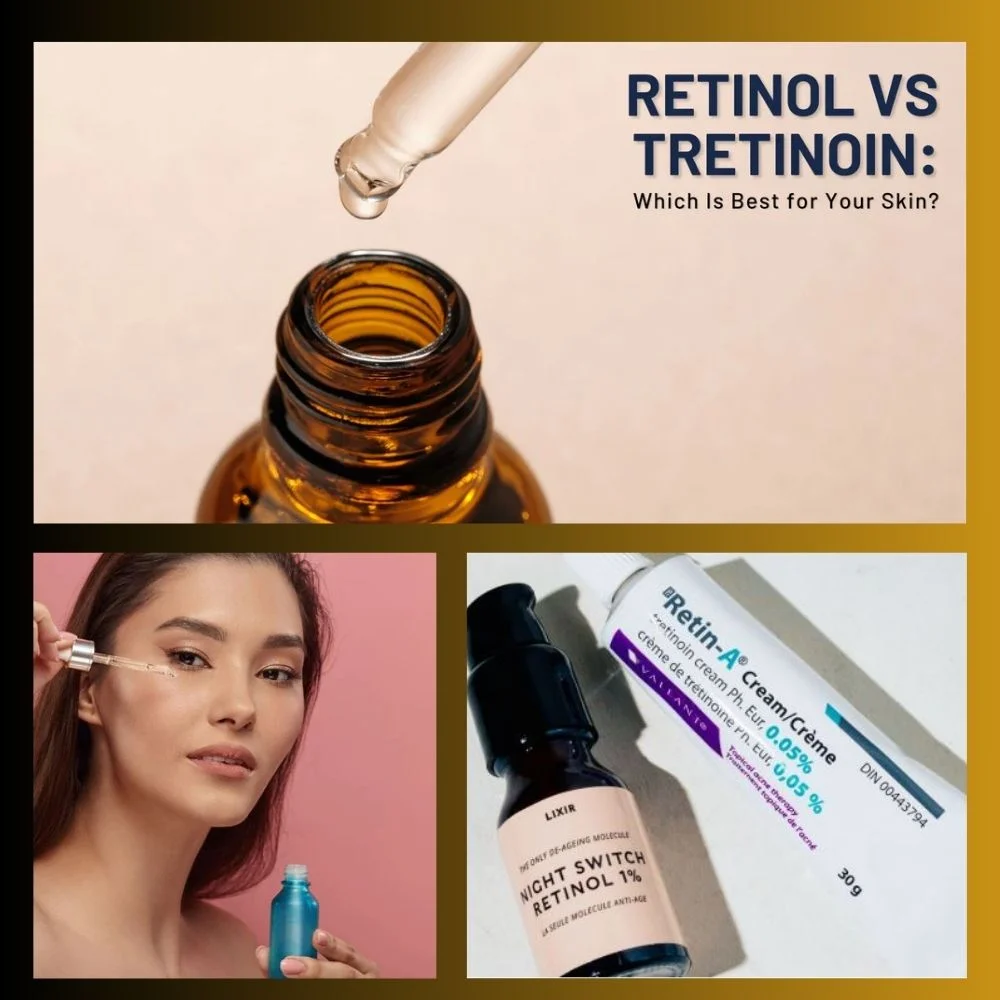
Choose Tretinoin If:
- You want fast, dramatic results for acne or aging.
- You have moderate to severe acne.
- You can tolerate some initial irritation.
- You have access to a dermatologist for prescription guidance.
Choose Retinol If:
- You’re new to retinoids or have sensitive skin.
- You want gradual improvement with minimal side effects.
- You’re looking for an affordable, OTC option.
- You want to maintain skin health with mild anti-aging benefits.
How to Use Tretinoin and Retinol Safely?
- Start with a low concentration, especially with tretinoin.
- Use only once daily, preferably at night.
- Apply a pea-sized amount on clean, dry skin.
- Avoid using other strong active ingredients like exfoliating acids on the same day.
- Always wear sunscreen during the day, as both increase sun sensitivity.
- Moisturize well to reduce dryness and irritation.
For tretinoin, it’s best to follow your doctor’s instructions carefully to avoid overuse and irritation.
FAQs
1. Can I use tretinoin and retinol together?
It’s generally not recommended to use tretinoin and retinol together, as both are retinoids and can increase the risk of irritation, dryness, and sensitivity. Stick to one at a time unless advised by a dermatologist.
2. Which is stronger: tretinoin or retinol?
Tretinoin is significantly stronger than retinol. It’s a prescription-grade retinoid and doesn’t require conversion in the skin, making it more potent and effective for faster results.
3. How long does it take for tretinoin to clear skin?
Most people start seeing noticeable improvements in 4 to 6 weeks with regular use, but full results may take 12 weeks or more. Initial breakouts (purging) are common.
4. Is retinol safe for sensitive skin?
Yes, people with sensitive skin often tolerate retinol better than tretinoin. Start with a low concentration and apply it only a few times a week to build tolerance.
5. Should I moisturize after applying tretinoin or retinol?
Absolutely. Moisturizing helps reduce dryness and irritation caused by both tretinoin and retinol. Some people use the “sandwich method” moisturizer before and after application to buffer the effects.
Final Thoughts
Both tretinoin and retinol are incredible tools in your skincare arsenal for achieving clearer, healthier skin. While tretinoin offers faster, more potent results, retinol provides a gentler, more approachable path to skin improvement.
Whichever you choose, remember that patience, consistency and proper skin care habits like moisturizing and sun protection are just as important as the product itself.