
Table of Contents
- What Does Medium Rare Really Mean?
- Why Temperature Matters More Than Time?
- Best Steak Cuts for Medium Rare Cooking
- Must-Have Tools for Steak Perfection
- How to Check Doneness Without a Thermometer?
- Prepping Your Steak
- How to Cook the Steak: Step-by-Step?
- How to Slice for Best Results?
- Suggested Side Dishes
- Sauce Ideas to Enhance Flavor
- Common Mistakes to Avoid
- Final Tips and Reminders
- Conclusion
A medium rare steak is a favorite for many meat lovers. It delivers that ideal balance between a warm, red center and a flavorful, seared crust. Whether you’re preparing dinner for yourself or impressing guests, mastering how to cook the perfect medium rare steak by temperature is essential.
Cooking the perfect medium rare steak is all about using the right temperature, not just timing. With the proper tools and a few easy steps, you can make a steak that’s juicy, tender and full of flavor, every single time.
What Does Medium Rare Really Mean?
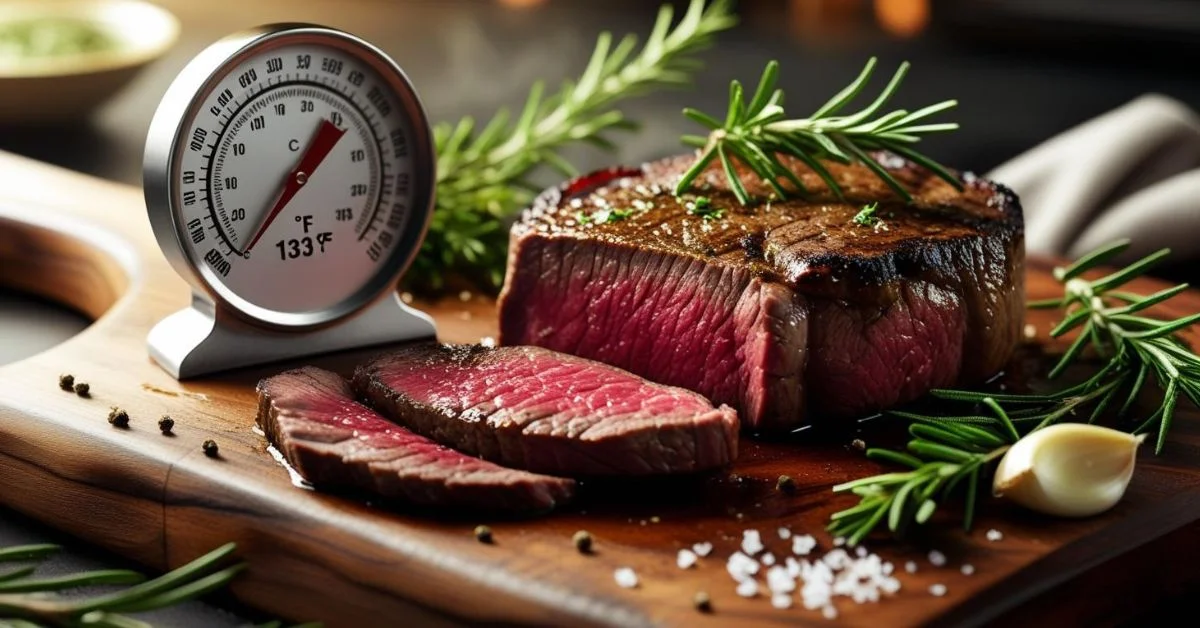
When people say, “medium rare,” they’re referring to how cooked the inside of the steak is. To get that perfect medium rare, aim for an internal steak temperature between 130°F and 135°F (54°C–57°C). This means the center is red and warm, while the outer parts are nicely browned and flavorful.
Medium rare is often considered the best level of doneness because it keeps the meat juicy, tender and rich in flavor. The fat inside the meat begins to melt, adding even more taste and softness without drying it out.
Why Temperature Matters More Than Time?
While many recipes say to cook a steak for “x” minutes per side, this method isn’t always accurate. How long it takes to cook your steak depends on the thickness, the cooking method and the type of cut you’re using. A thin ribeye and a thick filet mignon need different cooking times because they don’t cook the same way.
That’s why checking the internal temperature is the most reliable method. A good thermometer tells you exactly when your steak is ready, no guessing involved. The result? A steak that’s cooked perfectly every time.
1. Quick Doneness Guide
- Rare: 120–125°F (Cool, red center)
- Medium Rare: 130–135°F (Warm, red center)
- Medium: 135–145°F (Pink throughout)
- Medium Well: 145–155°F (Slight pink center)
- Well Done: 160°F+ (Fully cooked, no pink)
If you’re aiming for tenderness and flavor, medium rare is the sweet spot.
Best Steak Cuts for Medium Rare Cooking
You can cook many types of steak to medium rare, but some cuts work better than others. Look for meat with good marbling, those small white lines of fat that run through the steak. Fat in the steak slowly melts as it cooks, helping it stays juicy and packed with flavor.
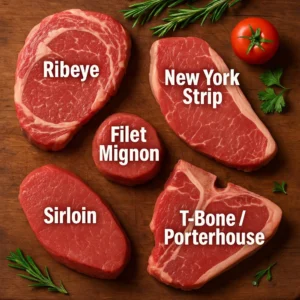
1. Top Cuts to Try
- Ribeye: Rich flavor and lots of marbling
- New York Strip: Balanced fat and texture
- Filet Mignon: Very tender and lean
- T-Bone or Porterhouse: Combination of strip and tenderloin
- Sirloin: Leaner but still flavorful
Choose steaks that are at least 1 to 1.5 inches thick, so they cook evenly and stay tender inside. Thicker steaks are easier to cook accurately without drying them out.
Must-Have Tools for Steak Perfection
You don’t need fancy equipment to make a great steak, but having the right tools makes the process easier and more precise.
1. Recommended Tools
- Digital Meat Thermometer: The most accurate way to check doneness
- Cast Iron Skillet or Grill: Provides even, high heat for proper searing
- Tongs: To flip the steak without piercing it
- Before cooking: gently press a paper towel on both sides of the steak to soak up any surface moisture.
- High-Smoke Point Oil: Like avocado, canola or sunflower oil
Using a meat thermometer is the most important step. It removes all doubt and helps you cook with confidence.
How to Check Doneness Without a Thermometer?
Not everyone has a meat thermometer at home, but you can still estimate doneness using a simple touch test. This method isn’t as precise, but it can help in a pinch.
1. Finger Test Method
You can use your hand as a reference:
- Rare: Touch your thumb and index finger together and press the base of your thumb with the other hand. It feels very soft.
- To test for medium rare without tools: press your thumb to your middle finger and feel the soft part below your thumb, it should feel slightly springy, like a medium rare steak.
- That’s the texture of medium rare steak.
- To test doneness without a thermometer: press your thumb to your middle finger, the soft pad under your thumb feels similar to a medium rare steak.
- For a steak that’s well done, press your thumb to your pinky finger; the pad under the thumb will feel firm, just like a fully cooked steak.
2. Visual Clues
- A medium-rare steak has a warm, pink center and a nicely browned crust on the outside.
- When you press it with a finger or tongs, it should spring back slightly but not feel hard.
3. Use with Caution
This method isn’t foolproof, so it’s best suited for experienced cooks or when tools are unavailable. For the most reliable results, invest in a good meat thermometer.
Prepping Your Steak
Before your steak even touches the pan or grill, a few preparation steps make all the difference.
1. Bring to Room Temperature
Let the steak sit at room temperature for 30 to 45 minutes before cooking, this helps it cook more evenly. Cooking meat straight from the fridge can lead to uneven doneness, especially in thicker cuts.
2. Dry It Off
Drying the steak with paper towels before searing helps create a crisp, golden crust when it hits the heat. This helps you get a better sear and prevents steaming.
3. Season Simply
You don’t need a long list of spices. A generous amount of salt and freshly ground black pepper works wonders. You can add garlic powder or herbs if you prefer but keep it simple to let the steak’s natural flavor shine.
How to Cook the Steak: Step-by-Step?
No matter which method you use, try to cook the steak until its center reaches between 130°F and 135°F, that’s the sweet spot for medium rare. Whether using a stovetop, grill or oven, the key is searing at high heat and finishing carefully.
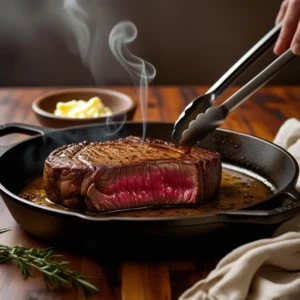
1. Pan-Seared Method
Pan-searing is one of the quickest and easiest ways to cook a steak.
1. Steps
- Heat a cast-iron pan over high heat until very hot.
- Add a tablespoon of oil.
- Place the steak in the pan and sear for 2–3 minutes on one side.
- Flip and sear for another 2–3 minutes.
- Check the internal temperature. Remove when it hits 130–135°F.
- Let it rest for 5–10 minutes before slicing.
2. Grilled Steak
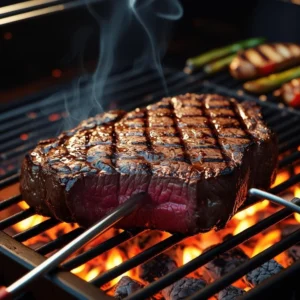
Grilling gives you that smoky flavor and beautiful grill marks.
1. Steps
- Preheat your grill to high heat.
- On the grill, sear both sides for 2–3 minutes over high heat, then move it to a cooler area and finish with the lid closed.
- Monitor the temperature with a thermometer.
- Remove at 130–135°F, then rest before slicing.
3. Reverse Sear Method (For Thick Steaks)
Perfect for steaks thicker than 1.5 inches, this method slowly cooks the steak before searing it.
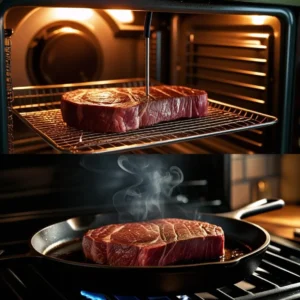
1. Steps
- Preheat your oven to 250°F (120°C).
- When using the oven, place your steak on a wire rack set over a baking sheet for even cooking.
- Cook until the internal temperature reaches 110–115°F.
- Sear both sides in a hot skillet until the temp reaches 130–135°F.
- Let it rest before slicing.
This method results in an even cook from edge to center, with a delicious crust.
4. Let It Rest
Always let your steak rest after cooking, this keeps the juices from spilling out when you cut it. Let the steak sit untouched for 5 to 10 minutes after cooking so the juices stay inside, and each bite stays juicy.
How to Slice for Best Results?
Slicing your steak the right way can make a big difference in how it tastes and feels when you eat it. After the steak has rested for 5 to 10 minutes, it’s time to cut it, but not just any way.
Always slice against the grain. This means cutting across the lines of muscle fibers you see in the meat, rather than following them. When you cut against the grain, it shortens those muscle fibers, making the steak more tender and easier to chew.
If you’re not sure where the grain is, just look closely at the surface of the meat. You’ll see lines running in one direction. Turn your knife so you’re cutting across those lines, not with them.
1. Extra Tip
Use a sharp knife and make smooth, steady cuts. Avoid pressing down too hard, which can squeeze out the juices.
Proper slicing helps you enjoy all the work you put into cooking the perfect medium rare steak.
Suggested Side Dishes
A medium-rare steak pairs beautifully with a range of side dishes. Here are some great options:
- Roasted or mashed potatoes
- Grilled asparagus or Brussels sprouts
- Garlic butter mushrooms
- Mixed greens or Caesar salad
- Baked sweet potatoes
Keep your sides simple so the steak remains the star of the meal.
Sauce Ideas to Enhance Flavor
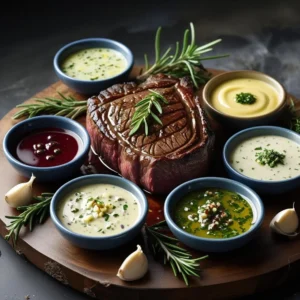
A well-cooked steak doesn’t need sauce, but if you want to add a little extra flavor, try these options:
- Compound butter (herbs and garlic mixed into butter)
- Red wine reduction
- Peppercorn cream sauce
- Classic béarnaise
- Chimichurri
Add simple sides or sauces like garlic butter, herbs or light seasonings to enhance the flavor without overpowering the steak.
Common Mistakes to Avoid
- Skipping the thermometer: It’s your best tool for perfect doneness.
- Cooking cold meat: Always let your steak reach room temperature first.
- Moving the steak too often: Let it sit and form a proper crust.
- Cutting too soon: Always rest before slicing.
- Cooking at low heat: High heat is necessary for browning and flavor.
Final Tips and Reminders
- Use fresh: quality cuts for best results.
- Don’t overcrowd your pan: cook one or two steaks at a time.
- Use high-heat oils for searing.
- Keep it simple: great steak needs only salt, pepper and good technique.
- Practice makes perfect: the more you cook steak, the more natural it becomes.
Conclusion
Mastering steak doneness by temperature is a simple skill anyone can learn with a little practice and the right tools. By using a thermometer, choosing the right cut and following simple prep and cooking steps, you can enjoy steakhouse-quality results at home.
The key is knowing your target temperature, 130°F to 135°F, and pulling the steak off the heat at the right time. Don’t skip the final steps, rest your steak and cut it properly to enjoy every tender, juicy bite.
Whether you’re grilling on a summer evening or pan-searing indoors, mastering medium rare will transform your steak nights into something truly special.