
Table of Contents
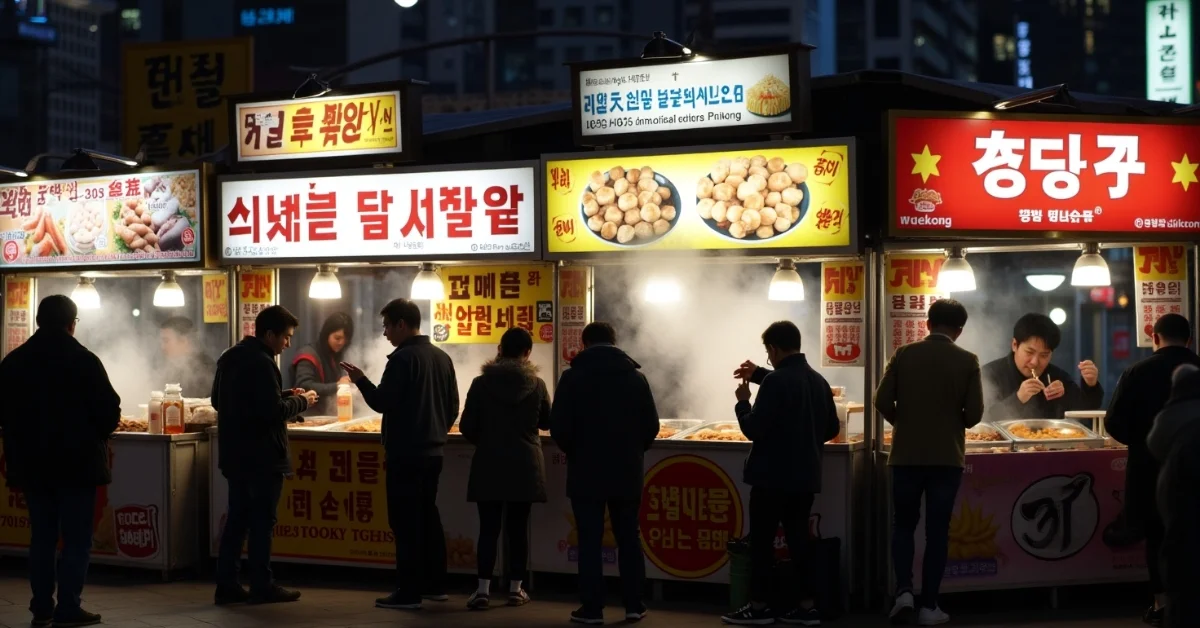
If there’s one thing you shouldn’t miss when visiting South Korea, it’s Seoul’s street food. From sizzling skewers to sweet pancakes, Seoul’s food stalls are full of excitement, flavor, and culture. Whether you’re a tourist exploring the buzzing markets for the first time or a local craving a late-night snack, the experience is equally unforgettable. This guide will take you beyond the tourist lens and into the real heart of Korean food culture, where locals eat, how they enjoy it, and what makes Seoul’s street food scene truly one of a kind.
The vibrant food streets in Seoul aren’t just about eating, they’re about connecting with people, understanding Korean traditions, and immersing oneself in the daily life of the city. Locals often stop by their favorite vendor on the way home or gather around stalls after work to enjoy a quick bite. With options ranging from spicy rice cakes to crunchy fried chicken, there’s something for every taste and budget.
Why Seoul Street Food?
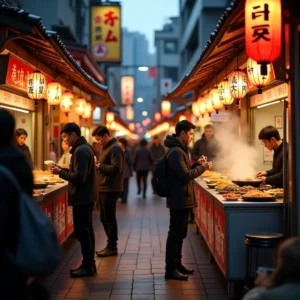
Seoul’s street food isn’t just about convenience; it’s deeply tied to Korean food culture and daily life. Whether it’s students grabbing a snack between classes or office workers enjoying a quick dinner, these food stalls play a vital role in the city’s culinary rhythm. With a wide variety of dishes that reflect Korea’s rich food history, the street food scene offers an affordable way to taste authentic Korean flavors.
One of the best things about Seoul’s street food is its accessibility. You don’t need to spend hours in fancy restaurants. For just a few Korean won, you can enjoy hot, fresh meals served with a smile. The diversity is also impressive. From spicy, savory, and sweet to even bizarre, every bite offers a new experience. It’s this balance of affordability, flavor, and culture that attracts both locals and international travelers. Plus, street food provides a direct connection to local traditions. Many dishes, like Tteokbokki and Hotteok, have been passed down for generations, offering a taste of Korean history with every bite.
Seoul’s street food markets are also social hubs. It’s common to see groups of friends laughing over shared plates or solo diners chatting with friendly vendors. These experiences turn a simple meal into a memorable part of your travel story. In short, Seoul’s street food isn’t just food, it’s a cultural experience worth savoring.
Best Areas to Explore
1. Myeongdong Night Market
Myeongdong is one of the busiest shopping areas in Seoul, and by evening, it transforms into a lively street food paradise. Vendors line the sidewalks, offering everything from freshly grilled meat skewers to creamy cheese-filled corn dogs. One of the must-tries here is Tteokbokki, the iconic spicy rice cake dish, and the Instagram-famous Tornado Potato, a spiral-cut potato on a stick, deep-fried and sprinkled with seasonings.
2. Gwangjang Market
For a more traditional Korean vibe, head to Gwangjang Market. This historic market is famous for authentic Korean dishes served in a buzzing, no-frills setting. It’s the perfect place to try Mayak Gimbap, small, addictive seaweed rice rolls, and Bindaetteok, a crispy mung bean pancake fried to perfection. You’ll often see locals sitting at long counters, enjoying food and conversation over bowls of soup or makgeolli (Korean rice wine).
3. Hongdae Streets
If you’re looking for trendy, creative street food, Hongdae is the place to be. Known for its youthful energy and artistic flair, this neighborhood offers unique twists on Korean classics. Try the fluffy Egg Toast or the wildly popular Korean corn dogs, often topped with sugar or coated in ramen crumbs. The food here is as bold as the fashion and music pouring out of the nearby cafes and clubs.
4. Namdaemun Market
Namdaemun is Seoul’s oldest traditional market, and it’s filled with hidden food gems. This spot is loved by locals who come for a quick, hearty meal. Popular picks include Kalguksu (hand-cut noodle soup) and sweet, sticky Hotteok, especially during the colder months. The market also offers dried goods, pickled vegetables, and plenty of traditional snacks to take home.
Must-Try Korean Street Foods
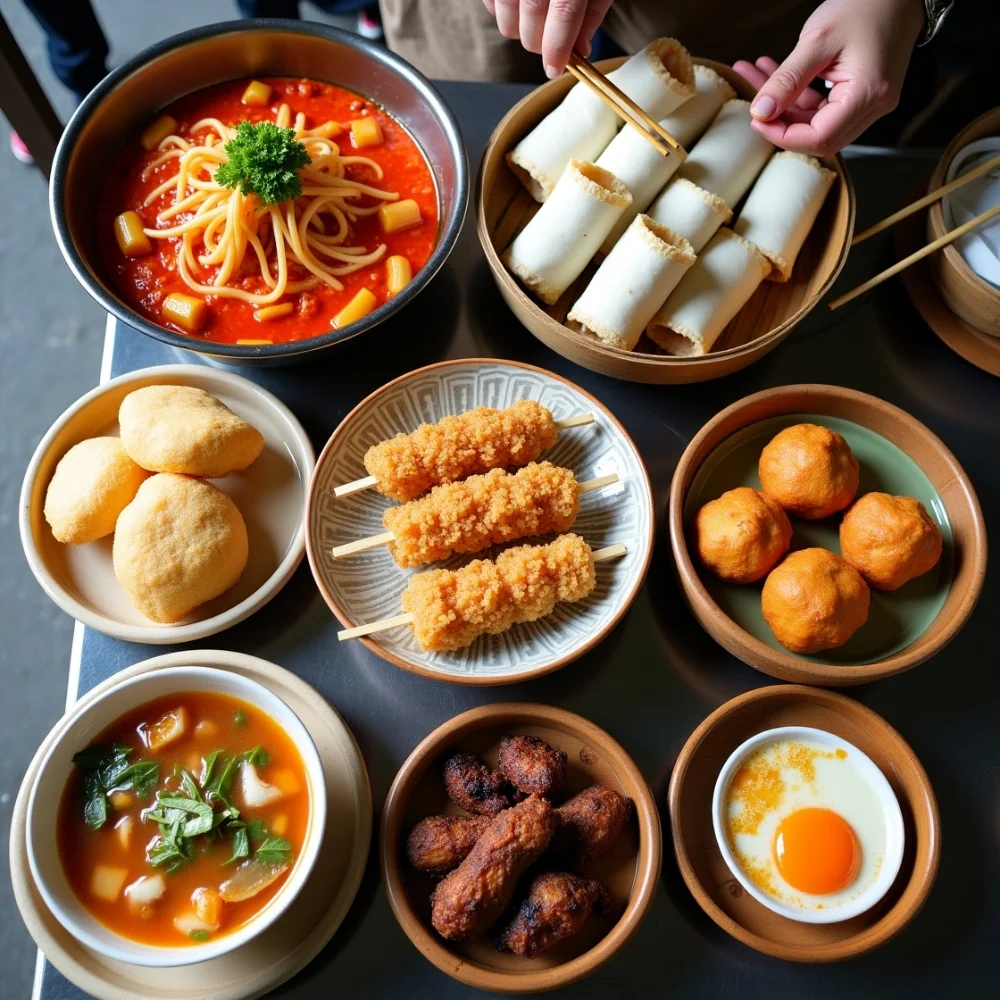
1. Tteokbokki (Spicy Rice Cake)
No visit to Seoul is complete without tasting Tteokbokki. These chewy rice cakes are simmered in a spicy-sweet gochujang sauce that warms you up from the inside. The dish is a favorite among students and locals, often paired with fish cakes and boiled eggs for extra flavor.
2. Gimbap (Korean Sushi Rolls)
Though it looks like Japanese sushi, Gimbap has a unique Korean twist. Filled with vegetables, pickled radish, and sometimes meat or tuna, it’s a perfect snack for when you’re on the move. You’ll find it at markets, convenience stores, and street corners alike.
3. Hotteok (Sweet Pancake)
This golden-brown pancake is filled with melted brown sugar, cinnamon, and nuts. Crispy outside and gooey inside, Hotteok is a winter favorite that warms your hands and heart.
4. Odeng (Fish Cake Skewers)
Odeng, or Eomuk, are soft fish cakes served on skewers and kept warm in savory broth. Vendors will often give you a free cup of the broth, which is great on a chilly day.
5. Korean Fried Chicken
Street-style Korean fried chicken is crunchy, juicy, and comes in flavors like soy garlic, spicy, or even honey butter. Often sold in bite-sized pieces, it’s the perfect finger food while strolling.
6. Egg Bread (Gyeran-ppang)
Think of a soft, muffin-sized bread with a whole egg baked inside. Gyeran-ppang is slightly sweet and buttery, making it a comforting snack in the morning or late at night.
7. Soondae (Blood Sausage)
Not for the faint of heart, Soondae is a Korean blood sausage made with pig’s blood, rice, and noodles. It’s a true local delicacy that gives you a taste of traditional Korean cuisine.
Tips for Eating Like a Local
1. Go Cash Ready
Many street vendors in Seoul still prefer cash, especially smaller stalls. Bring small bills and coins to make transactions smooth and quick. While some areas accept cards or mobile payments, it’s better to be prepared.
2. Eat Standing Up
Don’t expect seating at most food stalls. Locals often enjoy their food standing up or perched on small stools. It’s all part of the fast, casual street food culture in Seoul.
3. Try One at a Time
Portion sizes are often perfect for one or two people, so try a dish, walk a little, and then try something else. This way, you can experience more variety without getting too full too soon.
4. Ask Locals for Recommendations
Koreans are generally friendly and open to helping tourists. If you’re unsure what to try next, don’t hesitate to ask a fellow customer or the vendor for their suggestion.
5. Best Time to Visit Food Streets
The best time to dive into Seoul’s street food scene is during the evening or late night, when the streets come alive with lights, aromas, and people. Most food markets are busiest between 6 PM to 10 PM. Weekends draw bigger crowds, so if you prefer a more relaxed experience, consider visiting on weekdays. Also, avoid the lunchtime rush in business districts, as it can get very busy and fast-paced.
How to Stay Safe and Smart?
1. Hygiene Check
Stick to vendors with clean setups, and long lines and crowds are usually a sign of tasty, fresh food. Watch how food is handled, and if it looks questionable, move on to the next stall.
2. Allergies? Ask First
If you have food allergies, be cautious. Use translation apps like Papago or Google Translate to ask about ingredients. Most vendors are helpful if you show them what you’re allergic to.
3. Stay Hydrated
Spicy food and salty snacks can leave you thirsty. Carry a bottle of water or grab a local drink like barley tea or banana milk to stay refreshed.
Conclusion
Exploring Seoul’s street food like a local is one of the most rewarding ways to connect with Korean culture. It’s more than just eating; it’s tasting history, tradition, and innovation all in one bite. With every dish, from spicy Tteokbokki to sweet Hotteok, you’re getting a slice of life in Seoul. Keep an open mind, trust your taste buds, and let the streets guide your culinary journey. You might start with just one snack, but chances are, you’ll leave with a full heart and an even fuller belly.