
Table of Contents
What Is a Tooth Filling?
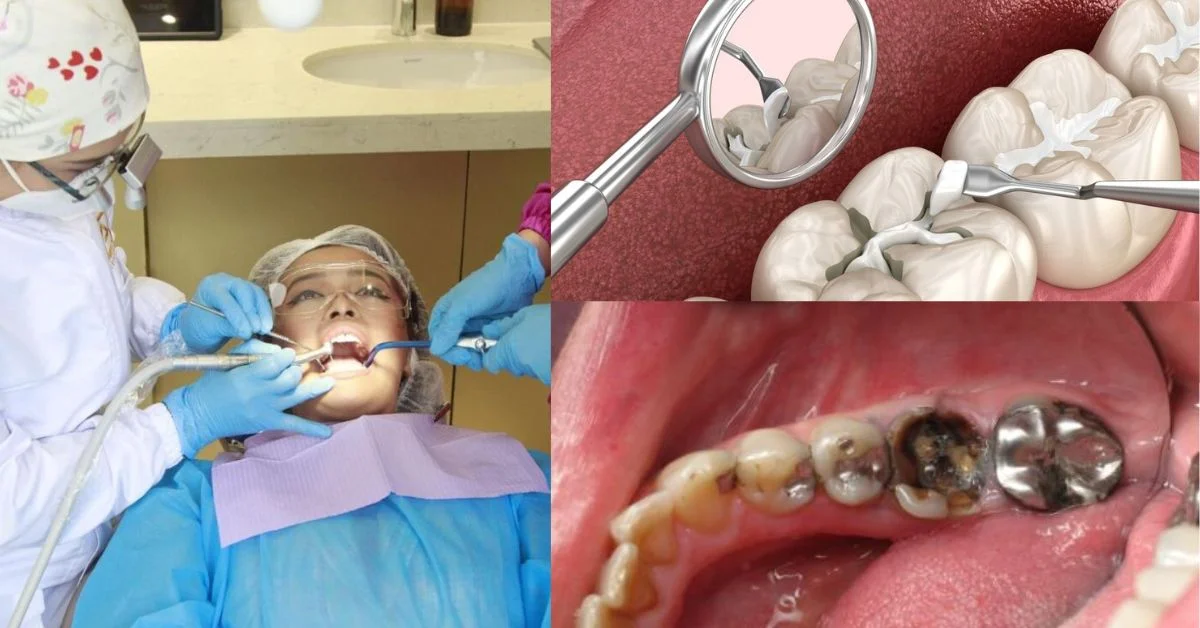
A tooth filling is a type of dental treatment used to restore a tooth that has been damaged by cavities or decay. When bacteria in your mouth eats away at your tooth, it creates a hole. This hole can grow over time, leading to pain or even tooth loss. A filling stops that damage by closing the hole and making your tooth whole again.
Here’s what usually happens:
- The dentist carefully eliminates the decayed part of your tooth.
- They prepare the space to hold the filling
- Then, they add the filling material and shape it to match your natural tooth
- Once it’s set, your tooth can work normally again
Fillings help protect the inner layers of your tooth, stop further decay and bring back your bite and smile.
Signs You Might Need a Filling
Sometimes, you won’t even know you have a cavity until your dentist spots it. But here are a few common signs that might mean you need a filling:
- Toothache or sensitivity when eating hot, cold, or sweet foods
- You might see a dark spot or a visible hole forming on your tooth.
- Pain when biting down
- Rough or chipped spots on your teeth
- Food constantly getting stuck in the same place
If you notice any of these, it’s a good idea to schedule a dental visit right away. The sooner you fix the problem, the easier and cheaper it is.
Do Fillings Hurt?
This is one of the most common questions people ask and thankfully, modern fillings are nearly painless. Thanks to better tools, faster techniques and improved numbing methods, getting a filling today usually feels like a tiny pinch and some light pressure.
Here’s what to expect during the process:
- The dentist will use a small needle to numb the area (you’ll feel a quick sting)
- After that, the area goes numb so you won’t feel pain, just pressure
- Once the filling is in, you might feel mild sensitivity for a day or two
- For most people, there’s no major pain afterward
If you’re still nervous, ask your dentist about comfort options like numbing gel or laughing gas.
Types of Teeth Fillings in 2025

There are several types of materials dentists can use for fillings. Each one has pros and cons, depending on where the cavity is and how much you want to spend.
1. Composite (Tooth-Colored) Fillings
- Made from a mix of plastic and glass
- It matches the color of your natural teeth.
- Great for front teeth or visible areas
- Durable but may wear down quicker than others
Best for: A natural look, front teeth, and small to medium cavities
2. Amalgam (Silver) Fillings
- Made from a mix of silver, mercury, and other metals
- Very strong and long-lasting (can last 10–15 years)
- Cheaper than composite, but more visible
- Less commonly used today due to appearance and mercury content
Best for: Back teeth where strength matters more than looks
3. Ceramic (Porcelain) Fillings
- Made of porcelain, highly resistant to stains
- Looks natural and lasts a long time
- Often used for larger fillings or inlays/onlays
- More expensive, usually needs to be made in a lab
Best for: Large cavities or people who want the best appearance
4. Gold Fillings
- Durable and long-lasting (15–30 years!)
- Doesn’t corrode or break easily
- Very noticeable due to color
- Among the most expensive
Best for: People who want premium durability and don’t mind the color
5. Glass Ionomer Fillings
- Made from acrylic and a special glass
- Releases fluoride to help protect teeth
- Not as strong or long-lasting as other options
- Often used for kids or temporary fillings
Best for: Use it mainly for baby teeth, temporary fixes or areas that don’t handle biting pressure.
How Much Do Fillings Cost in 2025?
The price of a tooth filling can vary depending on:
- The material used
- The size and location of the cavity
- Where you live
- Whether you have insurance
Here’s a quick look at average filling costs in 2025 (without insurance):
|
Filling Type |
Cost Range (USD) |
| Composite | $150–$300 |
| Amalgam | $100–$200 |
| Ceramic | $500–$1,500 |
| Gold | $600–$2,000 |
| Glass Ionomer | $100–$250 |
What Happens After a Filling?
After you get your filling:
- Your mouth may feel numb for a few hours
- Chew on the opposite side of your mouth until the numbness goes away.
- Expect mild sensitivity to hot, cold, or pressure for a few days after the procedure.
- Call your dentist immediately if the pain worsens or lasts longer than a week.
Most fillings are good to go immediately and you can return to work or school the same day.
How Long Do Fillings Last?
Fillings don’t last forever, but with proper care, they can stay in place for many years:
- Composite: 5–10 years
- Amalgam: 10–15 years
- Ceramic: 10–20 years
- Gold: Up to 30 years
- Glass Ionomer: 3–5 years
Maintain your fillings longer by brushing, flossing, and visiting your dentist regularly.
How to Take Care of Your Fillings?
Keep your fillings in great shape by properly caring for your teeth. Here’s how:
- Brush twice a day with fluoride toothpaste
- Floss once a day to clean between teeth
- Avoid hard or sticky foods that can crack or loosen the filling
- Protect your fillings by taking good care of your teeth.
If a filling ever feels loose, cracks or falls out, don’t wait. Call your dentist right away.
Fillings vs. Other Treatments
Many people question whether getting a filling is the right choice. Here’s how it compares:
- Filling vs. Crown: Fillings fix small damage. Dentists use crowns when a tooth has significant damage and requires full coverage.
- Filling vs. Root Canal: A filling treats surface decay. A root canal is for deeper infection near the tooth’s nerve.
- Filling vs. Extraction: A filling saves your tooth. Extraction removes it, often needing a replacement like an implant or bridge.
In most cases, a filling is the first and simplest step to stop decay and save your natural tooth.
Final Thoughts
Fillings are one of the most common and effective dental treatments out there. Thanks to new materials and tools, they are faster, safer, and more comfortable than ever in 2025. If you have a small cavity or want to stop decay from spreading, a filling helps protect your smile.
Remember the earlier you catch the problem, the easier it is to fix. Keep brushing, flossing, and visiting your dentist regularly and if you feel something off, don’t wait.