
Table of Contents
- What Is the Ring of Fire?
- It’s Not Always Burning or Erupting
- Earthquakes Happen Everywhere, Not Just in the Ring
- Volcanic Activity Is Not Always Dangerous
- The Ring of Fire Is Not a Single Volcano Chain
- It’s Not Just About Volcanoes
- Not All Countries in the Ring Are Equally Affected
- The Ring of Fire Doesn’t Move
- The Name Is Not Scientific
- The Ring of Fire Is Not New
- Human Activity Doesn’t Cause Ring of Fire Eruptions
- Ring of Fire: Myths and Disaster Predictions
- The Role of Technology in Understanding the Ring
- FAQ
- 1. What is the biggest myth about the Ring of Fire?
- 2. Is it true that the Ring of Fire is one long volcano?
- 3. Are all countries in the Ring of Fire equally at risk?
- 4. Can human activity cause earthquakes in the Ring of Fire?
- 5. Does the Ring of Fire move over time?
- 6. Is the Ring of Fire dangerous only because of volcanoes?
- 7. Can scientists predict Ring of Fire disasters accurately?
- Conclusion
The Ring of Fire is one of the most seismically active regions on Earth. It stretches in a massive horseshoe shape across the Pacific Ocean, covering multiple countries including the United States, Chile, Japan, and Indonesia. Many people think they understand what it is and how it works, but often, their beliefs are based on myths or half-truths.
This region is marked by the meeting points of several tectonic plates that are constantly shifting. The movement of these plates creates intense pressure underground, leading to frequent earthquakes and volcanic eruptions. Despite modern research, many Ring of Fire myths continue to overshadow the science behind this powerful natural zone.
What Is the Ring of Fire?
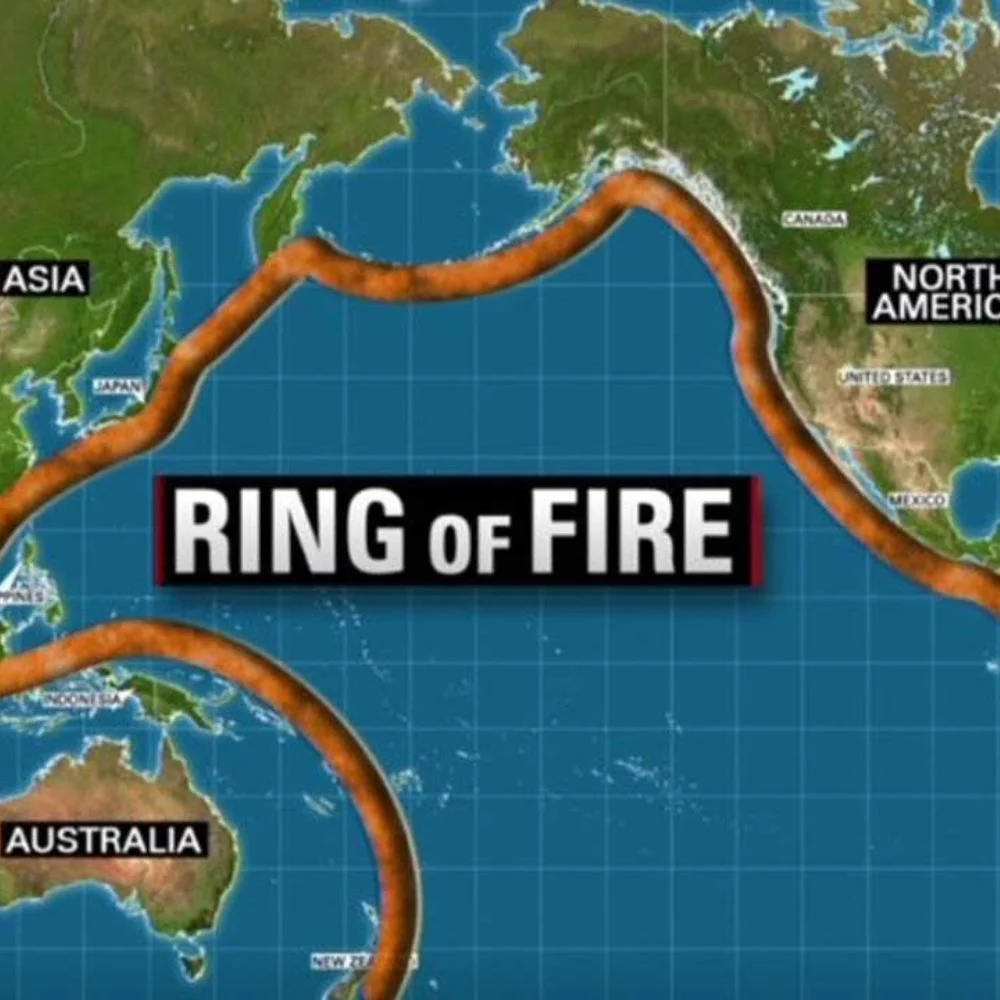
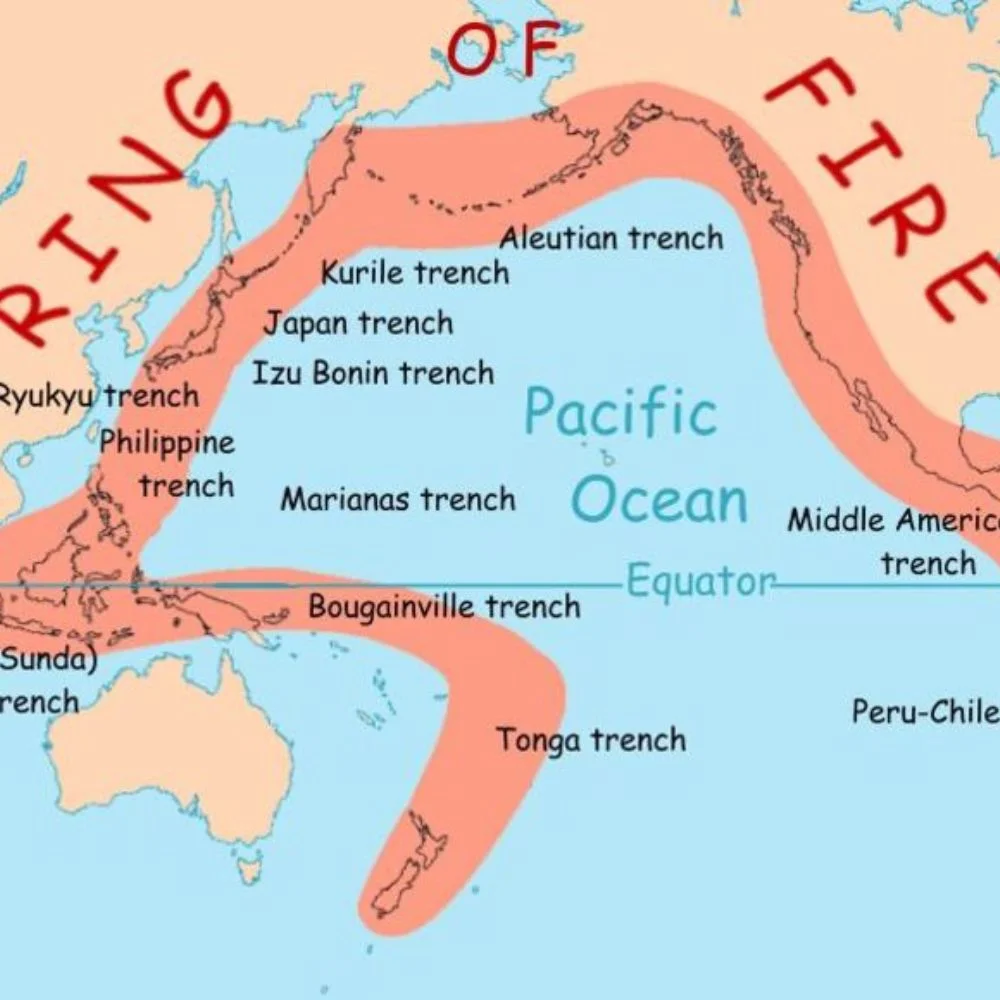
The Ring of Fire is not a literal ring of fire. It’s a path along the Pacific Ocean that is home to about 75% of the world’s volcanoes and 90% of the world’s earthquakes. It forms a rough circle, or more accurately, a horseshoe shape, around the edge of the Pacific Plate.
This region includes many of the world’s major subduction zones, where tectonic plates collide and one slides under another. That process causes most of the volcanic and earthquake activity.
It’s Not Always Burning or Erupting
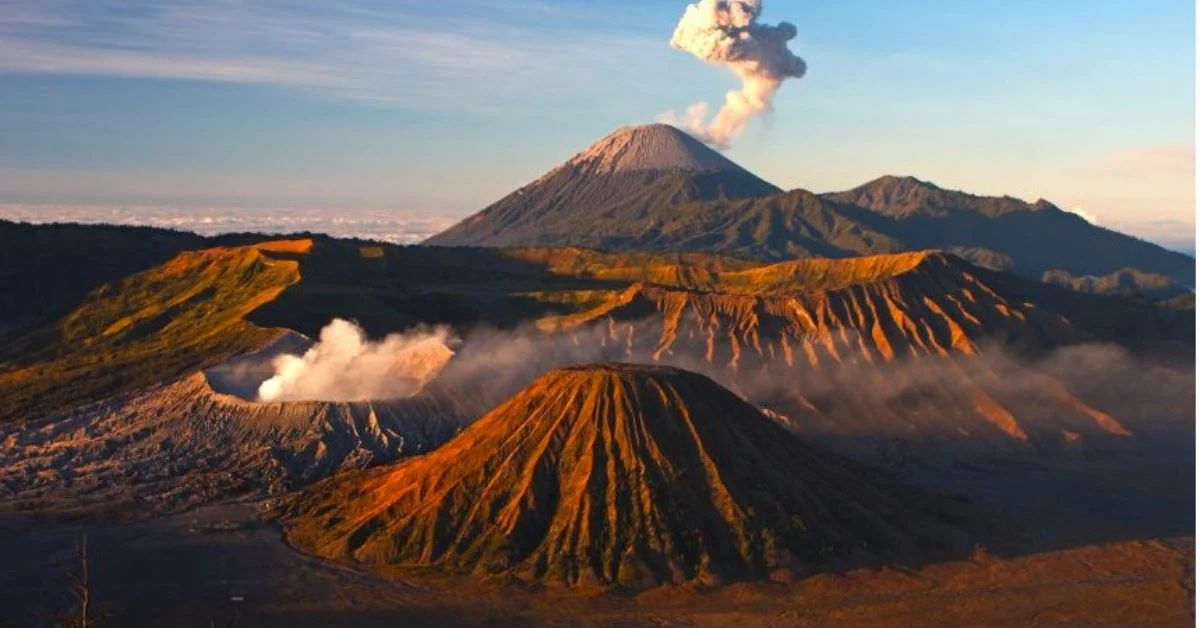
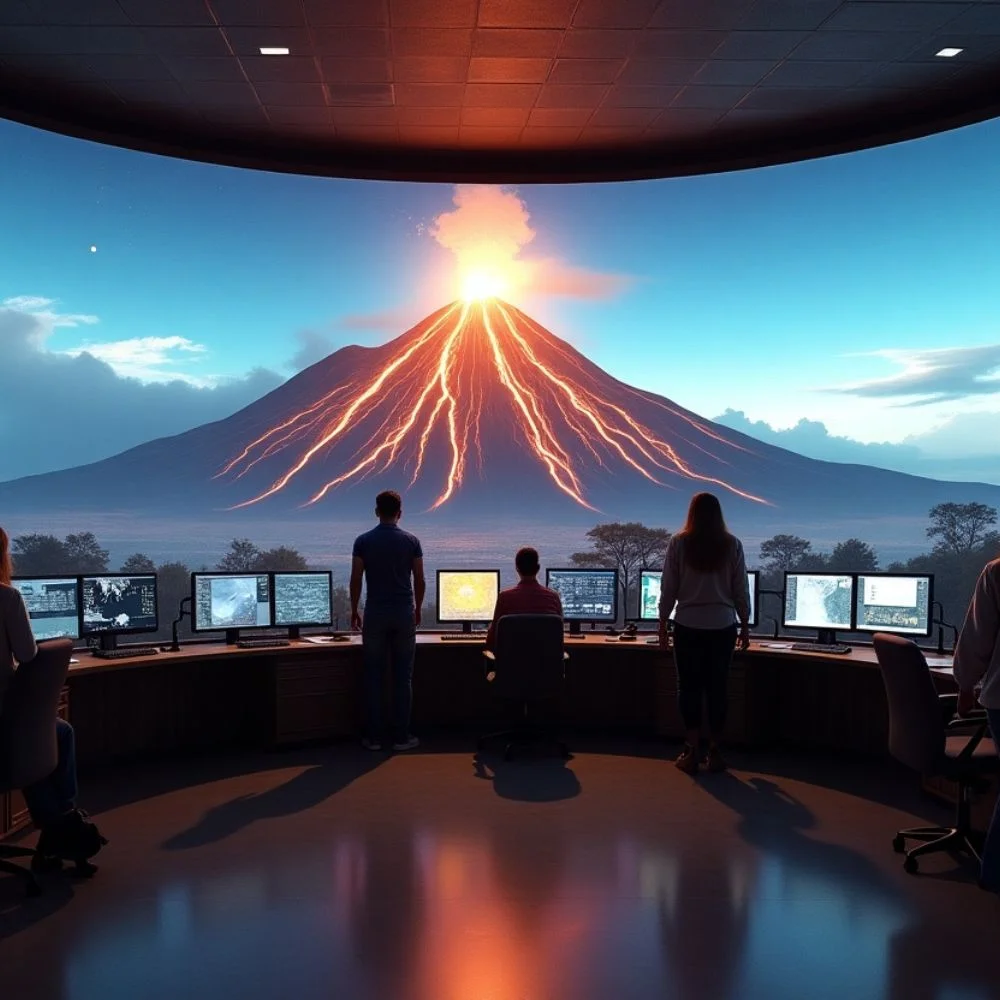
One of the biggest Ring of Fire myths is that the entire area is always full of lava, smoke, or eruptions. This is simply not true. While it does have many active volcanoes, most of them are not erupting all the time. Some have been quiet for centuries.
Volcanoes in the Ring of Fire are monitored closely. Scientists can usually predict when a volcano might erupt based on gas emissions, ground movement, and heat signals. So, it’s not a zone in constant chaos, but a region that needs constant observation.
Earthquakes Happen Everywhere, Not Just in the Ring
Another common misunderstanding is that earthquakes only happen in the Ring of Fire. Yes, the region does have many earthquakes, but tremors can also happen far from it. Places like Europe, Africa, and even parts of central Asia also experience seismic activity due to other tectonic processes.
The key difference is the frequency and intensity. Earthquakes around the Ring of Fire happen more often and are generally more powerful because of the active plate boundaries present there.
 Volcanic Activity Is Not Always Dangerous
When people hear the word “volcano,” they usually imagine disaster. Lava flows, ash clouds, and destroyed towns come to mind. While these things can happen, not all volcanic activity in the Ring of Fire is life-threatening.
Some eruptions are minor and don’t cause damage. Some volcanoes release gases or lava slowly, and others might simply rumble without any eruption. The myth that all volcanoes in this zone are deadly is incorrect. Modern science helps in early warning and evacuation, reducing the risk to life.
The Ring of Fire Is Not a Single Volcano Chain
A lot of people think the Ring of Fire is one long, connected line of volcanoes. That’s not true. The Ring of Fire is made up of many different volcanic systems and earthquake zones. These are not connected underground by a single magma flow.
Each volcano has its own unique structure and activity cycle. The geological features are linked by the movement of tectonic plates, not by a shared lava source. This myth comes from how the ring looks on the map like a chain, but it’s not that simple in reality.
It’s Not Just About Volcanoes
When people talk about Ring of Fire myths, they often assume the zone is only dangerous because of volcanic eruptions. This narrow view overlooks other serious natural events linked to this region. While it’s true that the Ring of Fire holds around 75% of the world’s volcanoes, volcanic activity is only one part of the bigger picture.
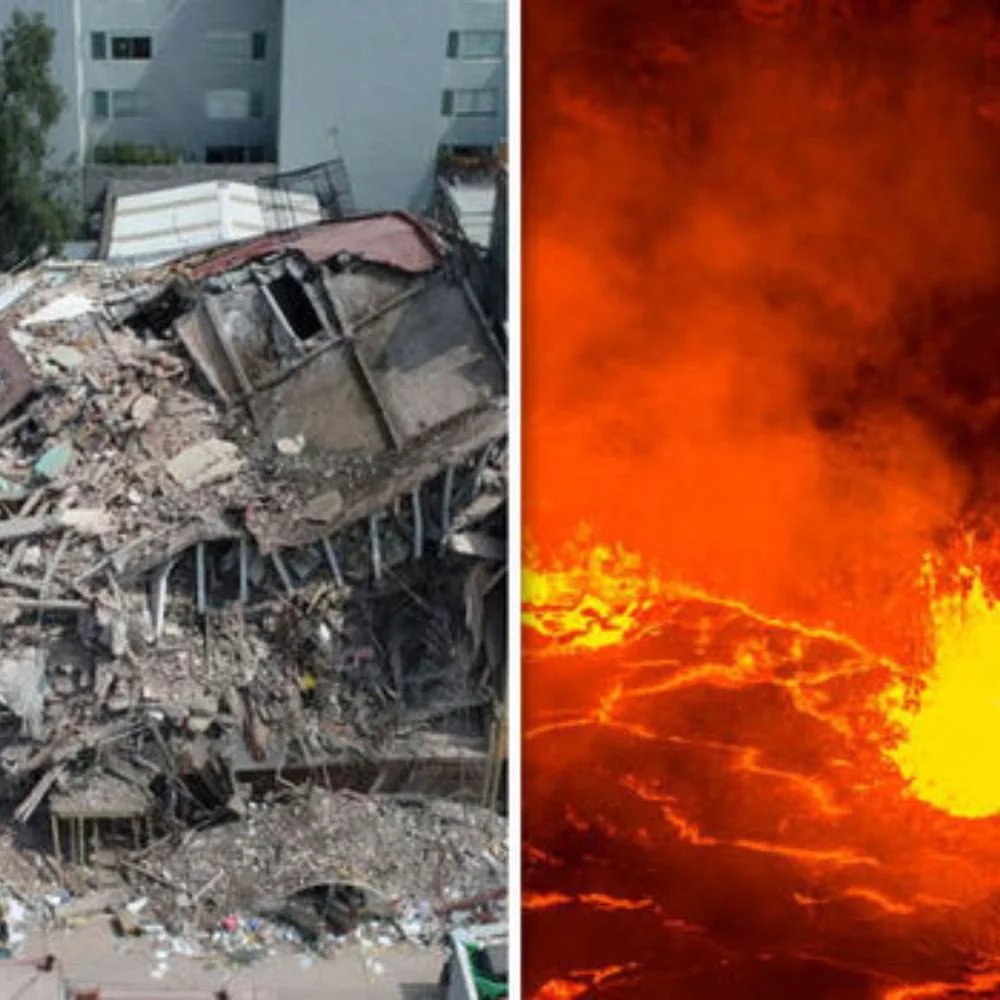
The Ring of Fire is also home to intense seismic activity. Earthquakes are more common than volcanic eruptions in this region. The reason is the constant interaction of tectonic plates under the Pacific Ocean. These massive plates are always shifting, rubbing, and sometimes crashing into each other. When the pressure builds up and suddenly releases, it causes an earthquake. Some of the world’s most powerful quakes, like those in Chile, Japan, and Alaska, have happened along this ring.
 Not All Countries in the Ring Are Equally Affected
It’s a myth that every country in the Ring of Fire faces the same level of risk. Some regions are more active than others. For example, Japan and Indonesia have frequent volcanic eruptions and earthquakes, while places like Alaska experience more quiet periods in between events.
Preparedness also varies. Japan has advanced systems for detecting and managing seismic activity, while other countries may lack the same level of infrastructure. The level of danger isn’t the same everywhere along the Ring.
The Ring of Fire Doesn’t Move
Some people think the Ring of Fire shifts location over time. This is another false belief. The Ring of Fire is defined by the tectonic plates that form the boundary around the Pacific Ocean. These plates do move, but the general shape and location of the Ring stay the same.
What changes are the specific hot spots of activity? Sometimes, more earthquakes might happen in Chile, and then later, more activity in Japan. But the whole Ring doesn’t drift like a balloon. It stays fixed, based on the Earth’s crust structure.
 The Name Is Not Scientific
Many think “Ring of Fire” is a formal geological term. It’s not. It’s more of a nickname given to the region because of its shape and the fiery activity (volcanoes) along its edges. Scientists refer to the area based on tectonic plate names and geological zones.
Still, the term is widely used and accepted, even in academic writing, because it paints a clear picture. But it’s important to know that the term itself is not a technical classification.
The Ring of Fire Is Not New
Sometimes, media reports make it sound like the Ring of Fire is a recent discovery or a newly active zone. That’s false. The region has existed for millions of years. Ancient cultures that lived along the Pacific Rim were aware of its power long before modern science.
It’s only now, with better tools and knowledge, that we can understand it more clearly. But earthquakes and volcanoes in this zone have shaped Earth’s surface for ages. Saying it’s “newly active” is misleading.
Human Activity Doesn’t Cause Ring of Fire Eruptions
There’s a growing myth that human actions like mining or drilling can trigger volcanoes or earthquakes in the Ring of Fire. While human activity can sometimes cause minor tremors (called induced seismicity), large natural events in the Ring of Fire are caused by deep Earth processes.
Tectonic movement is driven by forces far beneath Earth’s crust. Humans don’t have the power to control or stop these forces. Believing we are causing volcanic eruptions in this area is not backed by science.
Key Takeaways on Ring of Fire Myths
- The Ring of Fire myths have spread due to movies, news, and a lack of awareness.
- The zone is active, but not in a state of non-stop destruction.
- It involves both earthquakes and volcanoes, not just one or the other.
- Risk levels differ by location and infrastructure.
- Scientific knowledge helps reduce fear and increase preparedness.
Ring of Fire: Myths and Disaster Predictions
Many social media posts and amateur websites claim they can predict massive earthquakes or volcanic eruptions in the Ring of Fire. These predictions are usually wrong and are not based on real science.
Scientists use data to give short-term warnings, but long-term predictions are very hard. Any source claiming to know exactly when and where a massive disaster will strike the Ring of Fire is likely spreading a myth.
 The Role of Technology in Understanding the Ring
Modern science plays a huge role in changing how we understand the Ring of Fire today. In the past, many Ring of Fire myths grew from fear, confusion, or lack of information. But today, advanced technology helps scientists study, monitor, and even predict certain geological events within this highly active zone.
Tools That Track Ring of Fire Activity
Several modern tools give scientists real-time data about what’s happening beneath the Earth’s surface:
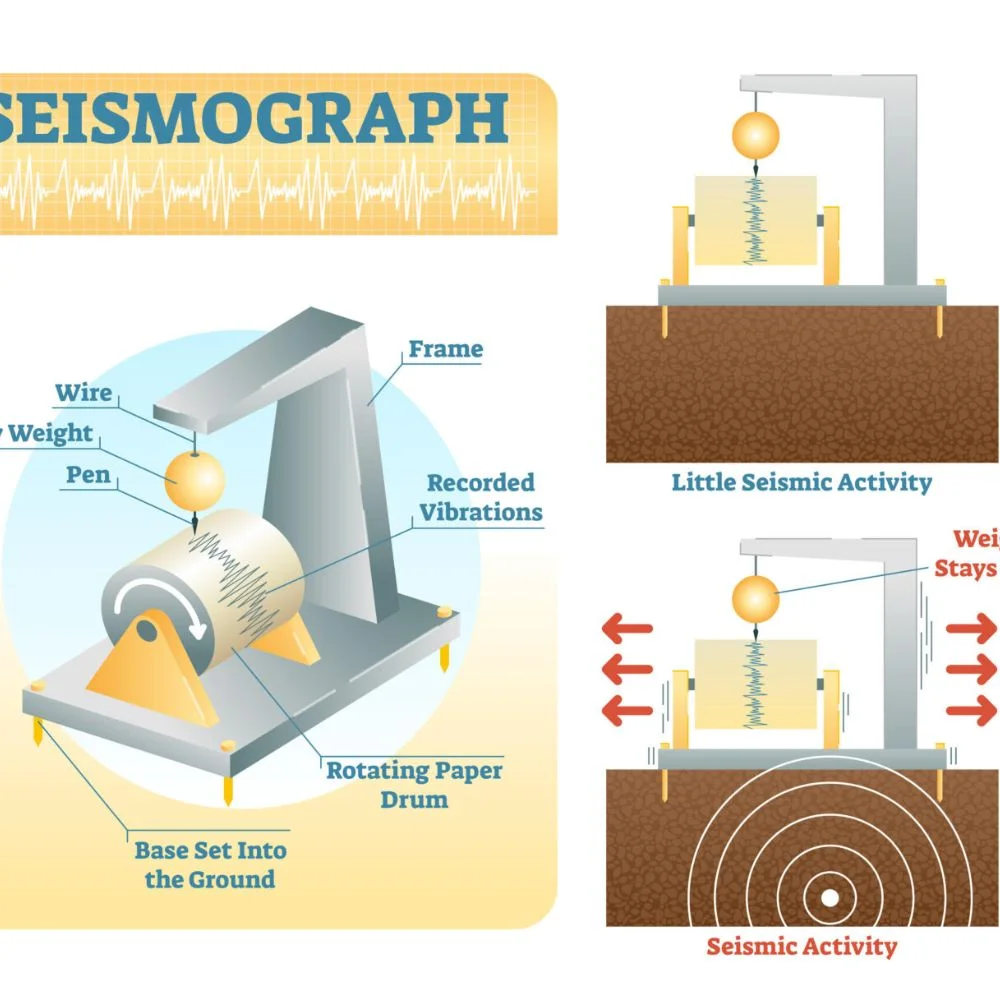
- Seismographs record the shaking of the ground. These machines help detect earthquakes—both large and smalllong before people feel them.
- Satellites monitor changes in Earth’s surface temperature and shape. Some volcanoes swell before they erupt, and satellites can pick up these tiny movements from space.
- GPS stations on land track even the slightest shifts in the Earth’s crust. Tectonic plates move slowly, but over time, their movement builds pressure. GPS data helps spot where stress is building, especially around subduction zones.
- Thermal cameras and gas sensors are used around volcanoes to detect heat and gases like sulfur dioxide, which can be signs of an upcoming eruption.
 FAQ
FAQ
1. What is the biggest myth about the Ring of Fire?
One of the biggest Ring of Fire myths is that the entire region is always experiencing volcanic eruptions and earthquakes. In truth, activity varies by location and timing, and most volcanoes are dormant for long periods.
2. Is it true that the Ring of Fire is one long volcano?
No, that’s a myth. The Ring of Fire is not a single volcano chain but a collection of many different volcanoes and fault lines around the Pacific Ocean’s edge. They are not all connected underground.
3. Are all countries in the Ring of Fire equally at risk?
No. Risk levels depend on local tectonic settings, preparedness, and the availability of infrastructure. Some areas, like Japan or Indonesia, face frequent activity, while others see fewer events over time.
4. Can human activity cause earthquakes in the Ring of Fire?
Humans cause no major seismic events in the Ring of Fire. While small, local tremors can result from mining or drilling, large quakes and eruptions are due to deep tectonic movements beyond human control.
5. Does the Ring of Fire move over time?
The Ring of Fire’s overall shape and location do not change, though the tectonic plates involved do shift gradually. Some areas may become more or less active, but the zone itself stays geographically consistent.
6. Is the Ring of Fire dangerous only because of volcanoes?
That’s another common myth. The Ring of Fire also produces many of the world’s strongest earthquakes and tsunamis, making it dangerous for multiple reasons, not just volcanic eruptions.
7. Can scientists predict Ring of Fire disasters accurately?
Scientists can detect warning signs before some events, like volcanic eruptions, but predicting exact times and places for earthquakes is still not possible. Claims of exact predictions are part of Ring of Fire myths and should not be trusted.
Conclusion
The Ring of Fire is one of Earth’s most dynamic and influential natural systems. Its power lies in the constant interaction of tectonic plates, giving rise to thousands of earthquakes and hundreds of volcanoes over millions of years. While this activity has shaped continents and formed islands, it has also fueled widespread misunderstanding. Many Ring of Fire myths continue to circulate in public discussions, media, and even classrooms, leading to confusion, fear, and in some cases, misinformation during real emergencies. Understanding the science behind the Ring of Fire is not just about knowing where earthquakes or eruptions may happen. When people are informed, they respond more calmly during natural events, follow safety plans, and trust reliable sources instead of panic-inducing myths.