Table of Contents
A reflexology chart maps specific pressure points on your feet, hands, and ears to organs and systems within your body. Reflexologists use this chart to stimulate these zones and trigger natural healing responses. When you apply gentle pressure to the right area, you promote relaxation, reduce tension, and support overall well-being.
What Is a Reflexology Chart?
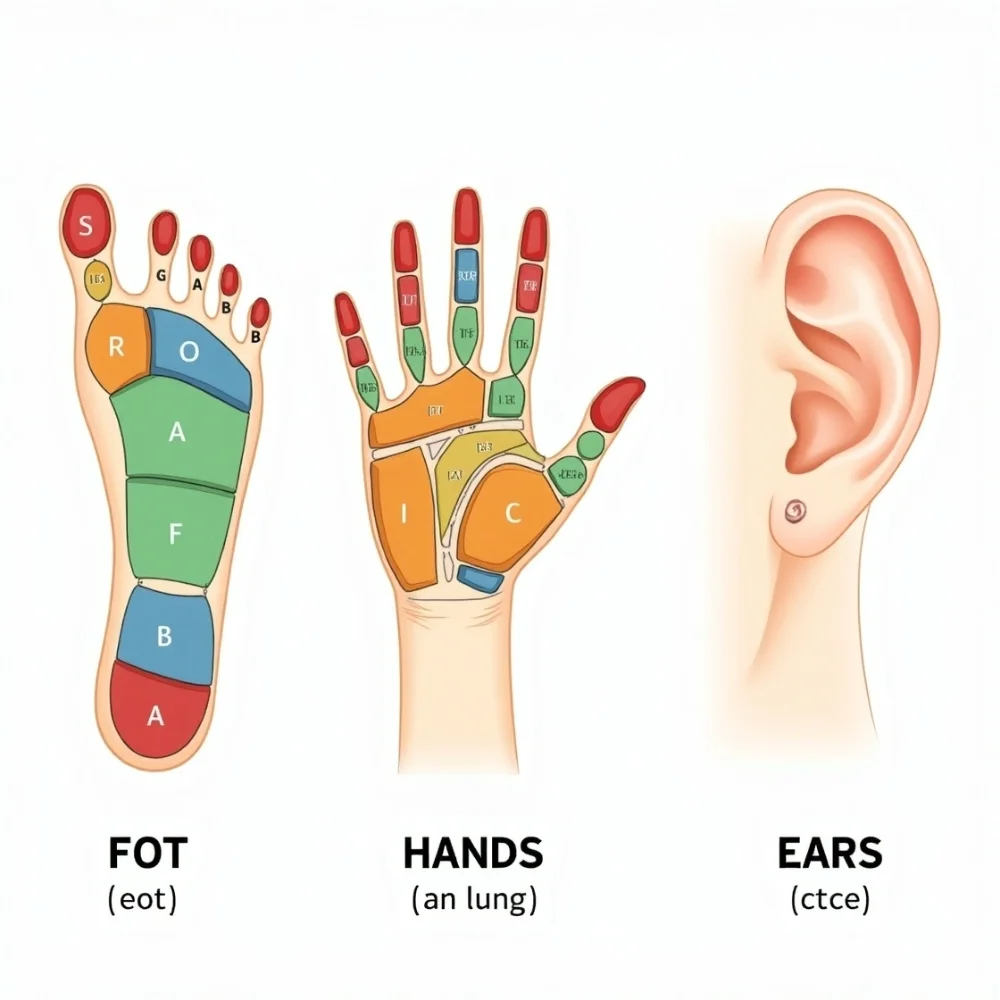
A reflexology chart works like a body map. It shows how zones on your feet, hands, and ears correspond with internal organs such as your liver, lungs, kidneys, and brain. Reflexologists follow these visual guides to locate pressure points that relate to specific health concerns. These charts simplify complex systems into easy-to-understand zones.
For example:
- Your toes reflect your head and neck.
- The ball of your foot represents your chest and heart.
- The arch links to your digestive organs.
Practitioners rely on these charts to direct their massage techniques. When used correctly, the chart helps bring balance to the body and mind.
How Do Reflexology Charts Work?
Reflexologists believe that your body connects through a network of energy pathways. They apply pressure to reflex zones to clear blockages and restore natural energy flow. They don’t guess that reflexology charts guide every movement.
These charts divide the foot, hand, or ear into regions. Each region matches a specific organ or system. By targeting these regions, reflexologists send signals through the nervous system and encourage the body to relax, heal, and function better.
Types of Reflexology Charts
You can use different charts depending on your needs. Let’s break them down:
1. Foot Reflexology Chart
Foot charts are the most common. They divide the foot into vertical zones from toe to heel. For example:
- The heel connects to the lower back and pelvic region.
- The ball of the foot links to the heart and lungs.
- The toes match the head, eyes, ears, and sinuses.
2. Hand Reflexology Chart
Hand charts show reflex points on both the palm and the back of the hand. Reflexologists use them when foot reflexology isn’t possible. Pressure on the thumb may affect the brain, while stimulation of the palm can help digestion.
3. Ear Reflexology Chart
Ear reflexology charts are smaller but powerful. Each ear contains over 100 pressure points. Reflexologists often use ear charts to ease stress, improve sleep, and help with pain relief.
Key Pressure Points and Their Benefits
Let’s look at some key reflex zones and how they help:
- Toes (Brain and Sinuses): Ease headaches and clear nasal congestion.
- Ball of the Foot (Lungs and Heart): Support breathing and cardiovascular health.
- Arch (Stomach and Liver): Improve digestion and detoxification.
- Heel (Lower Back and Sciatic Nerve): Relieve back pain and boost mobility.
- Thumb (Brain and Head): Calm anxiety and sharpen focus.
By pressing on these zones, you give your body the cue to relax and heal naturally.
How Reflexology Supports Emotional Well-Being?
Reflexology not only targets physical pain it also plays a powerful role in improving emotional well-being. When you stimulate specific reflex points, especially those linked to the brain, spine, adrenal glands, and solar plexus, you send calming signals through the nervous system. These signals help your body release tension, reduce cortisol (the stress hormone), and restore balance.
Many people turn to reflexology to manage anxiety, emotional burnout, irritability, or even mild depression. By focusing on calming points such as the center of the foot (solar plexus point) or the tips of the toes (brain and head), you create a sense of safety and relaxation in the body. This relaxation makes it easier for your mind to let go of racing thoughts, emotional overwhelm, and built-up stress.
By integrating reflexology into your wellness routine, you support both body and mind, helping yourself feel more emotionally balanced and in control.
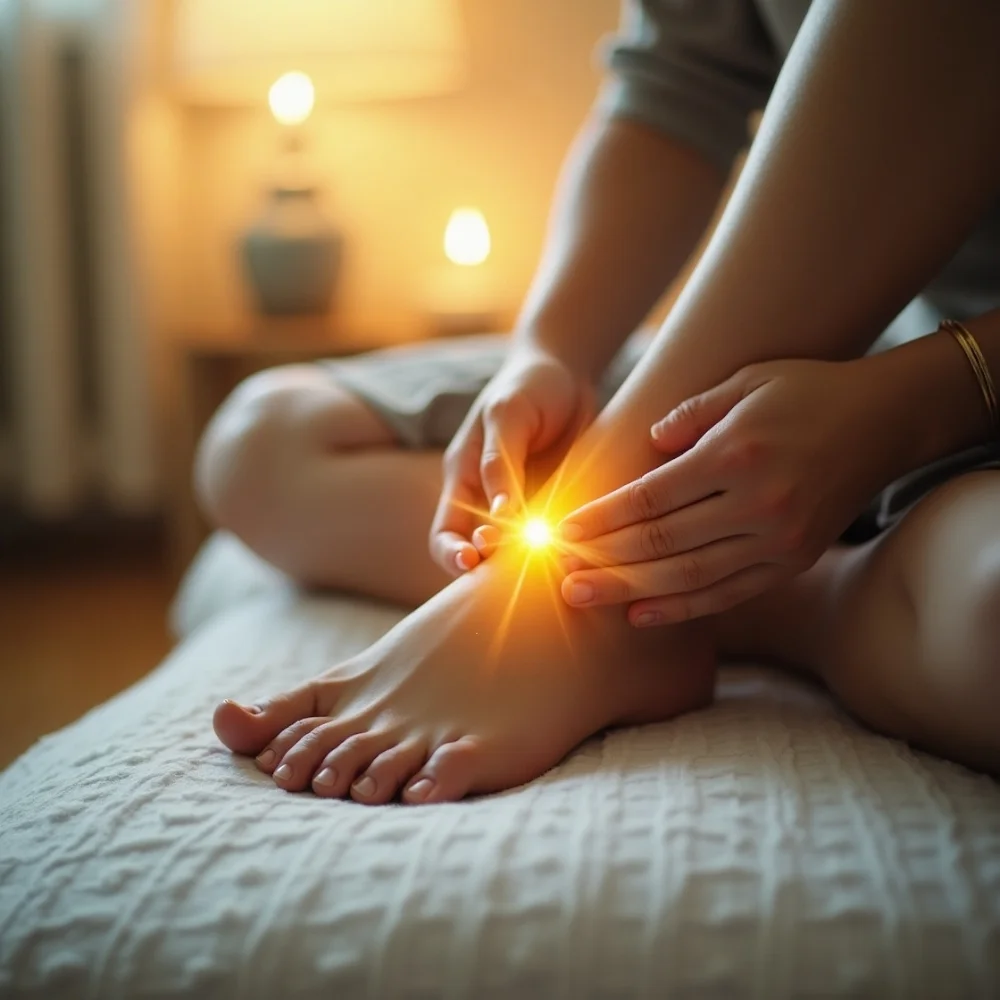
How to Use a Reflexology Chart at Home?
You don’t need to be a professional to benefit from reflexology. Follow these simple steps to try it yourself:
- Choose the right chart: Start with a clear foot or hand reflexology chart.
- Identify your issue: If you have stress, find the adrenal gland point.
- Apply pressure: Use your thumb or a small tool to apply steady, firm pressure.
- Massage in circles: Rotate in small circles for 30 seconds to 1 minute.
- Repeat regularly: Make it part of your weekly self-care routine.
Stay relaxed and hydrated before and after a session. You’ll likely feel lighter, calmer, and more balanced.
When to See a Reflexology Professional?
You can enjoy reflexology at home, but sometimes you need expert care. Book a professional session when:
- You deal with chronic pain or illness.
- You need deep relaxation or recovery support.
- You want a full-body treatment using advanced techniques.
Certified reflexologists train to read your body and customize treatments safely and effectively.
Is Reflexology Backed by Science?
Reflexology doesn’t replace medical treatment, but studies show it can:
- Lower stress and anxiety
- Improve circulation
- Help manage pain
- Support better sleep
Some hospitals even offer reflexology as part of complementary therapy programs. While researchers continue to study how it works, many people report real results from regular sessions.
FAQs
1. What does a reflexology chart do?
It shows which parts of your foot, hand, or ear match with specific organs and systems in your body.
2. Can I use a reflexology chart by myself?
Yes. You can follow the chart to locate pressure points and apply gentle pressure at home.
3. Is reflexology safe?
For most people, yes. Avoid it if you’re pregnant, have blood clots, infections, or serious health concerns without consulting your doctor.
4. How long should a session last?
A self-care session can last 10–30 minutes. A professional session usually takes about an hour.
5. Does reflexology cure disease?
No. It doesn’t cure, but it can support overall wellness by reducing stress and promoting balance.
Conclusion
A reflexology chart offers a simple yet powerful way to connect with your body. By using it, you can ease pain, lower stress, and support healing one pressure point at a time. Whether you use it for daily care or deeper relief, reflexology helps you take charge of your well-being naturally.