
Table of Contents
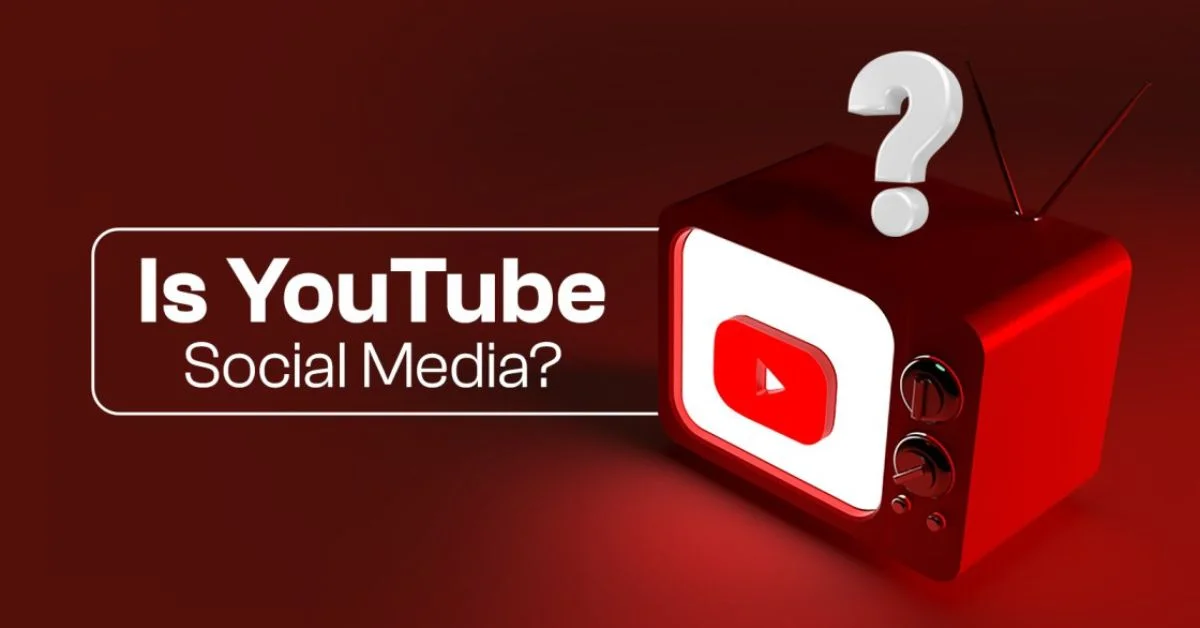
YouTube started in 2005 as a video-sharing site. Over time, it has grown into much more, it now combines features of a search engine, media library and social networking platform. Can YouTube truly be considered a social media platform?
What Makes Something Social Media?
A few key features clearly define what makes a platform social media.
- User-generated content
- Interaction and engagement (likes, comments, shares)
- Community building (followers, groups, networks)
- Personal profiles and content personalization
- Viral sharing and discovery of content
To qualify as social media, a platform should offer most of these features
YouTube: A Dual Personality
1. A Major Search Engine
YouTube is often described as the world’s second-largest search engine. Every day, people search for tutorials, music, reviews, TV shows and more. YouTube leverages a powerful algorithm that suggests videos based on viewing habits and search terms. That part feels very much like Google but for videos.
2. A Social Media Platform
At the same time, YouTube has robust social features:
- Interactivity: Likes, comments and shares. Viewers can engage through votes and discussions .
- Subscriptions: Users follow creators and get notified of new videos .
- Community Posts: Creators with enough subscribers can share polls, photos, and updates in a post tab
- Live streams: Live streams let creators interact with viewers instantly through chats or live Q&A sessions.
- Creator and influencer networks: Some channels have huge followings, communities, and even monetization deals
3. Algorithmic personalization
One of YouTube’s strongest social traits is its powerful recommendation system. The algorithm doesn’t just suggest videos based on past views, it actually influences the kind of content users engage with, creators they follow and communities they end up joining. This personalization often leads users down specific content “rabbit holes,” which keeps them watching and interacting for hours.
4. Creator monetization
Another aspect that adds to YouTube’s role as a social media platform is its monetization system. Through AdSense, Super Chats, channel memberships, and brand deals, creators are rewarded for growing an engaged audience. This financial incentive pushes creators to interact more with their viewers replying to comments, posting updates and encouraging subscriptions.
How YouTube Checks the Social Media Boxes?
YouTube’s features to the social media criteria.
| Social Feature | YouTube Example |
| User‑generated content | Anyone can upload free videos, tutorials, vlogs, music, news and more |
| Personal profiles | Users have channels, avatars, bios, and subscriber counts |
| Interaction & engagement | Like/dislike, comment threads, pinned comments, community polls |
| Community building | Subscriptions, community posts, live chat, creators form recurring audiences |
| Content discovery | Viral potential, sharing links, embedding, recommendations, Shorts |
| Personalization | Recommendations based on watch history, subscriptions |
| Advertising & monetization | Ad placement, brand deals, revenue sharing |
YouTube clearly meets all criteria. It blends search power and social interaction in one platform.
Why This Blend Matters for SEO and Strategy?
Understanding YouTube’s hybrid nature helps creators and marketers:
1. Optimize for search AND engagement
- Use keywords in titles, tags, descriptions for SEO
- Write engaging thumbnails, encourage comments and likes
2. Build a community over time
- Reply to comments, host live question-and-answer sessions, and share updates through the community tab.
- Foster loyal subscribers rather than just one-off viewers
3. Expand through multiple formats
- Mix long-form content with Shorts and live video
- This boosts discoverability and engagement
SEO campaigns must treat YouTube not just as a hosting site but as a living network of viewers.
Recent Changes and Growth
YouTube isn’t standing still. In 2025:
- Community Posts (formerly known as channel “discussions”) expanded to creators with fewer subscribers
- Shorts continue to grow as competitors like TikTok add pressure. Shorts offer quick, shareable social bursts .
- By January 2024, 2.7 billion people used YouTube monthly, making it the platform with the second highest active users.
- These updates strengthen its social credentials.
Government and Parental Debate
Australia considered including YouTube in a ban on “social media” platforms for under-16s. YouTube pushed back, saying:
- It’s more of a moderated learning resource than typical social apps
- Most families find its content appropriate
This highlights the platform’s dual identity as content host and interactive network.
How to Leverage YouTube as Social Media?
- Keyword‑rich titles & descriptions: Treat it like SEO, targeting your audience’s search intent.
- Eye‑catching thumbnails and intros: Stop the scroll and build interest.
- Prompt community engagement: Ask questions in comments and posts.
- Post Shorts for visibility: Tap into TikTok-style sharing.
- Build loyalty: Use live streams and community updates to strengthen viewer bonds.
By blending search visibility with social connection, you can stand out in 2025’s YouTube landscape.
FAQ: YouTube and Social Media
Q: Do experts consider YouTube a social media platform?
A: Yes, many digital marketing experts and analysts categorize YouTube as a social media platform, especially due to its interactive features.
Q: Can I use YouTube to build a personal brand?
A: Absolutely. YouTube is one of the most effective platforms for long-form content and personal storytelling.
Q: Is YouTube better than Instagram or TikTok?
A: It depends on your goals. YouTube is designed for longer, timeless videos, while Instagram and TikTok emphasize short, popular clips.
Conclusion
Yes, YouTube is a social media platform. Its vast network 2.7 billion monthly users relies on creating, interacting and building communities. YouTube works best for long-form and timeless videos, whereas Instagram and TikTok focus more on short, viral content. YouTube might be hybrid but it clearly fits the definition.
Whether you’re a business looking to expand your reach, a creator aiming for growth or a user seeking connection, YouTube offers the tools, features and community to make it happen.