
Table of Contents
- Anxiety Affects Your Body and Mind
- Breathing Techniques Work
- Box Breathing: Balance Your Mind and Body
- 4-7-8 Breathing: Calm Your Nerves Fast
- Diaphragmatic Breathing
- Alternate Nostril Breathing
- Pursed-Lip Breathing
- How Often to Practice Breathing Techniques?
- Other Benefits of Deep Breathing
- Mistakes to Avoid When Practicing Breathing
- Combine Breathing with Other Relaxation Habits
- Conclusion
Breathing is something we all do without thinking, but how we breathe can have a profound impact on our mind and body. If you feel anxious, tense, or overwhelmed, your breath can be a powerful tool for calming yourself. Learning to control your breathing helps settle your nervous system and brings peace, even in stressful times.
Anxiety Affects Your Body and Mind
Anxiety is your body’s response to stress. It triggers a fight-or-flight reaction, making your heart beat faster, your muscles tense, and your breathing shallow. When this happens often, it becomes exhausting and affects your mental health.
You may feel:
- Restless or unable to sit still
- Fast heartbeat or chest tightness
- Trouble sleeping or focusing
- A sense of dread without a clear reason
When anxiety hits, your body is not in real danger, but it acts like it is. Breathing deeply can help you feel safe again.
Breathing Techniques Work
Your breath connects directly to your nervous system. Deep breathing activates the parasympathetic system, which is responsible for rest and calm. This slows down your heart rate and lowers blood pressure, telling your brain everything is okay.
When you breathe slowly and deeply:
- You feel more relaxed
- Your thoughts slow down
- Your muscles release tension
- Your focus improves
Using the right breathing method brings results in just a few minutes.
Box Breathing: Balance Your Mind and Body
One popular method to relieve anxiety is Box Breathing, used by Navy SEALs to stay calm under pressure. It is simple and works well in moments of stress.
Steps to Practice:
- Inhale through your nose for 4 seconds
- Hold your breath for 4 seconds
- Exhale slowly through your mouth for 4 seconds
- Hold again for 4 seconds
Repeat the cycle 4 to 5 times. This equal breathing calms the mind and helps you stay grounded.
4-7-8 Breathing: Calm Your Nerves Fast
The 4-7-8 method is designed to reduce anxiety quickly. It is based on ancient breathing techniques and modern science.
How to Do It:
- Inhale through your nose for 4 seconds
- Hold your breath for 7 seconds
- Exhale through your mouth slowly for 8 seconds
This longer exhale signals your body to relax. It’s great before bed or when panic hits.
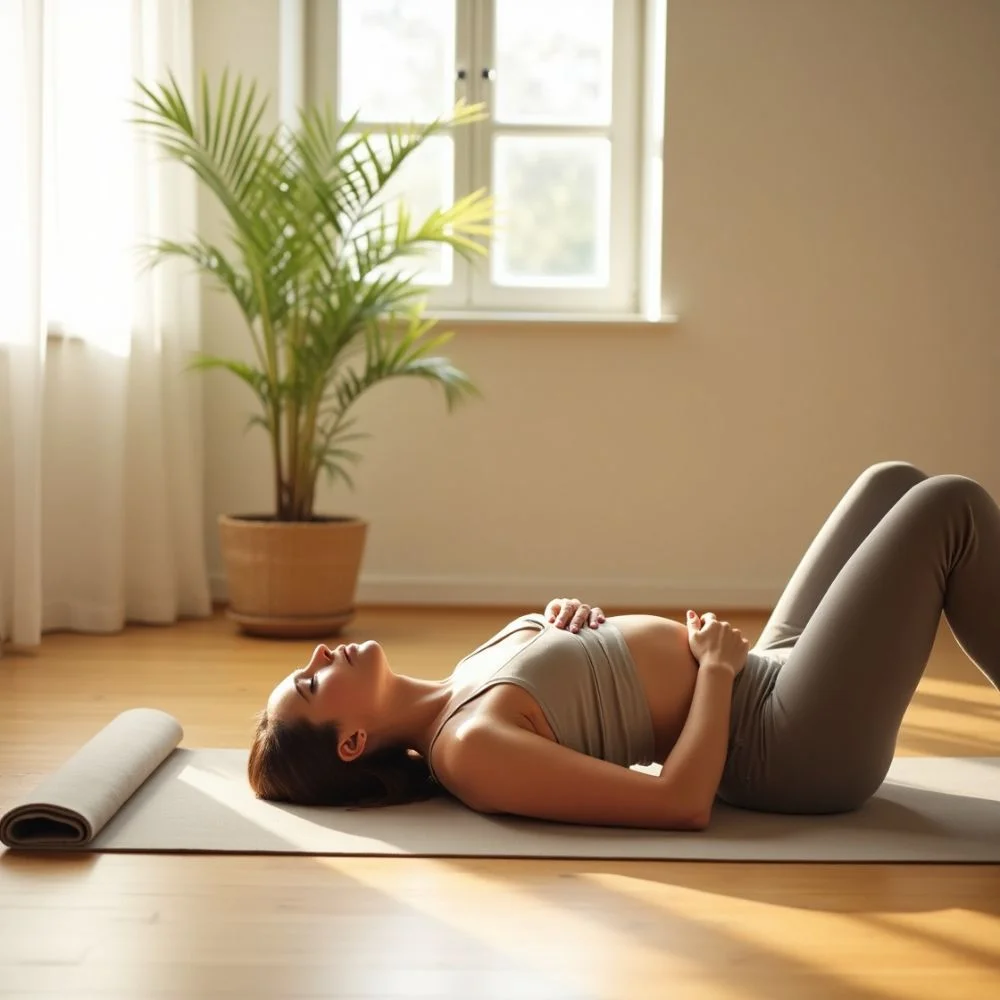
Diaphragmatic Breathing
Most people breathe shallowly from the chest. Deep breathing from the belly, also called diaphragmatic breathing, gives more oxygen and calms your body faster.
Practice Steps:
- Sit or lie down comfortably
- Place one hand on your belly and one on your chest
- Inhale through your nose and let your belly rise
- Exhale slowly through your mouth
- Repeat for 5–10 minutes
This method is safe and very effective in long-term anxiety control.
 Alternate Nostril Breathing
This is a traditional yoga technique known as Nadi Shodhana, used to balance brain activity and energy flow.
Follow These Steps:
- Sit in a relaxed position
- Close your right nostril with your thumb
- Inhale through your left nostril
- Close your left nostril with your ring finger
- Exhale through the right nostril
- Inhale through the right, close it, and exhale through the left
Repeat this cycle for 1–2 minutes. It helps you feel more balanced and present.
Pursed-Lip Breathing
This simple method slows down your breathing and makes exhaling easier. It’s helpful when you feel breathless or panicked.
How to Practice:
- Inhale slowly through your nose for 2 seconds
- Purse your lips like you’re blowing out a candle
- Exhale slowly through pursed lips for 4 seconds
This technique improves airflow and gives you a sense of control.
How Often to Practice Breathing Techniques?
Breathing techniques are most useful when you make them part of your daily routine. You can do them:
- In the morning, to start your day calmly
- During work breaks, to reduce tension
- Before sleep to relax your body and mind
- During anxiety attacks, to regain control
Practice 5–10 minutes, 2–3 times a day. With regular practice, your body learns to stay calm even in tough situations.
Other Benefits of Deep Breathing
Besides reducing anxiety, breathing exercises bring other daily benefits. These include:
- Better sleep quality
- Lower blood pressure
- Reduced muscle tension
- Improved digestion
- Clearer thinking
- Stronger immune system
By practicing mindful breathing, you’re training your brain to react less to stress and stay calm longer.
Mistakes to Avoid When Practicing Breathing
Sometimes, people feel dizzy or light-headed when they try new breathing methods. That’s usually because they:
- Breathe too fast or forcefully
- Hold their breath too long
- Try advanced techniques without training
- Do it in uncomfortable positions
- To avoid these issues:
- Start slow and gently
- Don’t push your breath
- Sit or lie in a relaxed posture
- Stop if you feel unwell and try again later
Everyone adjusts at their own pace. Keep your breathing soft and smooth.
Combine Breathing with Other Relaxation Habits
While breathing techniques work well alone, they can become more powerful when used with other calming habits like:
- Walking in nature: Connects you to your surroundings
- Listening to calm music: Slows your heartbeat
- Journaling: Clears mental clutter
- Stretching or yoga: Relaxes muscles and releases stress
- Staying hydrated: Helps your body feel better and think clearly
Breathing creates the foundation. These habits add more support to your mental health routine.
Conclusion
You don’t need expensive tools or a therapist to relieve anxiety. All you need is your breath. Simple breathing techniques like 4-7-8, box breathing, and belly breathing calm your mind and help you feel more in control. The best part? You can practice anytime, anywhere. If you make these breathing methods a daily habit, you’ll feel calmer, think clearly, and handle stress better over time. Start small, breathe gently, and stay consistent. Your breath can be your best ally against anxiety.