
Table of Contents
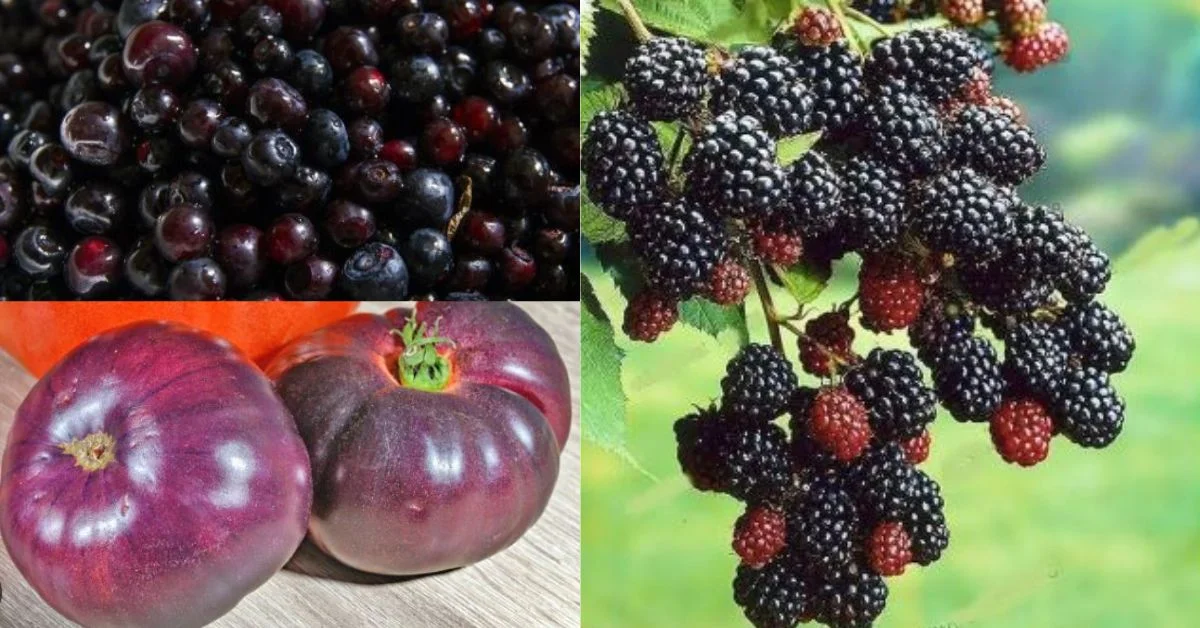
When it comes to healthy eating, most people know about leafy greens and citrus fruits. But there’s a group of colorful, nutrient-rich foods that deserve just as much attention blue fruits. These naturally blue and deep purple fruits are not only delicious but are packed with vitamins, antioxidants, and other health benefits that can help improve your overall well-being.
Why Choose Blue Fruits?
Nature gave blue and purple fruits their hue for a reason. The rich colors are caused by anthocyanins, powerful antioxidants known to combat oxidative stress, reduce inflammation, and support heart and brain health.
Adding more blue fruits to your plate is a simple and delicious way to elevate your nutrition. Here are some science-backed reasons to make the switch:
- Rich in Antioxidants: Help neutralize free radicals that cause cell damage.
- Anti-inflammatory: May reduce chronic inflammation, a root cause of many diseases.
- Heart-healthy: Support better blood pressure, cholesterol, and circulation.
- Brain-boosting: Enhance memory and cognitive function.
- Support healthy aging: Help maintain skin elasticity and slow signs of aging
Top Blue Fruits
1. Blueberries
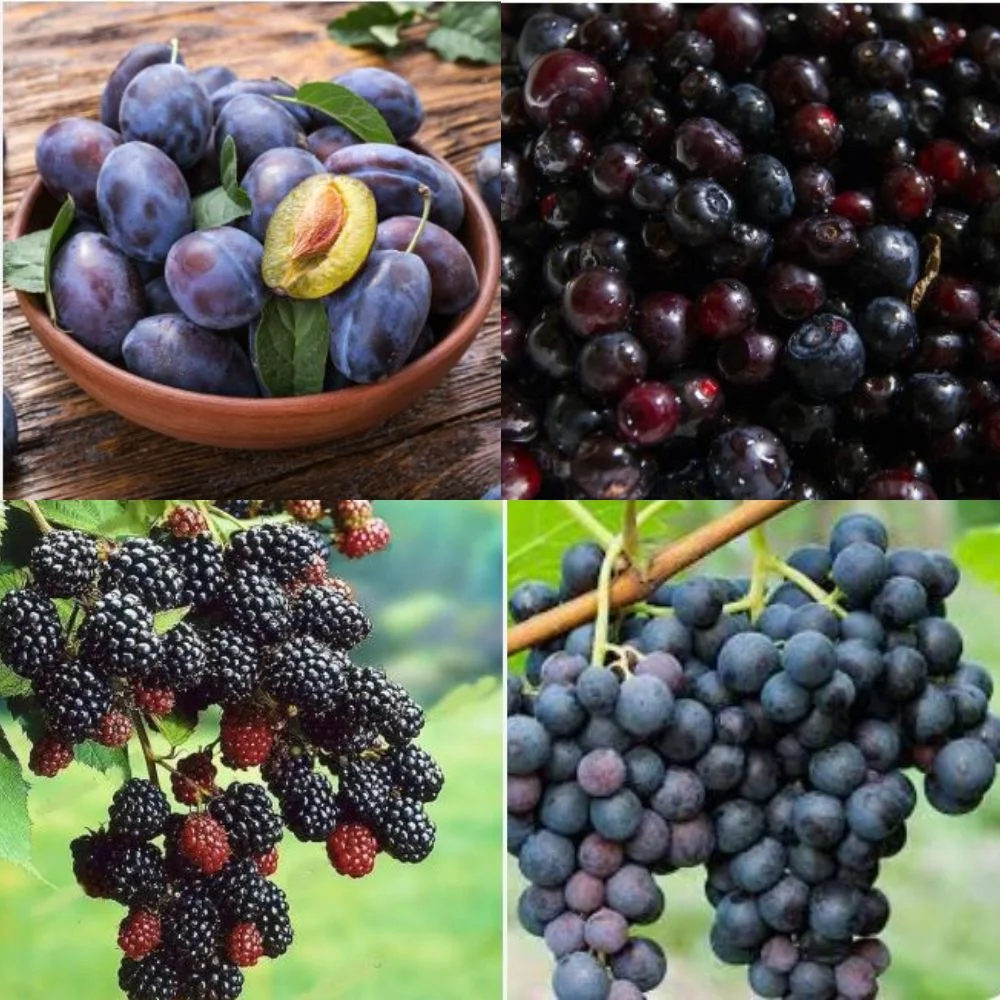
People often call blueberries a superfood and with good reason. These small berries are bursting with nutrients.
Health Benefits:
- High in antioxidants, especially anthocyanins
- Helps improve memory and brain function
- It supports heart health by reducing blood pressure and lowering levels of bad cholesterol.
- May reduce the risk of type 2 diabetes
- Great for digestion because of their fiber content
How to Eat Them: You can eat blueberries fresh as a snack, mix them into yogurt, add them to smoothies, or use them in pancakes and muffins. They’re also tasty in salads or even frozen as a sweet treat.
2. Blackberries
Blackberries are juicy, sweet, and packed with goodness. They provide a good amount of fiber and vitamin C which strengthens your immune system and supports gut health.
Health Benefits:
- High in vitamin C and vitamin K
- Full of antioxidants to fight inflammation
- Good for bones and blood clotting
- Helps keep your skin healthy
- May boost brain health
How to Eat Them: Blackberries are great fresh, in smoothies, or baked into desserts like cobblers and pies. You can also toss them into oatmeal or sprinkle them over your morning cereal.
3. Elderberries
Elderberries are often used in syrups and teas, especially during cold and flu season. People recognize them for their powerful ability to boost the immune system.
Health Benefits:
- Rich in antioxidants and vitamin C
- Helps fight off colds and flu
- May reduce inflammation
- Supports heart health
- Acts as a natural antiviral
How to Eat Them: It’s important to note that raw elderberries can be toxic, so they should always be cooked. You can find elderberries in syrups, jams, teas, or as supplements. Elderberry syrup is especially popular during the winter months.
4. Concord Grapes
Concord grapes display a deep blue color and offer a naturally sweet flavor. These grapes are used in juice, jellies, and even wine.
Health Benefits:
- They contain resveratrol, a compound that actively supports heart health.
- High in vitamin C and antioxidants
- It may help lower blood pressure
- Supports brain health
- Good for skin and anti-aging
How to Eat Them: You can eat them fresh or drink 100% grape juice with no added sugar. They’re also used in jelly, which you can spread on whole-grain toast. Just watch out for added sugar in store-bought versions.
5. Damson Plums
These small, dark plums may not be as common as other fruits, but they are full of flavor and health benefits.
Health Benefits:
- High in fiber, which helps with digestion
- Full of antioxidants to reduce inflammation
- Good source of vitamin C and potassium
- May help with weight management
- Supports liver health
How to Eat Them: Damson plums can be eaten fresh, cooked into sauces, or used in jams. They have a tart flavor that pairs well with meats or baked into pies.
6. Blue Tomatoes
While technically a fruit, blue or purple tomatoes are not often seen in grocery stores, but they are gaining popularity for their rich antioxidant content.
Health Benefits:
- Contain anthocyanins, just like berries
- Good for heart and skin health
- High in lycopene, which helps fight cancer
- Supports eye health
- Low in calories, good for weight loss
How to Eat Them: You can slice them for salads, use them in sauces, or eat them fresh like regular tomatoes. Their unique color also makes dishes more visually appealing.
7. Huckleberries
Huckleberries are similar to blueberries but with a slightly tart flavor. They thrive in the wild in specific regions and provide a rich supply of nutrients.
Health Benefits:
- High in antioxidants
- Helps fight infections and inflammation
- Supports heart and liver health
- Rich in iron and vitamin B
- May improve eye health
How to Eat Them: You can enjoy fresh huckleberries raw, cook them into jams, or bake them into pies and pancakes. They’re also great in smoothies or added to trail mix.
What Makes These Fruits So Powerful?
These blue fruits stand out because of their antioxidant power, especially from anthocyanins. Antioxidants protect your cells and reduce the risk of many chronic illnesses, the natural fiber in these fruits helps with digestion, keeps you full and supports healthy blood sugar levels.
Many blue fruits are also low in calories and high in water content, making them perfect for weight management. At the same time, they are nutrient-dense, meaning they provide a lot of health benefits without adding too many calories.
Tips for Adding Blue Fruits to Your Daily Routine
If you’re not already eating these fruits, it’s easy to start. Here are a few simple tips:
- Keep a bag of frozen blueberries in the freezer. You can throw them into smoothies, yogurt, or oatmeal.
- Add a handful of blackberries or grapes to your lunch or snack plate.
- Use elderberry syrup during cold season for a natural immune boost.
- Add fresh huckleberries or damson plums to your cereal or granola when they’re in season.
- Try new recipes like blue fruit salads, homemade jams, or baked goods with these fruits.
Are There Any Side Effects?
For most people, blue fruits are very safe to eat. However, here are a few things to keep in mind:
- Elderberries must be cooked before eating. Eating raw elderberries may lead to nausea or an upset stomach.
- Some people may be allergic to certain berries, though this is rare.
- If you are watching your sugar intake, be careful with store-bought juices or jams, as they can contain added sugars.
- Eating too many berries at once may cause a mild upset stomach due to their fiber content. Start with small amounts if you’re not used to them.
Conclusion
Adding blue fruits to your diet is one of the easiest and most delicious ways to improve your health. Their rich colors aren’t just pretty, they’re a sign of the powerful plant nutrients inside. Whether you eat them fresh, frozen, cooked or blended into a smoothie, you’ll be doing your body a favor. From boosting your brain and heart health to supporting your immune system, these fruits are a smart choice for people of all ages.