
Table of Contents
- Origin of the Dove as a Peace Symbol
- Religious Influence on the Dove Symbol
- Dove in Art and Peace Movements
- Dove in Political and Global Symbols
- The Olive Branch and Its Connection to the Dove
- Why the Dove Symbol Appeals Emotionally?
- Global Use of the Dove Symbol
- Dove Symbol in Literature and Songs
- Modern Relevance of the Dove
- How does the Dove support Peace Education?
- Symbolic Use of the Dove Across Cultures and Contexts
- Conclusion
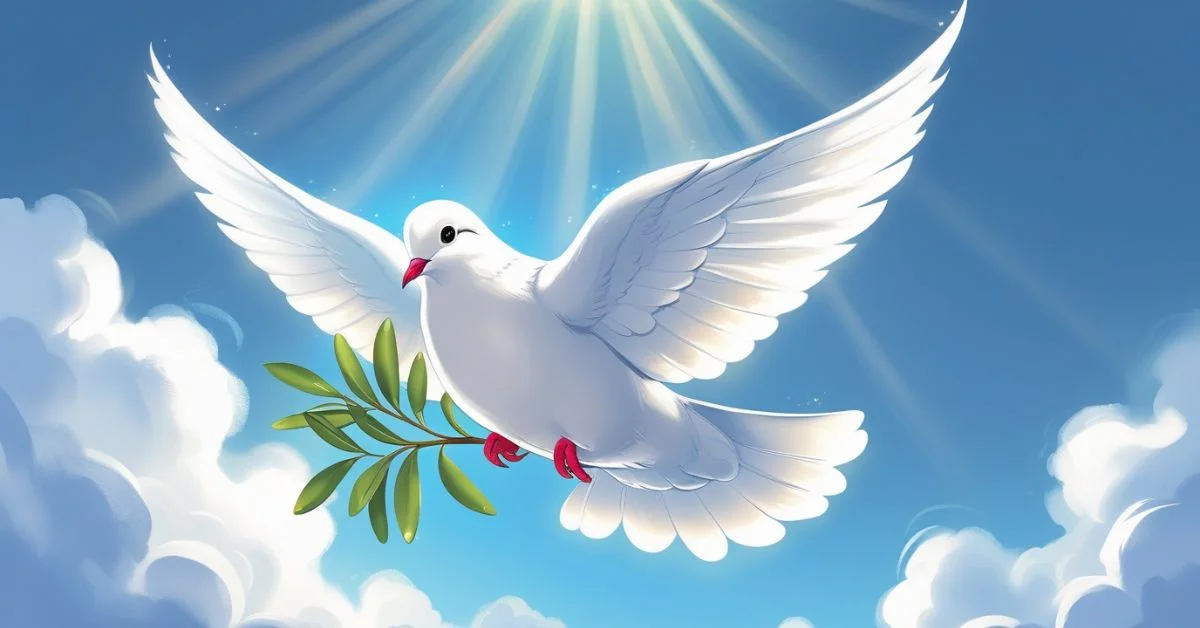
The image of a white dove carrying an olive branch floats in many people’s minds whenever they think of peace. This graceful bird has become one of the most recognized and trusted peace symbols around the world. From historical texts to modern protests, the dove represents calm, unity, and the human desire to live without conflict.
Origin of the Dove as a Peace Symbol
The dove’s journey as a peace icon starts from ancient texts and traditions. Its connection to peace can be traced back to biblical stories, where it plays a gentle but strong role.
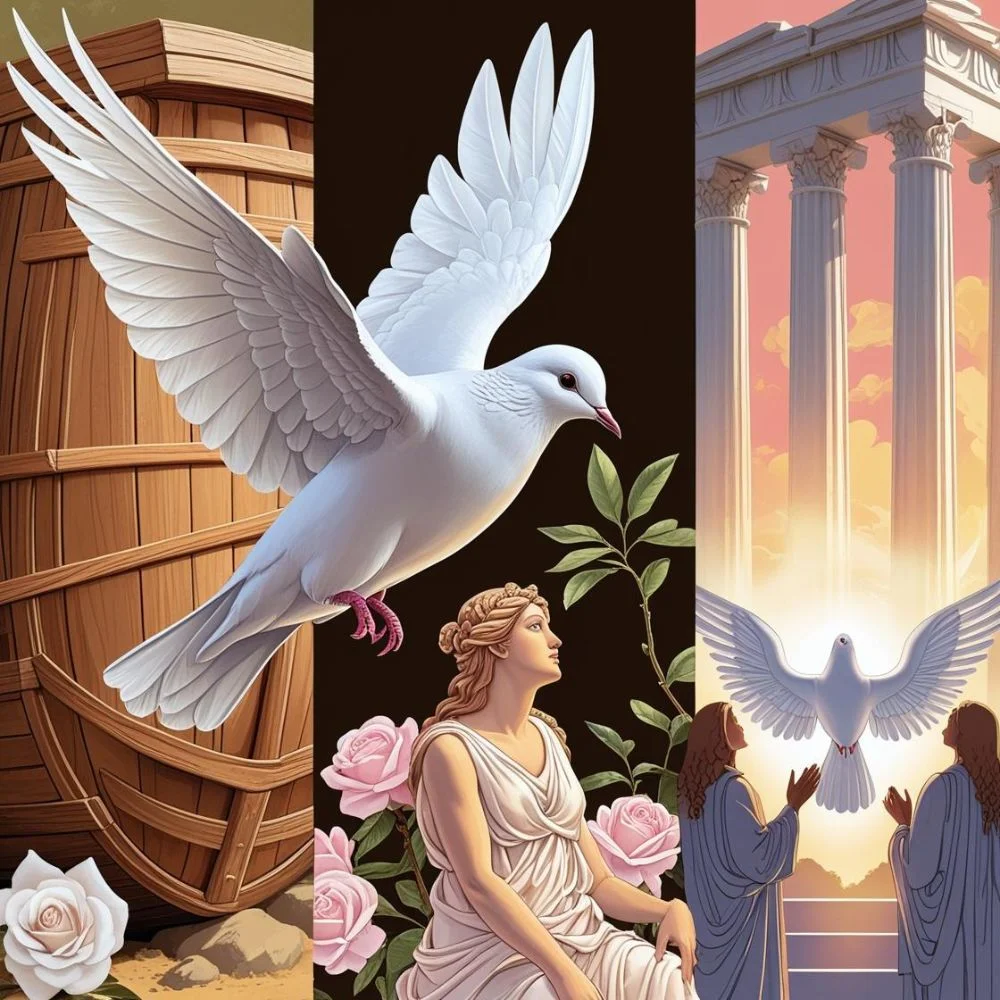
- In the story of Noah’s Ark, a dove returned with an olive branch, showing the flood had ended. This moment symbolized the return of calm after chaos.
- In ancient Greek and Roman culture, doves were linked to love and harmony, especially through the goddess Aphrodite.
- In early Christian art, doves were commonly used as symbols of purity and the Holy Spirit.
These roots made the dove more than just a bird. It became a message-bearer for hope and healing. Over time, its image stuck with people as a gentle reminder of non-violence and peace.
Religious Influence on the Dove Symbol
Many religions have shaped the dove’s role as a peace symbol. In Christianity, the dove represents the Holy Spirit and appears during Jesus’ baptism, symbolizing divine peace. Featured in the story of Noah’s Ark, the dove in Judaism returns with an olive branch to mark the end of the flood and the return of calm. According to Islamic tradition, doves once protected the Prophet Muhammad, symbolizing peace and divine care. Across these faiths, the dove stands for purity, innocence, and spiritual presence, making it a lasting symbol of peace in cultures worldwide.
1. Christianity and Peace Symbolism
Christianity uses the dove as a symbol of both the Holy Spirit and peace. The Bible includes scenes where the Holy Spirit appears as a dove during Jesus’ baptism, highlighting calm and divine approval.
2. Judaism and Symbolic Meaning
In Judaism, the dove is more than just a peaceful image; it holds deep spiritual meaning. In Jewish texts and poetry, doves are used to express calmness during hardship and symbolize the inner spirit seeking peace. This gentle bird reflects the longing for harmony, both in personal life and within the community.
3. Islamic Views on the Dove
While not central, Islamic stories respect the dove as a gentle creature. Some traditions suggest that doves protected the Prophet Muhammad during his escape, offering peace and safety.
This broad religious base strengthens the dove’s role as a symbol of spiritual peace and forgiveness, not just in one culture, but across many.
Dove in Art and Peace Movements
Over time, artists and peace leaders have used the dove in their work to promote nonviolence. From paintings to posters and peace campaigns, the dove has become a powerful visual symbol of hope, unity, and calm. Its simple image helps express peaceful ideas in a way that speaks to people across cultures and languages.
1. Pablo Picasso’s Peace Dove
Pablo Picasso’s 1949 sketch of a dove gained worldwide recognition as a symbol of peace, eventually serving as the emblem for the World Peace Congress and inspiring peace movements around the globe.
2. Peace Campaign Posters
These images use the bird to suggest peaceful resistance and harmony. It acts as a non-verbal way to spread hope and demand peace without words.
Dove in Political and Global Symbols
Governments, international bodies, and political groups use the dove to show support for unity and disarmament.
- The United Nations, a global peace organization, often includes the dove in its peace-building efforts.
- National emblems in several countries use the dove to show their hope for peaceful foreign policies.
- Peace talks and treaties often display doves to mark the beginning of peaceful cooperation.
This shows how deeply the dove connects with people across cultures and political lines.
The Olive Branch and Its Connection to the Dove
The dove is often depicted carrying an olive branch, forming a powerful dual symbol of peace. The olive tree has historically represented abundance, hope, and tranquility.
- In ancient Greece, it was considered sacred and symbolized harmony and unity.
- The Romans used olive branches in ceremonies to mark peace and victory.
- Together with the dove, the olive branch sends a powerful message of ending conflict.
This pair now shows up in peace logos, medals, and even flags.
Why the Dove Symbol Appeals Emotionally?
People feel emotionally connected to the dove because of its calm and pure nature. It doesn’t just symbolize peace, it creates a feeling of peace.
- The dove’s gentle plumage and white coloring are often associated with purity and sincerity.
- Its silent flight symbolizes calm strength, while its lifelong mating habits represent love, faithfulness, and togetherness
All these emotional traits make the dove more than a symbol. It becomes a living metaphor for peace in everyday life.
Global Use of the Dove Symbol
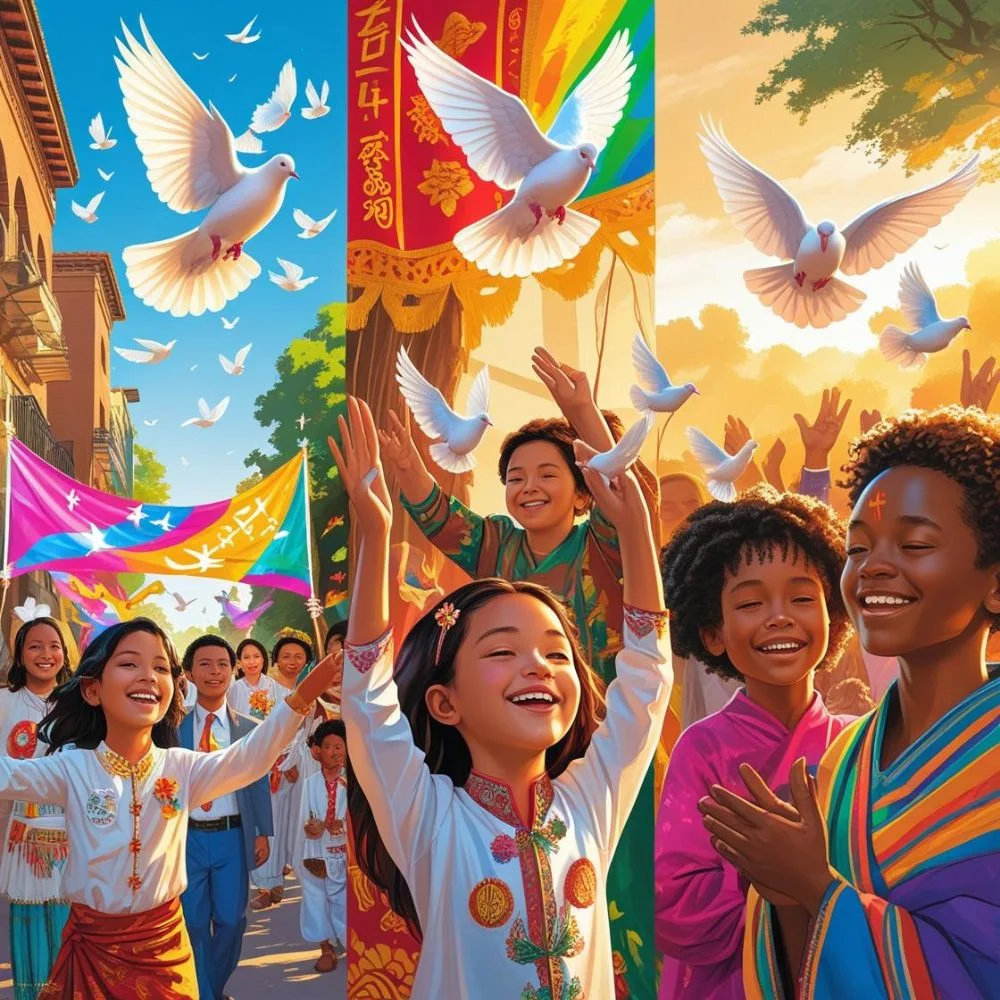
From Europe to Asia, Africa to the Americas, the dove is a trusted and loved icon. While its meanings may shift slightly between cultures, the idea of peace remains strong.
- In Latin America, doves are used in church events and public parades calling for peace.
- In Asia, peace festivals often feature doves being released into the sky.
- In Africa, doves are linked to community unity and recovery after war.
This wide acceptance proves that the dove works as a universal peace message.
Dove Symbol in Literature and Songs
For centuries, writers and singers have used the dove to express themes of peace, love, and hope. In poems, stories, and songs, the dove often appears as a gentle symbol that reflects the human desire for calm and harmony. Its peaceful nature makes it a timeless image in creative expression.
1. Poetry and Novels
Many poets use the dove to symbolize hope in difficult times. Its gentle image helps create a sense of calm and peace, even within stories filled with struggle or sadness. The dove brings a soft, comforting tone to their words.
2. Peace Songs and Lyrics
Popular peace songs mention doves to describe the end of war or the dream of a better world. The image is simple, yet deeply moving, especially when sung by voices asking for love and calm.
Modern Relevance of the Dove
Even today, the dove plays a key role in peace events, from school programs to international diplomacy.
- World Peace Day events use doves in logos and art.
- Schools and youth groups teach about peace using dove crafts and drawings.
- Dove symbols appear in social media campaigns pushing for conflict resolution.
This lasting relevance shows that people still need and believe in symbols of peace.
How does the Dove support Peace Education?
Educators and peace workers use the dove as a learning tool. It’s easy to understand, powerful, and helps start conversations.
- Peace education includes drawing doves, writing stories about them, and sharing what peace means.
- The dove helps young people grasp complex topics like war, forgiveness, and rebuilding after conflict.
- It encourages kindness, respect, and community.
By staying simple yet meaningful, the dove helps plant the seeds of peace in young minds.
Symbolic Use of the Dove Across Cultures and Contexts
| Domain | Context | Meaning of the Dove |
| Religion | 1. Christianity (Holy Spirit at Jesus’ baptism) | 1. Purity, divine peace |
| 2. Judaism (Noah’s Ark story) | 2. Hope after destruction | |
| 3. Islam (protection during the Prophet Muhammad’s escape) | 3. Safety, divine care | |
| Ancient Culture | Greek & Roman mythology (linked to goddesses like Aphrodite) | Love, harmony |
| Literature & Songs | Poetry, peace songs, novels | Hope, comfort, longing for peace |
| Visual Art | Picasso’s Dove of Peace (1949) | Modern peace movement symbol |
| Politics & Treaties | United Nations, peace treaties, national emblems | Diplomacy, global unity |
| Peace Education | Schools, NGOs, workshops | Teaching tool for kindness and cooperation |
| Cultural Traditions | Dove releases in festivals and ceremonies | New beginnings, spiritual connection |
Conclusion
The dove stands the test of time. It carries deep meaning across religion, art, culture, and politics. Whether flying across an ancient scroll, sitting on a peace treaty, or floating in a school project, the dove brings the same message: peace is possible.
Its role as a global symbol of peace continues because it speaks without words. It touches both the mind and the heart. The dove reminds us that even in times of conflict, there is hope for harmony.