
Table of Contents
Weighted blankets are a game-changer for better sleep, stress relief, and comfort. Weighted blankets have become a popular choice, they can reduce anxiety, help you relax and improve your sleep quality. But over time, like all bedding, your weighted blanket collects sweat, dirt, and spills. Cleaning it the right way is important not just for hygiene but also to keep your blanket in good shape for years.
Why Cleaning Your Weighted Blanket Matters?
Weighted blankets collect sweat, skin cells, pet hair and more over time.
A dirty weighted blanket may not only smell bad but also cause allergies or skin irritation.
Cleaning your blanket the right way:
- Keeps it hygienic
- Extends its life
- Helps it stay soft and cozy
- Maintains its weight balance and shape
Steps to Clean Weighted Blanket
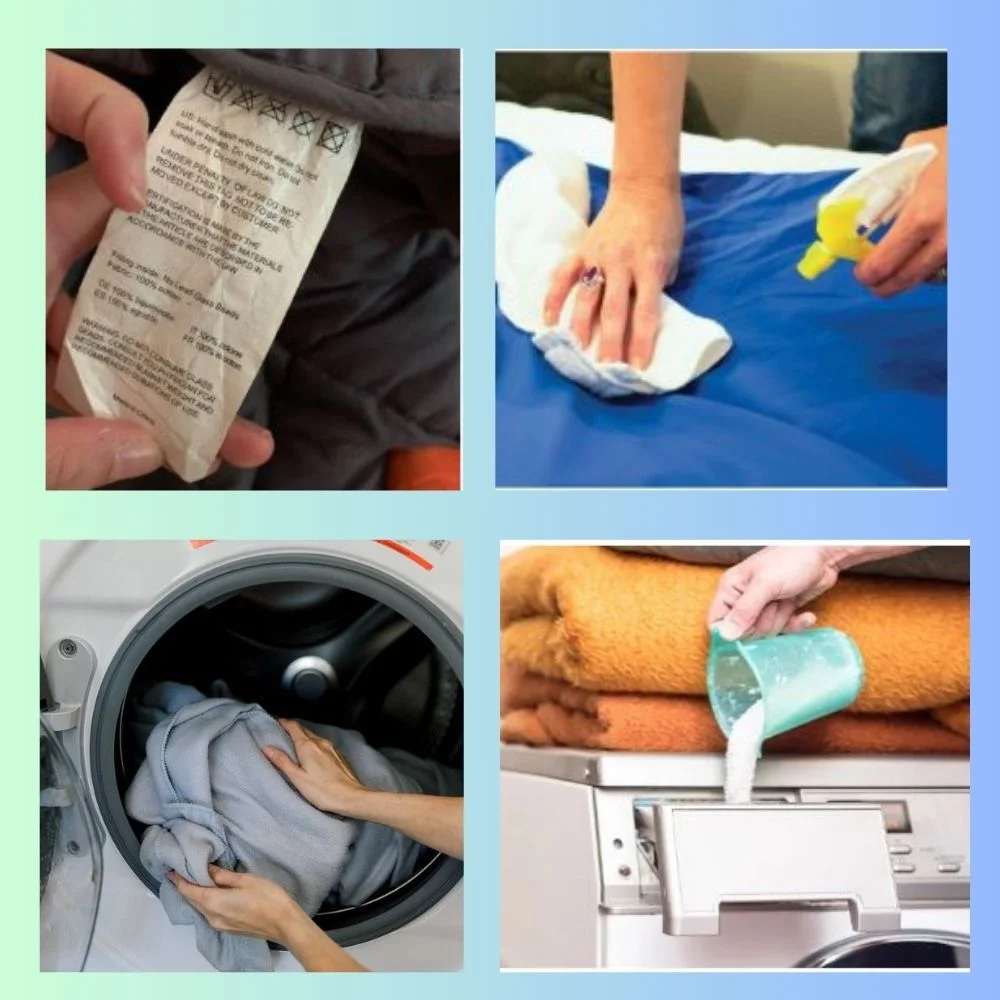
1. Check the Care Label
The first step is simple but often ignored. Always read the care label attached to your blanket. It gives specific instructions from the manufacturer, such as:
- Whether the blanket is machine-washable
- If only spot cleaning or dry cleaning is recommended
- Water temperature and detergent types to use
Manufacturers use various materials to make weighted blankets, such as cotton, fleece, minky, bamboo, and linen. The fillers inside also vary. Some use glass beads, others use plastic pellets, steel shot beads, or even sand. These materials affect how you should clean your blanket.
2. Identify the Filler Material
Common types of fillers include:
- Glass beads – Heavier and usually machine-washable
- Plastic poly pellets – Durable, often washable but may warp in high heat
- Organic materials (rice, beans, sand) – Usually not washable
3. Check the Blanket’s Weight and Size
Most household washing machines can handle loads up to 12-20 pounds. If your weighted blanket is heavier than that, it may be too big for your home machine. For heavy or oversized blankets:
- Visit a laundromat with commercial machines
- Consider hand-washing (if possible)
- Use a professional laundry service
Trying to wash a heavy blanket in a small washer may damage both the blanket and your machine.
4. Spot Cleaning for Small Stains
If there’s just a small stain or spill:
- Mix mild detergent with warm water
- Use a soft cloth or sponge to absorb the cleaning solution.
- Dab the stained area gently (avoid rubbing harshly)
- Rinse with a damp cloth and air dry.
This method is especially useful for food spills, pet stains or makeup marks.
5. Choose the Right Detergent
Use a gentle, fragrance-free detergent. Avoid bleach, fabric softeners, and harsh chemicals, as they can damage the fabric or filler inside.
A mild detergent:
- Protects fabric softness
- Prevents skin irritation
- Helps maintain the weight inside the blanket
If you have sensitive skin or allergies, this step is even more important.
6. Machine Washing (If Allowed)
If the care label says it’s safe:
- Use a front-loading washing machine (top loaders with agitators can damage the blanket)
- Wash on a gentle cycle with cold or warm water
- Use a mild, bleach-free detergent
- Avoid using fabric softeners, since they can weaken the fibers and damage the fillers.
7. Hand Washing for Delicate or Heavy Blankets
To hand wash:
- Pour lukewarm water into a bathtub or large basin and add a small amount of mild detergent.
- Submerge the blanket fully
- Gently knead and agitate the water to clean the fabric
- Drain and rinse thoroughly with clean water
- Press the blanket gently to remove excess water, but avoid wringing or twisting it.
Dry the Blanket Safely
Drying is just as important as washing. The wrong drying method can damage the fillers, shrink the fabric, or leave behind a musty smell.
1. Air Drying
Air drying is often the safest option:
- Place the blanket flat on a clean and dry surface.
- Flip it occasionally to help both sides dry evenly
- Avoid direct sunlight to prevent fading
2. Tumble Drying (Only If Safe)
If your blanket’s label allows:
- Use a large commercial dryer if your home dryer is too small
- Tumble dry on low heat
- Add clean tennis balls or dryer balls to the dryer to keep the blanket fluffy and spread the weight evenly.
Caution: High heat can damage fillers like plastic pellets or cause uneven distribution.
How Often Should You Clean a Weighted Blanket?
You don’t need to wash your weighted blanket as often as your sheets. Washing it every 2 to 4 months is usually enough unless it gets visibly dirty.
However, using a removable cover can reduce the need for frequent washing. Just wash the cover as often as your regular bedding.
Blanket Cover Tip:
- Most covers are machine-washable
- Easier to clean than the blanket itself
- Protects the inner blanket from stains, sweat, and spills
Blanket Maintenance Tips Between Washes
- Use a removable cover to protect the blanket
- Spot clean spills right away
- Let the blanket air out regularly to keep it smelling fresh and clean.
- Store in a breathable bag if not in use
Weighted Blanket Care by Material
Cotton Weighted Blankets
- Usually machine-washable
- Use gentle detergent and cold water
- Best to air dry to prevent shrinkage
Minky or Plush Blankets
- Hand wash or machine wash on delicate cycle
- Avoid heat; lay flat to dry
Bamboo or Linen Covers
- Gentle wash with cold water
- Air dry or use a no-heat setting
Common Mistakes to Avoid
- Skipping the care label instructions
- Using hot water or high dryer heat
- Overloading your washer
- Using bleach or harsh chemicals
- Wringing the blanket, which can distort the shape
Conclusion
Cleaning your weighted blanket doesn’t have to be intimidating. By using the right care methods, you can keep your weighted blanket looking fresh and feeling comfortable for years. Always start by checking the care label, and choose the cleaning method that fits the blanket’s material and construction.
Whether you wash it at home or take it to a pro, a clean weighted blanket means better sleep, improved hygiene, and long-lasting comfort. Take care of your blanket, and it will continue to take care of you.