
Table of Contents
In 2023 the word Shein dominated fashion Google searches more often than Zara or H&M. Shoppers in São Paulo, Lagos and Manila now refresh the same app for $5 tops and free shipping, producing what industry analysts call the fastest ascent in retail history. The brand rarely speaks to press, yet uploads roughly 7 000 new styles daily, dwarfing the weekly drops of legacy chains.
Overview
Shein is a Chinese online-only fast-fashion retailer launched in 2008 as Sheinside, later renamed to the snappier moniker the world now recognises. There are no brick-and-mortar stores, no concession corners inside department stores, and until 2023 no evident plans for them. Instead the company runs a supply-chain-cum-social-media empire:
- An ultra-responsive design-manufacture-ship loop cutting sample time to under three days.
- TikTok and Instagram native marketing that compensates nano-influencers with gift cards rather than cash.
- Algorithmic pricing that undercuts giants by 30–50 % on day one, then skims margin using app-exclusive flash sales.
The result is a fashion supermarket that never closes, refreshes faster than emotions change, and rarely repeats a design.
Origin Story: From Wedding Dresses to Flash Sales
Chris Xu, an American-educated search-engine specialist, pivoted from reselling plus-size wedding gowns on eBay to building a women’s apparel domain. Early data mining showed U.S. teenagers searching for “cheap crop tops” and “cute festival outfits”. Shein shortened supply lines, eliminated wholesale middlemen, and ran Facebook ads so laser-targeted they felt psychic. Sales tripled each year between 2012 and 2016, setting the template for later mega-growth.
The Nanjing Playbook
Corporate headquarters sit in Nanjing, Jiangsu, a city known for textile engineering schools. Proximity matters: designers can physically walk next door to dye houses, print labs and logistics hubs. Shein keeps most production within a 150-kilometre radius, creating a physical internet where styles iterate in hours, not weeks. Rivals spread production across three continents by comparison.
Why Shein Became a Global Fashion Giant?
Agile Manufacturing Loop
The heart of Shein speed is an internal software layer every supplier must adopt. Cameras on factory floors stream to dashboards in Nanjing; minor stitching errors trigger auto purchase orders for replacement trims. The system hides excess inventory risk from individual plants and compels them to chase ever-smaller batch sizes. Instead of 3 000 jackets in one colour, lines now make 100 jackets across thirty colourways. If a hue tanks, waste is capped.
Data Just-in-Time Design
Every scroll inside the Shein app deposits a breadcrumb in the company’s graph. Lightning-fast trend spotting turns viral I.N.C. brand knockoffs into listings 48 hours after a red-carpet photo hits Twitter. Merchandising teams read Reddit fashion boards aloud during lunch breaks; matching colour palettes auto-populate production queues by dinner. Brands that once designed six months ahead now scramble weekly.
Algorithmic Discovery Feeds
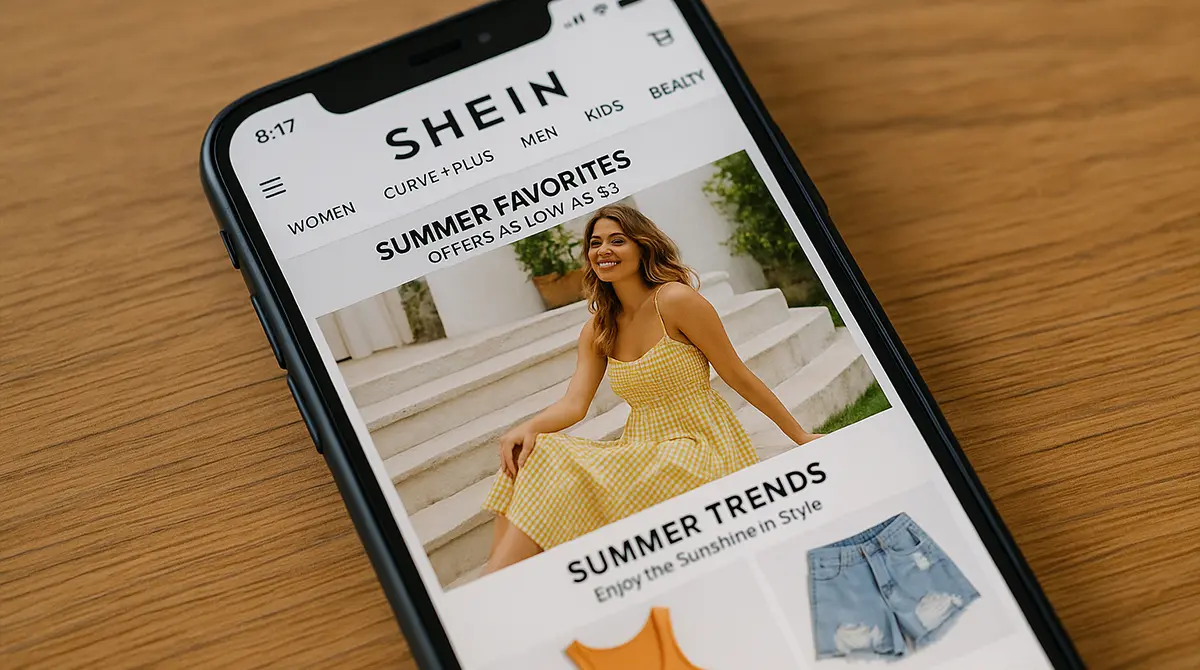
Shein’s app mimics TikTok’s infinite swipe. Machine-learning models personalise not only style but price points: a thrifty user in India sees lower ticket costs than an affluent buyer in Hong Kong, even for identical stock. Loyalty coins, scratch-card game pop-ups and limited-hour shipping vouchers keep dopamine levels high and cart abandon rates low.
Creator Flywheel Economics
- Paid Ads Vanished: Influencer haul videos replaced all paid search spending in North America by 2021.
- Micro-Ambassador Model: 40 % discount codes are issued to anyone with 5 000 followers, creating an army of nano marketers.
- UGC Pop-Up Showrooms: Week-long branded apartments on Airbnb in Paris, Los Angeles and Dubai let content creators film try-on sessions in aspirational homes.
The above tactics turned a modest Chinese app into a credibility engine bigger than Vogue’s Instagram page.
Borderless Logistics Network
Airfreight hubs in Guangzhou, Liege and Los Angeles form a triangle that circumvents congested cargo lanes. Average door-to-door shipping dropped from 14 days in 2019 to 6–9 days in 2023 for the United States. The company negotiates chartered 747 flights and mails parcels as low-density duty-paid gifts to navigate customs thresholds, dodging import taxes competitors must absorb.
Who Buys From Shein? Target Audience & Market Reach
Psychographic Profiles
| Persona | Age Range | Motivator | Top Market |
|---|---|---|---|
| Trend-Hunting Teens | 13–18 | Viral TikTok validation | USA, Mexico |
| Campus Creators | 18–24 | Affordable content wardrobe | UK, Canada |
| Side-Hustle Resellers | 20–35 | Flip wholesale bundles | Nigeria, Brazil |
| Sustainable Switches | 25–30 | Small-batch, lower carbon guilt | Germany, France |
Critically, repeat buyers span income brackets. Luxury enthusiasts source experimental pieces before investing in higher-end counterparts, while minimum-wage workers rely on Shein for weekly workwear rotation.
Geographic Expansion Pattern
The brand infiltrates new countries in four waves:
- Passive Cult Presence: Cross-border influencers tag outfits without paid contracts, seeding organic curiosity.
- Localised App Translation & Prices: Within weeks the same outfit costs Philippine pesos instead of dollars, displayed in Tagalog.
- Flash Warehouse Sales: Pop-up events in empty malls move unsold inventory, capture local media buzz, and harvest user emails.
- Parcel Stations for Returns: Corner-store kiosks in Thailand or Poland accept drop-offs at no charge, removing a final barrier to trial.
Profit Model Deep Dive
Low Made-There, Cheap Seen-Here
Shein maintains an average gross margin of 35 %, below Inditex but above Wish. The trick is turnover velocity. A dress stays live online for 20–40 days, after which unsold units flow to warehouse sales or clearance influencers. Few SKUs reach markdown prices online because algorithms kill slow movers outright.
Dynamic Flash Sales Calendar
| Day | Theme | Typical Discount | Inventory Type |
|---|---|---|---|
| Monday | Fresh-Fit Monday | 15 % off | New arrivals |
| Wednesday | Midweek Booster | Buy 2 Get 1 | Overstock basics |
| Friday | Flash-Crush Friday | 20–50 % flash | Micro-trend tests |
Ethical Crosscurrents
The same agility powering breakout success also fuels criticism. Investigative reports document 75-hour work weeks at some partner plants, and copper-foil lookalike fabrics raise end-of-life recycling red flags. The company publishes annual ESG summaries, yet maintains opacity about wage tiers. Critics say the irony of ultra-low prices is that sustainability costs money, suggesting today’s bargain may morph into tomorrow’s environmental bill.
What Comes Next?
Shein has experimented with home goods and pet accessories, hinting at an Amazon-style super-app. Executives registered trademarks for SHEGLAM beauty and SHEHOME, signalling a lifestyle ecosystem stretching far beyond apparel. Meanwhile, rival marketplaces Temu and TikTok Shop adopt the same playbook, compressing timescales even further. The question is no longer whether Shein will survive competition; it is whether the entire fashion calendar can withstand a culture where last week is already vintage.
By compressing the gap between inspiration and wardrobe, Shein redefined what fast fashion even means. Consumers vote with carts, algorithms adjust on the fly, and the centre of style gravity shifts thousands of miles east from Paris runways to Nanjing code repositories. Understanding this machine is essential for shoppers, competitors, and regulators alike.