
Table of Contents
- Education Resource Strategies
- Why Schools Need Resource Strategies?
- Aligning People with Student Needs
- Making the Best Use of Time
- Smart Budget Planning and Spending
- Personalized Learning for All Students
- Building Strong School Leadership
- Using Data to Guide Decisions
- Ensuring Fairness and Equity
- Training and Supporting Teachers
- Technology as a Learning Tool
- Real-Life Results of Resource Planning
- Step-by-Step Implementation Tips
- Challenges and How to Overcome Them
- Education Resource Strategy Tools
- Key Benefits for Students and Schools
- Conclusion
Education resource strategies help schools, teachers, and leaders utilize their people, time, and money more effectively. These strategies are not just about saving money. They focus on improving student learning by organizing resources smartly. Many schools use them to create a stronger, more supportive, and effective learning system for all students.
Education Resource Strategies
Education resource strategies refer to the effective planning and utilization of school resources such as time, personnel, and funds to enhance student learning.
These strategies support:
- Effective classroom instruction
- Strong school leadership
- Personalized learning paths for students
- Fair resource distribution across schools
The main goal is to help every student succeed while using available resources wisely.
Why Schools Need Resource Strategies?
Many schools face budget limits, teacher shortages, and unequal access to learning tools. This is where education resource strategies can help. They ensure that resources are directed where they are most needed.
Main challenges these strategies address include:
- Large class sizes
- Weak support for teachers
- Unequal funding between schools
Poor student outcomes in key subjects like math and reading
Aligning People with Student Needs
One key part of education resource strategies is aligning teachers and staff with the needs of students. This means assigning the right people to the right roles.
Examples include:
- Placing experienced teachers in classrooms that need extra support
- Hiring instructional coaches to guide new teachers
- Using teaching assistants to help in large classrooms
This kind of planning helps students receive better, focused instruction.
Making the Best Use of Time
Time is one of the most valuable resources in a school. Education resource strategies help schools rethink how they use time during the school day.
Smart time strategies may include:
- More time for teacher collaboration and planning
- Extra tutoring hours for struggling students
- Longer learning blocks for key subjects like science and math
When time is well-managed, students benefit from deeper learning and teachers get more chances to grow.
Smart Budget Planning and Spending
Money must be used wisely in education. Good resource strategies include budget plans that match learning goals.
Examples of smart spending:
- Investing in digital tools that support learning
- Reducing spending on outdated or low-impact programs
- Allocating more funds to schools with higher needs
This ensures that every dollar goes toward helping students learn better.
Personalized Learning for All Students
Students learn in different ways and at different speeds. Education resource strategies support personalized learning that fits each student’s needs.
How is this done?
- Offering small group instruction
- Using student data to guide lesson planning
- Assigning teachers based on student strengths and needs
This approach builds student confidence and supports long-term success.
Building Strong School Leadership
Strong school leadership plays a big role in student success. Education resource strategies help schools build leadership teams that can drive positive change.
These strategies include:
- Giving principals more say in hiring and spending
- Offering leadership training programs
- Supporting a culture of teamwork and learning
Leaders who understand how to use resources well can improve the whole school system.
Using Data to Guide Decisions
Education resource strategies depend on data. Schools need clear information about student needs, teacher effectiveness, and budget use.
Data helps schools to:
- Measure what’s working and what’s not
- Make timely changes in teaching methods
- Set goals based on real student progress
With data-driven planning, schools can stay on the right track and keep improving.
Ensuring Fairness and Equity
Resource strategies are not just about getting better results; they’re also about fairness. Some students need more support than others, and schools must provide it.
Strategies to ensure equity include:
- Directing more resources to schools in low-income areas
- Providing extra help for English learners and students with disabilities
- Offering community-based support programs
This helps close the learning gap and gives every child a fair chance to succeed.
Training and Supporting Teachers
Teachers are the heart of every classroom. Education resource strategies include plans to train, support, and retain good teachers.
Support strategies may involve:
- Ongoing professional development
- Peer coaching and feedback
- Incentives for teaching in high-need areas
These efforts lead to higher job satisfaction and better classroom outcomes.
 Technology as a Learning Tool
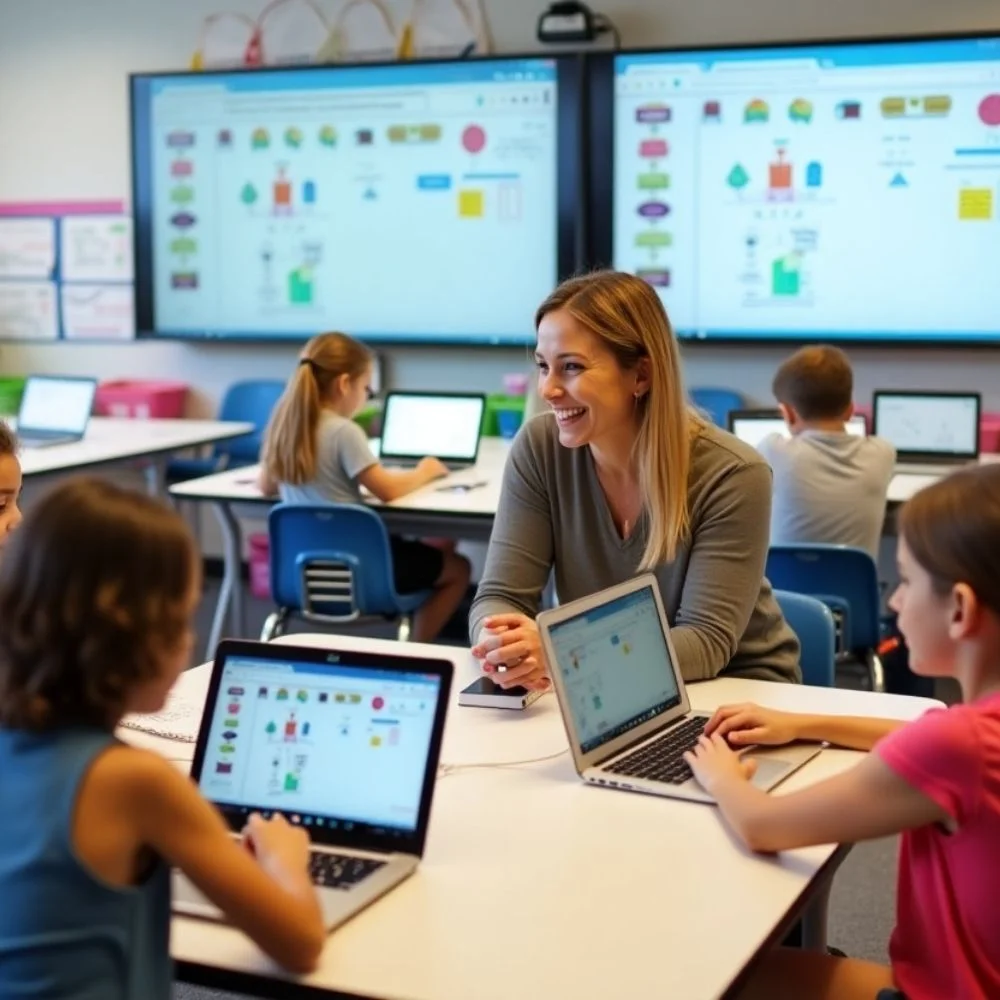
Modern learning includes digital tools. Education resource strategies ensure that schools use technology in ways that support, not replace, great teaching.
Technology strategies include:
- Providing access to laptops or tablets
- Using learning apps for reading, math, and science
- Training teachers to use tech in smart ways
Digital tools can improve learning when used properly alongside human instruction.
Real-Life Results of Resource Planning
Many school districts that use education resource strategies have seen strong improvements in student outcomes. In some areas, test scores increased, dropout rates fell, and teacher satisfaction grew.
Examples from real schools show:
- Better reading and math performance
- Stronger teamwork among staff
- Smarter use of school budgets
These results prove that with good planning, resources can truly transform learning.
Step-by-Step Implementation Tips
Schools new to resource strategies can start small and grow over time. A thoughtful plan is better than a fast one.
Start by:
- Reviewing student performance and budget data
- Talking with teachers and families
- Identifying top needs and quick wins
Then, schools can build a multi-year plan and adjust as they go.
Challenges and How to Overcome Them
Adopting education resource strategies is not always easy. Schools may face resistance, a lack of training, or limited data.
To solve these problems:
- Train leaders and teachers
- Use pilot programs before full rollouts
- Share success stories to build support
Being patient and focused can help schools handle early challenges.
Education Resource Strategy Tools
Many schools use simple tools to manage and plan resources.
Common tools include:
- Budget simulation platforms
- Student needs trackers
- Teacher scheduling software
These tools make it easier to make smart decisions based on real data.
Key Benefits for Students and Schools
When education resource strategies are used well, everyone benefits:
- Students get better instruction and support
- Teachers feel more valued and supported
- Leaders can focus on long-term improvement
Over time, schools become places where all students can thrive.
Conclusion
Education resource strategies offer a smarter way to improve learning. By aligning people, time, and money with student needs, schools can create strong systems that help every child succeed. These strategies are not just about better numbers, they’re about better futures.
Also read this: Education Achievement Authority: Overview