
Table of Contents
- California High-Speed Rail Progress and Purpose
- Construction Updates and Current Status
- Project Timeline and Phased Completion
- Benefits to Communities and the Environment
- Economic Impact and Job Creation
- Route Details and Station Plans
- Future Expansion Plans
- Budget, Funding, and Oversight
- Technology and Safety Standards
- Public Involvement and Local Partnerships
- Challenges and Response Strategies
- FAQS
- 1. What is the goal of California’s high-speed rail project?
- 2. When will the first section of the rail be completed?
- 3. How fast will the high-speed trains go?
- 4. Who provides funding for the project?
- 5. What areas are currently under construction?
- 6. Will the high-speed rail reduce pollution?
- 7. Which cities will the final project connect?
- Final Thoughts
California is building a major transportation project that will reshape travel across the state. As the first high-speed rail system in the United States, this ambitious effort will deliver faster, greener, and more efficient travel for millions of people. This article provides the latest updates, outlines construction progress, details plans, and explains how the project affects communities along the route. It presents all information in clear and simple language for easy understanding.
California High-Speed Rail Progress and Purpose
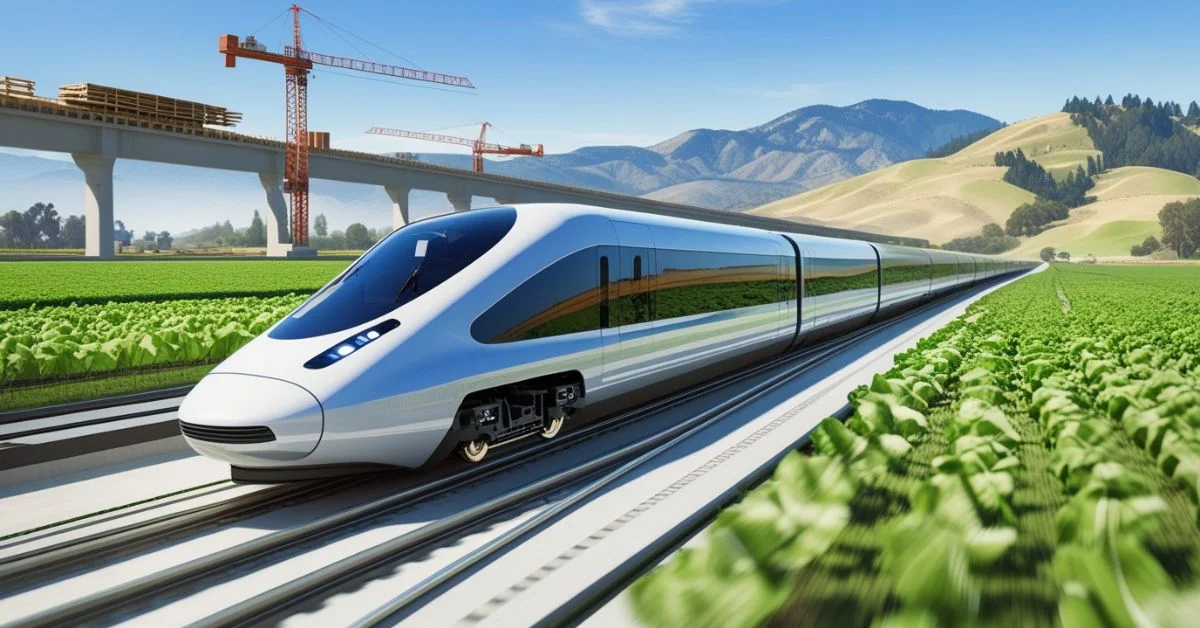
The California high-speed rail project began with a bold vision to connect major cities like San Francisco and Los Angeles with a modern, fast, and environmentally-friendly train. The plan is to use electric-powered trains capable of reaching up to 220 mph. The California High-Speed Rail Authority oversees the construction and implementation.
The project aims to reduce car and air travel between cities, cut down greenhouse gas emissions, and provide a safe and efficient alternative to flying or long road trips.
Construction Updates and Current Status
Work on the high-speed rail system is well underway, especially in the Central Valley, which is the focus of the first construction phase. Over 119 miles of active construction stretch from Madera to Bakersfield. The Authority has awarded multiple contracts for bridges, tracks, and stations. These projects have created thousands of jobs and brought investment to local communities.
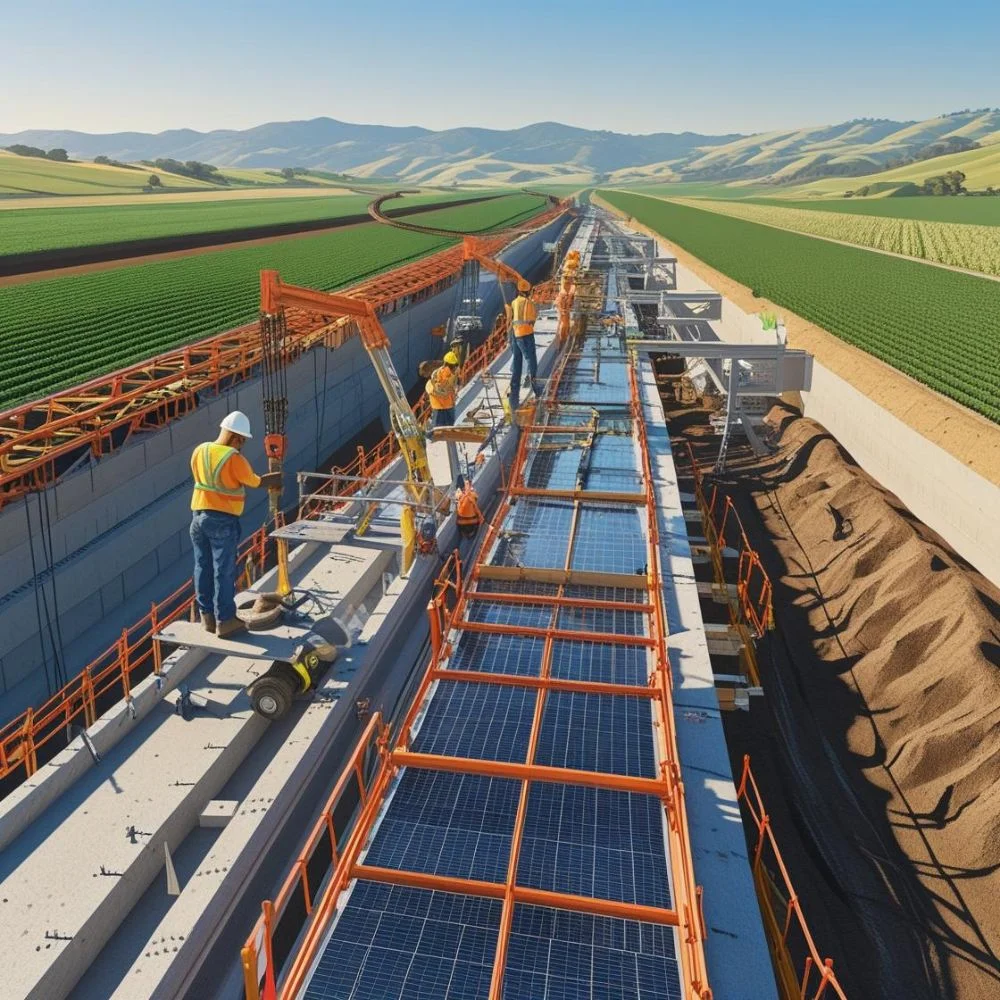
Construction highlights:
- Completed major structures like the Cedar Viaduct and San Joaquin River Viaduct
- Several underpasses and overpasses have been finished for safety and traffic flow
- Ongoing work in Fresno, Kings, and Kern counties
The project includes environmentally friendly methods like preserving farmland, wildlife protection, and using renewable energy during construction.
Project Timeline and Phased Completion
The high-speed rail system is being built in phases. The first operational segment will connect Merced to Bakersfield, planned to begin service in the early 2030s. Once completed, the full line will connect San Francisco to Los Angeles in under three hours.
Key Phases of Construction
- Phase 1: Merced to Bakersfield (119 miles)
- Phase 2: San Francisco to Merced and Bakersfield to Los Angeles
- Future Phase: Extension to Sacramento and San Diego
Delays and funding adjustments have extended the timeline, but the core mission remains unchanged.
Benefits to Communities and the Environment
One of the strongest arguments for this rail system is its positive impact on communities and the environment. The trains will run entirely on electric power, significantly reducing carbon emissions. They also encourage less dependence on cars and planes, which are more polluting.
Community Benefits Include:
- New transportation options in underserved areas
- Boost in local business due to better connectivity
- Increased access to jobs and schools
- Reduction in road congestion
Environmental benefits include reduced greenhouse gases, lower noise pollution, and a smaller overall carbon footprint.
Economic Impact and Job Creation
The high-speed rail project has created a major economic boost, especially in the Central Valley. Since 2006, over 11,000 construction-related jobs have been created. Many of these went to people living in disadvantaged areas.
Financial Highlights:
- $5 billion already invested in construction
- Federal funding from the Bipartisan Infrastructure Law
- Expected long-term savings from reduced car and air travel
Small businesses also benefit through contracts for supplies, services, and local labor.
Route Details and Station Plans
The final rail line is planned to connect major cities across California, forming a high-speed transportation corridor. This includes linking Northern California cities like San Francisco and San Jose with Central Valley hubs such as Fresno and Bakersfield, and continuing down to Los Angeles in Southern California. These connections will make travel faster, more convenient, and more sustainable for millions of people across the state.
Some of the major stops will include:
- San Francisco (Transbay Transit Center)
- San Jose (Diridon Station)
- Fresno
- Bakersfield
- Los Angeles (Union Station)
Each station is being designed for easy transfer to local transit, making door-to-door travel smoother.
Future Expansion Plans
Although current work focuses on the Central Valley, long-term goals extend the line to Sacramento in the north and San Diego in the south. These future sections will take more time, money, and coordination, but planning has already begun.
Expected Additions:
- Sacramento to Merced
- Bakersfield to Palmdale and Burbank
- LA to San Diego through the Inland Empire
These expansions will allow more Californians to benefit from fast and clean transportation.
Budget, Funding, and Oversight
Financing a project of this scale is a complex process. The high-speed rail has received funding from state bonds, federal grants, and cap-and-trade revenue.
Main Sources of Funds:
- Proposition 1A (approved by voters in 2008)
- Federal grants from the Obama and Biden administrations
- Cap-and-trade proceeds under California’s climate law
The California High-Speed Rail Authority publishes annual project updates for transparency, showing how public money is spent and what progress has been made.
Technology and Safety Standards
Safety is a top priority. The system will use advanced rail technology that meets international safety standards. Tracks are fully separated from roads, which prevents accidents with vehicles and pedestrians. Systems will include:
- Real-time train monitoring
- Earthquake sensors
- Emergency communication systems
- Secure fencing along tracks
High-speed trains will also feature comfortable seating, Wi-Fi, and disability access.
Public Involvement and Local Partnerships
Local communities have been involved through public meetings, feedback surveys, and regional partnerships. The Authority listens to residents’ concerns about land use, traffic, and noise. By working with cities and counties, the Authority ensures the project fits local needs. They also involve tribal governments and environmental agencies.
Challenges and Response Strategies
Large-scale projects often come with complex challenges, and California’s high-speed rail project is no exception. From securing steady funding and managing construction delays to handling legal issues and environmental reviews, the project must overcome several hurdles. These obstacles are common in infrastructure efforts of this size, especially when they involve multiple cities, agencies, and billions in public investment. Despite the setbacks, the project continues to make steady progress through careful planning and adjustments.
Key issues include:
- Delays from lawsuits and environmental reviews
- Rising material costs and inflation
- Land acquisition disputes
- Changing political leadership
Despite these problems, the team continues to adjust the schedule and strategy to stay on track. Updated timelines and more federal aid help reduce long-term delays.
FAQS
1. What is the goal of California’s high-speed rail project?
The project aims to build a modern, high-speed train system that connects key cities across California. It’s designed to reduce travel times, ease traffic congestion, and support cleaner transportation by using electric trains.
2. When will the first section of the rail be completed?
The project team expects to complete the first phase, which connects Merced to Bakersfield, in the early 2030s. This segment is the foundation for future expansions toward the Bay Area and Southern California.
3. How fast will the high-speed trains go?
The trains are planned to run at speeds up to 220 miles per hour. This means travelers could go from San Francisco to Los Angeles in under 3 hours, offering a fast and convenient alternative to driving or flying.
4. Who provides funding for the project?
Funding comes from several sources: state-issued bonds (Proposition 1A), federal grants, and revenue from California’s cap-and-trade program. These funds are allocated in stages based on construction progress and long-term goals.
5. What areas are currently under construction?
The main construction zone is in the Central Valley, where work is happening on over 119 miles of track between Madera and Bakersfield. This includes building bridges, overpasses, and station foundations.
6. Will the high-speed rail reduce pollution?
Yes, significantly. The trains will use 100% renewable electric power, which cuts down on harmful emissions. By offering a clean travel option, the rail helps California meet its environmental and climate change targets.
7. Which cities will the final project connect?
The complete high-speed rail network will link San Francisco, San Jose, Fresno, Bakersfield, Palmdale, Burbank, and Los Angeles. Future phases will extend service to Sacramento in the north and San Diego in the south.
Final Thoughts
The California high-speed rail project is a massive investment in the future of clean and efficient travel. While it has faced delays and criticism, the work completed so far shows steady progress. With ongoing support and careful planning, the system will transform how people move across California for generations.
The train will offer a fast, green, and safe alternative to driving or flying. This project will create jobs and deliver environmental benefits across the entire state.