
Table of Contents
- What Does T9 Mean?
- How the T9 Keyboard Works?
- T9 Keyboard vs. Multi-Tap
- Why Was T9 So Popular?
- Where Was T9 Used?
- T9 and Text Messaging
- Common Tricks with T9
- T9 in Other Languages
- T9 in Today’s World
- Why Do People Still Love T9?
- Pros and Cons of T9 Keyboard
- T9’s Place in Mobile History
- What Came After T9?
- Final Thoughts
Before smartphones, touchscreens, and full keyboards, people typed messages on phones using just a few buttons. It might sound difficult now, but back then, the T9 keyboard made it fast and easy. Many people remember this clever tool with a mix of nostalgia and respect.
What Does T9 Mean?
T9 stands for Text on 9 keys. It was a typing system used on older mobile phones that had only 12 buttons: numbers 0 to 9, the star (*) key, and the hash (#) key. Since there was no full keyboard, T9 helped people type letters using number keys.
Each number key had 3 or 4 letters on it. For example:
- 2 = A, B, C
- 3 = D, E, F
- 4 = G, H, I
- 5 = J, K, L
- 6 = M, N, O
- 7 = P, Q, R, S
- 8 = T, U, V
- 9 = W, X, Y, Z
To type a word, people especially use these keys. T9 predicted the word you wanted to type by checking which letter combinations made sense. It was fast and smart, especially for its time.
How the T9 Keyboard Works?
Typing on a phone with only number keys sounds hard, right? But T9 made it much easier.
Let’s say you want to type the word “home.”
Without T9, you would press:
- 4 (G) twice to get H
- 6 (M) three times to get O
- 6 again once for M
- 3 (D) twice to get E
That’s 8 presses for one word.
With T9, you would press:
- 4
- 6
- 6
- 3
Just 4 presses! The T9 system looks at the numbers you pressed and guesses the word based on what letters are most likely to come together. It used a built-in dictionary to do this.
If the first word wasn’t right, you could press a button to see the next option. This made typing much faster, especially for people who sent a lot of text messages.
T9 Keyboard vs. Multi-Tap
Before T9, many people used something called multi-tap. That meant you had to tap the number key several times to get the letter you wanted.
Example: To type “C,” you would press the 2 key three times (A, B, then C).
Multi-tap was slow and needed more effort. That’s why T9 became popular; it was smarter and required fewer key presses. It saved time and made texting easier, especially when texting was new and exciting.
Why Was T9 So Popular?
T9 was a game-changer in the early 2000s. Phones didn’t have full keyboards, but people wanted to send messages. T9 made this possible.
Here’s why people loved T9:
- Fast typing: It predicted words with fewer key presses
- Easy to learn: After a little practice, anyone could use it
- Saved time: Great for quick texting
- Smart technology: It used a real dictionary to guess your words
- Worked offline: No internet needed to work
Where Was T9 Used?
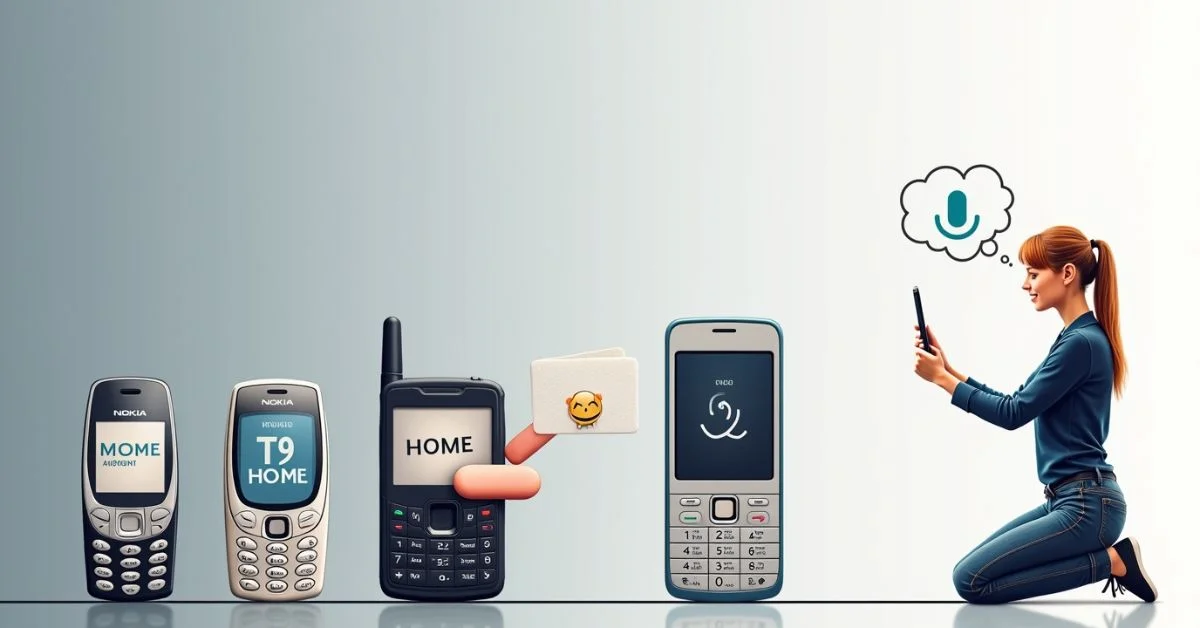
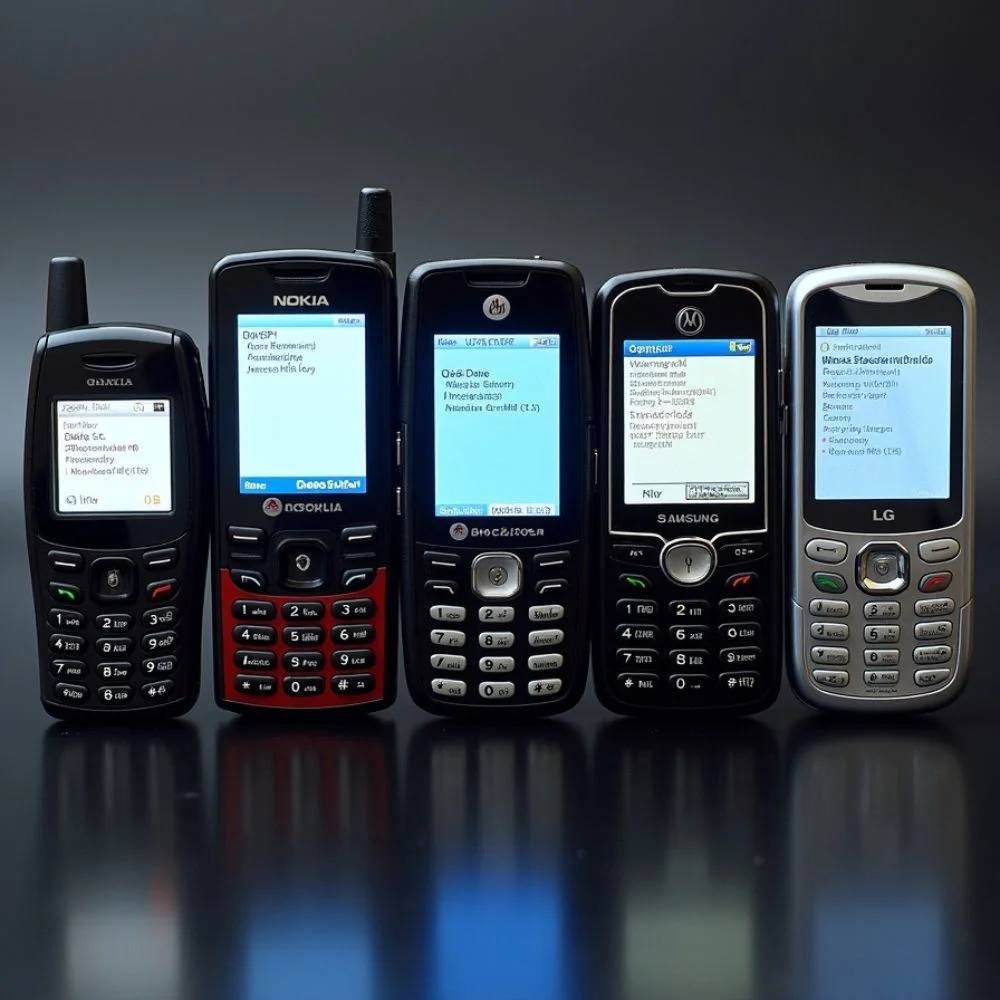 T9 was used in many mobile phones before smartphones took over. Some of the famous phones that used T9 include:
- Nokia 3310
- Motorola Razr
- Sony Ericsson models
- Samsung flip phones
- LG keypads
These phones were everywhere in the early 2000s, and millions of people across the world used T9 to send SMS messages every day.
T9 and Text Messaging
Before messaging apps like WhatsApp, Telegram, or Messenger, people sent SMS (Short Message Service) texts. These were short, usually limited to 160 characters. T9 helped people type these messages quickly.
It became a huge part of mobile communication. Some even say that texting with T9 helped build fast thumb typing habits in younger generations.
Common Tricks with T9
Experienced users had some clever tricks to type even faster using T9. Some of them included:
- Using auto-correct: If a word wasn’t correct, you could press the next key to see other word suggestions
- Adding custom words: Some T9 systems let users save new words to the dictionary
- Combining with symbols: Special characters could be added by holding keys longer or pressing the star key
People got very fast and skilled at using T9. Some could text without even looking at their phone!
T9 and Mobile Games
T9 was also used in early mobile games. Some games, like puzzle or trivia games, used number keys for answers. Since users were already familiar with T9, it made those games easier to control. It added another layer of usefulness to the keyboard.
T9 in Other Languages
T9 wasn’t just for English. It supported many languages like Spanish, French, German, Urdu, and more. It could predict words in other languages just as well, which made it popular worldwide.
This made it easier for people in many countries to use mobile phones for texting and communication.
T9 in Today’s World
Today, most people use touchscreen phones with full QWERTY keyboards. T9 is no longer used by most people. But some older phones are still around, and T9 still works perfectly on them.
There are even apps and keyboards that try to bring back the T9 typing style on smartphones. Some people find it easier to use or just want to relive the feeling of old texting days.
Why Do People Still Love T9?
Even though it’s not used much today, people still talk about T9 because:
- It was simple and reliable
- It worked without internet
- It reminded people of good memories from the early mobile phone era
- It was fast once you learned it
Some people say they typed faster on T9 than on today’s touchscreen keyboards.
Pros and Cons of T9 Keyboard
1. Pros
- Faster than multi-tap typing
- Easy to learn and use
- Smart word prediction
- Worked well on small screens
- Great battery life on T9 phones
2. Cons
- Not good for very long messages
- Mistakes could happen with predictions
- Not ideal for typing special characters or URLs
- Could not type two-letter words easily sometimes
T9’s Place in Mobile History
T9 was more than just a keyboard. It was a tool that connected people, helped them share ideas, feelings, jokes, and stories, at a time when mobile communication was still new.
For many people, it was their first step into digital communication. It made texting a daily habit, which later grew into the way we now chat with apps.
What Came After T9?
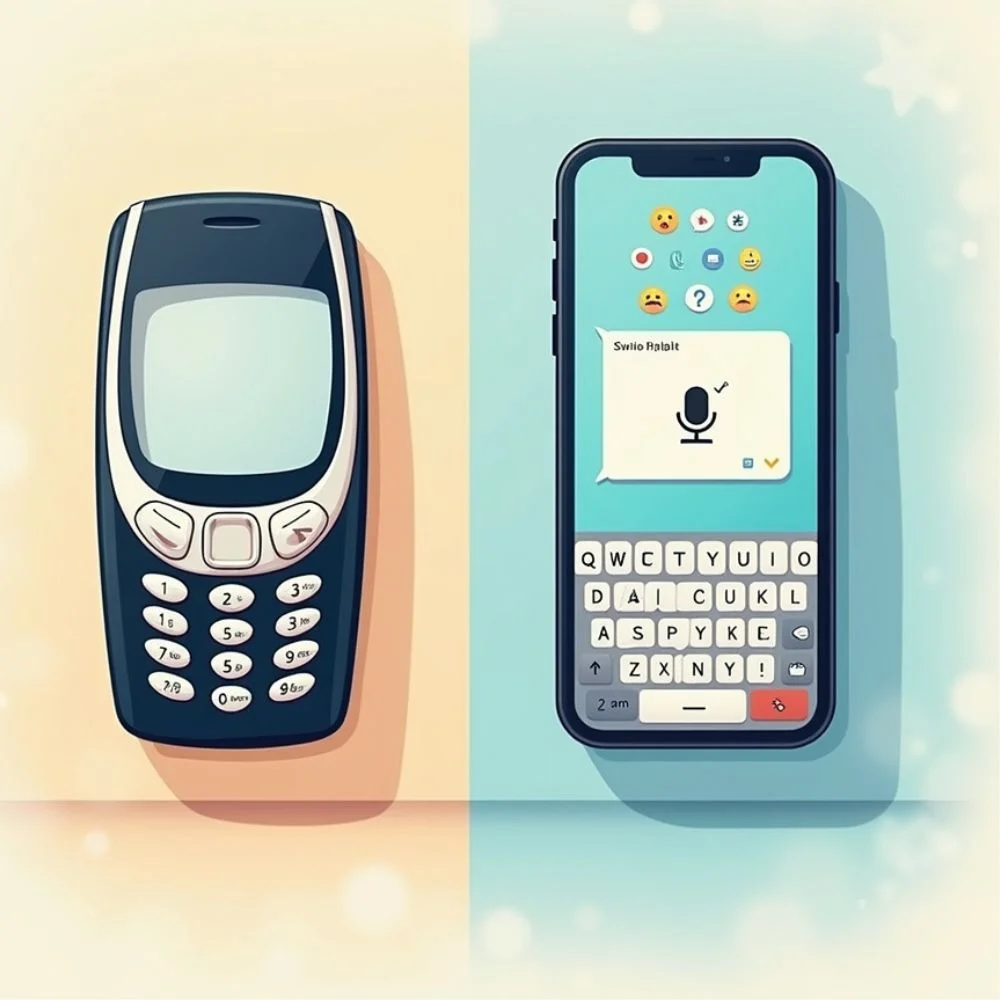 As smartphones became popular, full-screen keyboards replaced the T9 style. Some key developments after T9 included:
- QWERTY Keyboards: On-screen keyboards that matched the computer layout
- Swipe typing: Drag your finger across the screen to type
- Voice typing: Speak and let the phone type for you
- Emoji keyboards: Express feelings with pictures instead of words
These changes made typing even faster and more expressive. But none of it would’ve been possible without the first step, T9.
Final Thoughts
The T9 keyboard was a big part of mobile phone history. It made texting easy at a time when phones were small, simple, and powerful in their own way. It may seem outdated now, but for years it helped people talk, connect, and share their lives.
It’s a reminder that smart design doesn’t need to be complex. Sometimes, less is more—and T9 was the perfect example of that.