
Table of Contents
- Importance of Paying Real Estate Taxes On Time
- Real Estate Tax Due Dates Vary by Location
- Typical Real Estate Tax Payment Schedules
- How to Find Your Property Tax Due Date?
- Ways to Pay Real Estate Taxes
- Escrow and Property Taxes
- What Happens If You Miss a Due Date?
- Tax Relief and Exemptions
- Keep Good Records for Real Estate Taxes
- FAQs
- Final Thought
Knowing when real estate taxes are due is important for every property owner because missing a deadline can result in late fees, added interest, or even a tax lien on the property. These taxes are set by local governments and are used to fund essential public services like schools, police and fire departments, and road maintenance. Staying aware of due dates helps you avoid penalties and ensures your community continues to receive the support it needs.
Importance of Paying Real Estate Taxes On Time
Paying your property taxes promptly helps you avoid complications and ensures your records remain accurate. These tax bills are more than just routine payments—they represent a legal responsibility connected to your ownership of the property.
Missing a payment can result in:
- Late fees and interest
- Legal action by the government
- A claim is being filed against your property due to unpaid taxes.
- Risk of foreclosure in severe cases
Local governments rely on real estate taxes to fund schools, emergency services, infrastructure, and other local needs. When taxes go unpaid, communities suffer too.
Real Estate Tax Due Dates Vary by Location
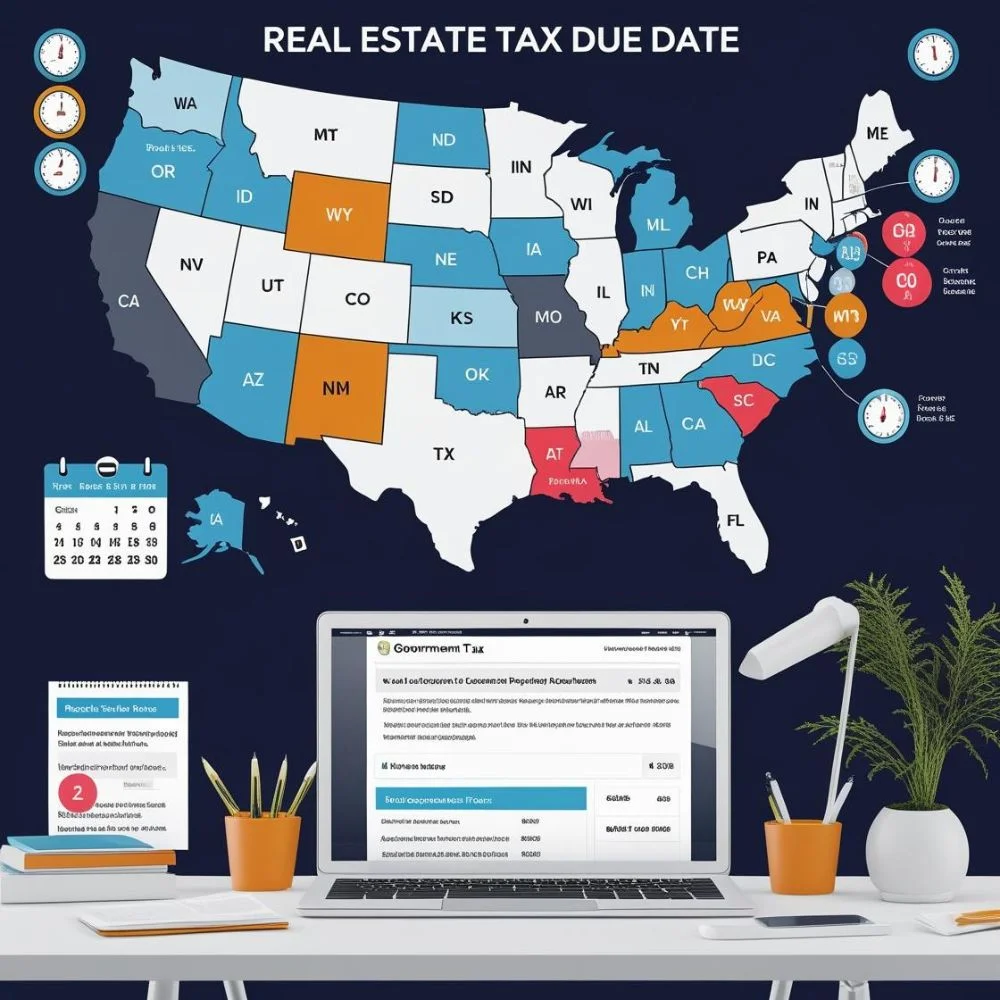
Property tax due dates vary based on your location. Every city, county, or state sets its payment schedule based on local laws and policies. In some areas, property taxes are due once a year, while others may require payments twice a year or even quarterly. Because there is no universal due date, property owners need to know the specific timeline set by their local government. Many tax offices provide annual calendars, mail notifications, or digital alerts to remind residents of upcoming deadlines. You can also find this information by visiting your municipal or county tax assessor’s website. Staying informed about your local tax schedule is essential, as missing a due date can lead to fines, penalties, or legal action even if the mistake was unintentional.
Typical Real Estate Tax Payment Schedules
Many regions follow general patterns when it comes to real estate tax payment schedules, but the exact due dates can still vary from one location to another. For example, some local governments collect property taxes once a year, often in the spring or fall, while others divide the total amount into two payments, typically due in the spring and later in the year, such as fall or winter. In certain places, taxes might even be paid quarterly.
Here are some general guidelines:
- Annually: A single payment is required each year, typically in the spring or fall.
- Biannually: Two payments of equal amount are due, commonly in the spring and fall seasons.
- Quarterly: Payments are split into four quarters across the year.
Some states, like California, have set dates such as:
- First installment: November 1
- Second installment: February 1
Always confirm dates with your county tax collector to avoid surprises.
How to Find Your Property Tax Due Date?
You can find your tax due date in several easy ways:
- Review your mailed property tax bill
- Log in to your city or county tax website
- Call or visit your local tax office
- Review your escrow account if your mortgage payments cover property taxes.
It’s smart to set up digital reminders on your calendar so you won’t forget.
Ways to Pay Real Estate Taxes
Most local governments provide several convenient options for paying property taxes, allowing homeowners to choose the method that best suits their needs. One of the most common ways is online payment through the official website of the county or city tax office, which often accepts credit cards, debit cards, or bank transfers. Homeowners can also mail a check or money order to the address listed on their tax bill. For those who prefer a more personal approach, in-person payments can usually be made at the local tax office. Additionally, if your mortgage includes an escrow account, your lender may collect a portion of the tax each month as part of your mortgage payment and then pay the full amount directly to the tax authority when it’s due.
Choose the one that fits your needs:
- Online Payments: Through the tax collector’s official website
- Mail-in Payments: Send checks to the address listed on your bill
- In-Person Payments: Visit your local tax office
- Escrow Accounts: Lenders often collect and pay taxes on your behalf
Escrow and Property Taxes

If you have a mortgage on your property, your lender may handle your real estate tax payments through a setup known as an escrow account.With this setup, a part of your projected yearly property taxes is included in your monthly mortgage payment. The lender collects this amount each month and stores it in an escrow account. When the tax payment is due, the lender uses the funds to pay the local tax authority for you. This method helps homeowners avoid the stress of remembering payment deadlines and ensures taxes are paid on time. However, it’s still important to regularly review your mortgage statements to make sure the correct amount is being collected and that payments are made accurately and on schedule.
What Happens If You Miss a Due Date?
Missing a property tax deadline can result in various consequences:
- Late Fees: Additional charges, either a flat rate or a percentage of the amount owed
- Interest Accrual: Ongoing monthly interest until the full balance is paid
- Tax Lien: A legal claim placed on your property due to unpaid taxes
- Foreclosure Risk: In severe cases, the government may take ownership of your home
If you’ve missed a due date, act quickly. Reach out to your local tax office to inquire about possible grace periods or payment arrangements.
Tax Relief and Exemptions

Many states offer property tax relief programs for:
- Veterans
- Low-income households
- Disabled homeowners
These programs may reduce your property taxes or allow you to postpone payments. Eligibility often depends on meeting certain requirements, and annual reapplication is typically needed. Reach out to your local assessor’s office to find out if you’re eligible.
Keep Good Records for Real Estate Taxes
Keeping records of your tax bills and payments is important because it helps you stay organized and avoid future problems. These records serve as proof that you paid your real estate taxes on time, which can be useful if there’s ever a dispute or if you need to show payment history when selling your home or filing your income taxes. Having clear, accurate records also makes it easier to track expenses and manage your finances year after year.
Save copies of:
- Annual tax bills
- Payment receipts
- Notices from the tax office
- Escrow summaries from your lender
These records help resolve any disputes and assist when filing taxes or selling your home.
FAQs
1. When are real estate taxes typically due?
Property tax deadlines differ depending on the state and county where the property is located. Some areas require annual payments, while others have biannual or quarterly schedules. Always check with your local tax office for exact dates.
2. What happens if I miss the property tax deadline?
Missing a deadline may lead to late fees, interest charges, and eventually a tax lien on your property. In some cases, continued non-payment can result in foreclosure. Contact your local authority immediately if you’re late.
3. Can I pay real estate taxes online?
Yes, most counties offer online payment options through their official websites. You can also usually pay by mail, in person, or through your mortgage escrow account.
4. What is an escrow account for property taxes?
An escrow account is a special account handled by your mortgage lender, used to set aside funds from your monthly mortgage payments to cover your property taxes. The lender uses this money to pay your tax bill when it’s due.
5. How can I keep track of my property tax payments?
Save copies of all tax bills, payment confirmations, escrow statements, and communications with your tax office. Digital calendars and reminders can also help you track due dates efficiently.
Final Thought
Staying informed about when real estate taxes are due protects your property and finances. Whether you’re paying directly or through escrow, always know your deadlines, payment methods, and local requirements. Use reminders, keep good records, and reach out to your local tax office if you need help. Staying ahead of property tax deadlines helps you avoid late fees, liens, and financial stress.