
Table of Contents
Playing chess is more than just moving pieces it’s about thinking ahead, understanding patterns, and making smart choices. To win more games, you need to learn smart chess moves that give you an advantage from the start to the finish. In this guide, you’ll get easy tips, strategies, and ideas to improve your game and win more often.
Smart Chess Moves Matter
When you make smart chess moves, you don’t just play, you control the game. A smart move helps you:
- Protect your king
- Develop your pieces early
- Gain control of the board
- Predict your opponent’s next step
Whether you’re a beginner or an intermediate player, using smart strategies helps you stay ahead and increases your chances of winning.
Learn the Basics First
Before learning smart moves, you must know the basics of chess. Each piece has its own movement rules:
- Pawn: Moves forward, captures diagonally
- Rook: Moves in straight lines, both sideways and forward/backward
- Knight: Moves in an “L” shape
- Bishop: Moves diagonally
- Queen: Moves in all directions
- King: Moves one square in any direction
Understanding these rules lets you see how pieces work together to form powerful combinations.
Focus on the Opening Strategy
The first 10–15 moves in chess are called the opening. A smart chess opening gives you control and prepares your pieces for battle.
Best Practices for a Smart Opening
- Control the center of the board with pawns (especially e4, d4)
- Develop knights and bishops early (before rooks and queen)
- Don’t move the same piece twice in the opening unless necessary
- Avoid early queen moves
- Castle early to protect your king
These simple habits lead to a solid and safe position on the board.
Master Tactics for Smart Play
Chess tactics are short-term tricks or patterns that help you gain material or checkmate. Some popular ones include:
Key Tactical Patterns
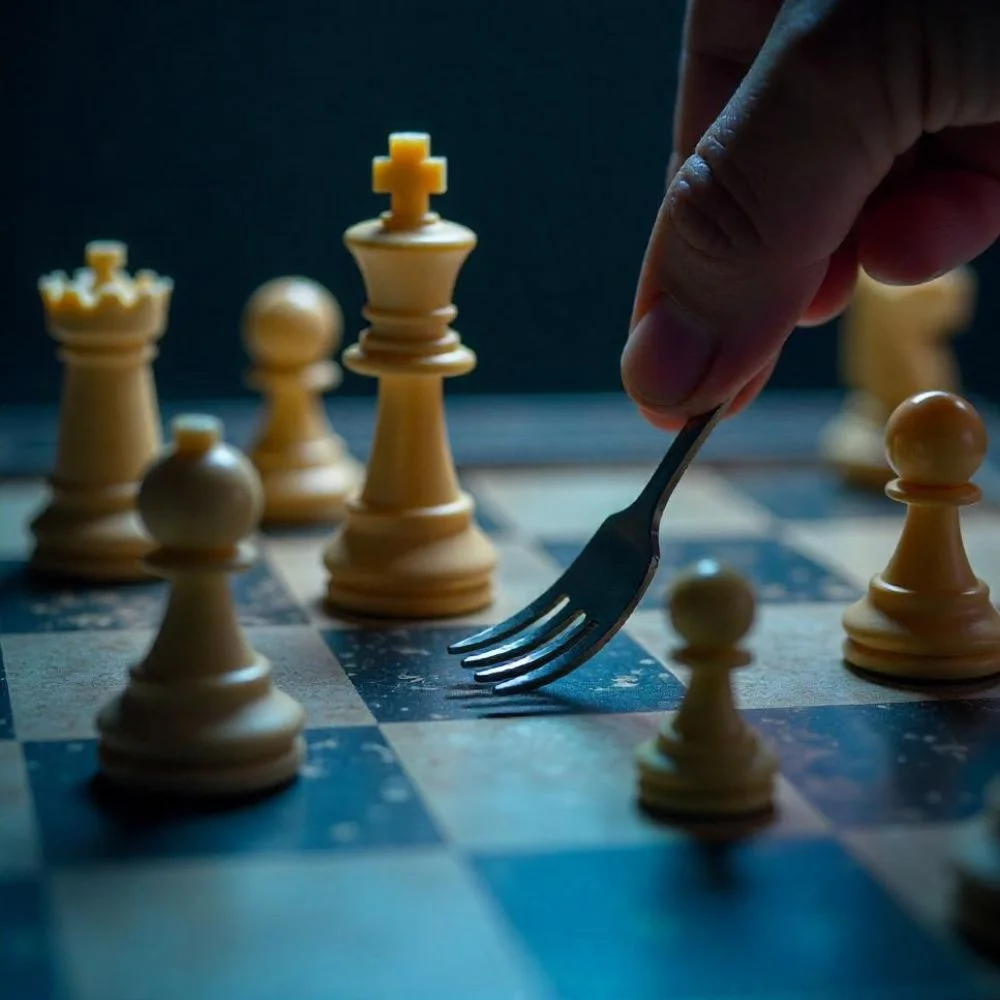
- Forks: One piece attacks two or more enemy pieces at once
- Pins: A piece can’t move because it protects a more valuable piece
- Skewers: A stronger piece is attacked and forced to move, exposing a weaker piece
- Discovered Attacks: Move one piece to uncover an attack by another
These smart chess moves can surprise your opponent and give you an advantage.
 Think Ahead Use Strategy
A smart chess player doesn’t just play the next move. They plan 2 to 3 moves ahead. Strategic thinking helps you:
- Spot weak squares in the enemy camp
- Plan piece exchanges that benefit you
- Set traps or defend against them
- Improve your worst-placed piece
Strategy keeps you ready for surprises and in control of the game’s direction.
Avoid Common Mistakes
Even experienced players make simple mistakes that cost them the game. Here are smart moves to avoid them:
Mistakes to Watch Out For
- Moving too fast – Think before you act
- Neglecting king’s safety – Always castle early
- Ignoring piece value – Don’t trade a queen for a pawn
- Over-attacking – Make sure your pieces are protected
- Underestimating threats – Check what your opponent is planning
By playing safe and smart, you avoid traps and blunders.
Use the Endgame to Win
A smart chess move in the endgame can seal your win. The board has fewer pieces now, so accuracy is key.
Endgame Tips for Smart Moves
- Use your king actively it’s now a strong piece
- Promote pawns carefully by supporting them with other pieces
- Control key squares like promotion paths and escape points
- Know basic checkmates like king and rook vs king
Practice simple endings so you can finish strong.
Smart Chess Moves in Defense
Defense is just as important as attack. Learning smart defensive moves can help you survive and turn the tables.
How to Defend Smartly?
- Block threats instead of running from them
- Trade pieces when you are under pressure
- Keep your pieces close and protect weak squares
- Stay calm—don’t panic after an attack
Smart defense can frustrate your opponent and force errors.
Practice Regularly with a Purpose
One of the best smart chess moves is not on the board—it’s in your routine. Practicing regularly helps you improve faster.
Practice Smart, Not Just Hard
- Play games with a time control to train focus
- Solve puzzles daily for tactical practice
- Analyze your games and fix mistakes
- Learn from stronger players online or offline
Consistency is what turns a good player into a smart, strong one.
Use Smart Tools and Resources
Technology can help you sharpen your skills. These tools make learning easy and fun.
Best Tools to Learn Smart Chess Moves
- Chess.com or Lichess.org – Play, learn, and practice
- YouTube chess tutorials – Free, simple lessons
- Chess puzzles apps – Solve tactical problems anytime
- Books and PDFs – Learn deeper strategies and tips
Combining real play with smart study helps you grow fast.
Build a Smart Chess Mindset
Being smart in chess is not just about moves; it’s about attitude. A positive mindset leads to better decision-making.
Traits of a Smart Chess Player
- Patience: Wait for the right move
- Discipline: Stick to your plan
- Confidence: Trust your skills
- Curiosity: Always eager to learn new things
Keep your mind open, stay humble, and grow from every win or loss.
Conclusion
Learning smart chess moves is the key to winning more games. From opening strategies to endgame tactics, every move should have a purpose. Use your knowledge wisely, avoid careless mistakes, and always think a few steps ahead. Whether you’re playing online, at home, or in a tournament, smart thinking will make you a better player.