
Table of Contents
- What Is Padel and Why It’s Popular?
- Basic Rules of Padel
- Right Gear for Padel Beginners
- Court and Game Layout
- Learn to Serve in Padel
- Forehand and Backhand Techniques
- Using the Walls Effectively
- Padel Positioning for Doubles Play
- Footwork and Body Movement
- Beginner Mistakes and How to Avoid Them
- Padel Fitness and Warm-up Tips
- Join Local Padel Clubs or Groups
- Conclusion
Padel is one of the fastest-growing racket sports in the world. It’s fun, social, and easier to learn than tennis. This helps you learn to play Padel from scratch. You’ll understand the basic rules, techniques, equipment, and tips to improve your game quickly. Whether you’re just starting or switching from another sport, this guide gives you the tools to step onto the court with confidence.
What Is Padel and Why It’s Popular?
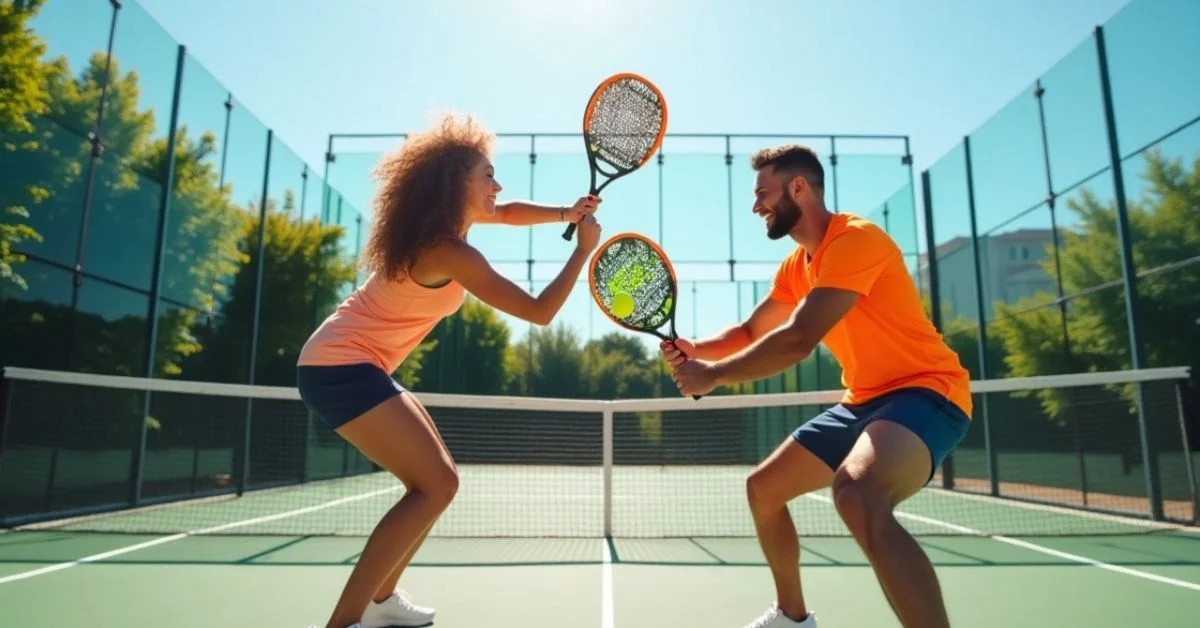
Padel is a mix of tennis and squash. It’s usually played in doubles on a smaller court surrounded by glass walls. You score points like tennis, but the ball can bounce off walls during play.
Reasons for padel’s rising popularity:
- Easy to pick up even for beginners
- Fast-paced but less physically demanding than tennis
- Great for socializing and team play
- Suitable for all age groups
If you’re trying to learn to play padel, knowing what makes it enjoyable gives you more motivation to play regularly.
Basic Rules of Padel
Understanding the basic rules is your first step to start playing Padel. The scoring system is the same as tennis: 15, 30, 40, and game. You must win by at least two points.
Key rules to remember:
- The ball must bounce once before hitting the walls.
- You serve underhand and the ball must bounce in the opposite diagonal square.
- You can use the walls after the ball bounces on the ground.
- The ball must stay within the court’s boundaries.
- Games are usually best-of-3 sets.
These basic rules make padel easy to follow and quick to enjoy.
Right Gear for Padel Beginners
When you learn to play padel, you don’t need a lot of expensive equipment. But the right gear can help you feel comfortable and safe.
Essentials to Get Started
- Padel Racket: Shorter and perforated, lighter than tennis rackets.
- Padel Balls: Slightly less pressurized than tennis balls.
- Grip and Overgrip: Helps you hold the racket firmly.
- Sports Shoes: Use padel or tennis shoes for better grip and ankle support.
- Comfortable Clothing: Choose lightweight and breathable outfits.
Choosing good beginner-level equipment makes a big difference in how quickly you improve.
Court and Game Layout
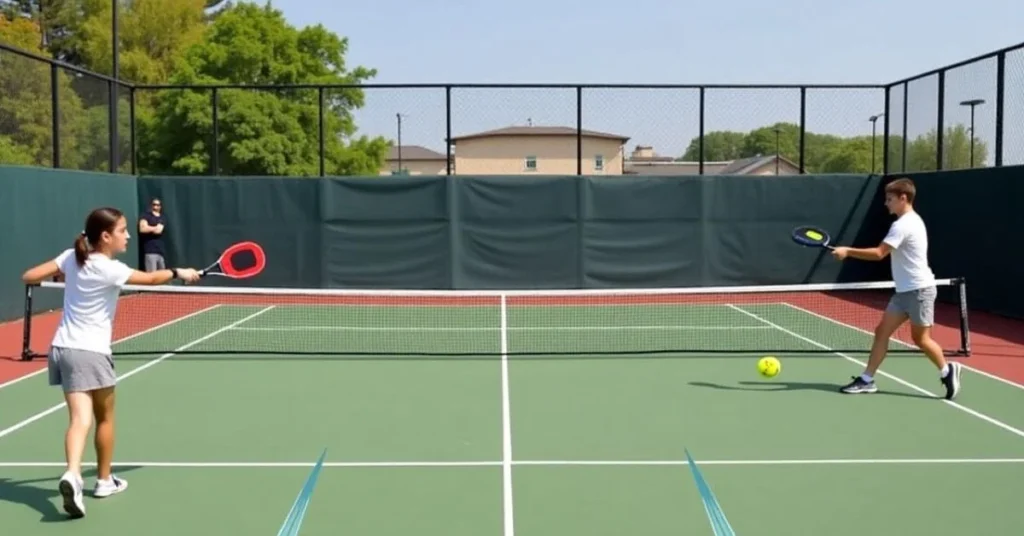
Understanding the layout of a padel court helps you move better and play smarter.
1. Standard Court Features
- Size: 20 meters long by 10 meters wide
- Net in the center dividing two sides
- Glass or mesh walls on all sides
- Service boxes similar to tennis
2. Movement Tips for Beginners
- Stay in the middle when not hitting
- Communicate with your partner often
- Use side steps to stay balanced
Knowing the court layout helps beginners avoid confusion and make better decisions during play.
Learn to Serve in Padel
Serving is the starting point of every point, and learning it well gives you an edge.
1. Serve Basics for Beginners
- Stand behind the service line and serve underhand.
- The ball must bounce once before hitting it.
- Hit diagonally into your opponent’s service box.
2. Serving Tips
- Practice hitting to the corners.
- Use slice or flat serve for better control.
- Keep your toss low and consistent.
Good serving skills are key when you learn to play padel, especially in the early stages.
Forehand and Backhand Techniques
To improve your shots, mastering the basic strokes is essential.
1. Forehand Basics
- Use continental grip.
- Swing low to high.
- Aim to hit cleanly in front of your body.
2. Backhand Tips
- Use both hands if needed for better control.
- Keep your eye on the ball at all times.
- Finish the stroke with a follow-through.
Learning these techniques slowly and with consistency is crucial for beginners who want to play padel well.
Using the Walls Effectively
Walls are what make Padel unique and fun. They’re not just obstacles, they’re tools you can use.
1. How to Use Walls for Defense?
- Let the ball bounce off the wall to give you time.
- Hit a soft return when retrieving from the back wall.
2. Wall Shots for Offense
- Hit powerful shots that bounce off walls and confuse opponents.
- Practice playing rebounds that come fast and low.
- Mastering wall use is a big step in your journey to learn to play padel.
Padel Positioning for Doubles Play
Since Padel is usually played in doubles, teamwork and positioning are key.
1. Basic Positions
- One player near the net (attacking)
- One player near the baseline (defending)
- Switch roles based on who hits the ball
2. Communication Tips
- Call for the ball loudly and clearly.
- Use hand signals if needed.
- Trust your partner and stay connected.
Playing in sync with your partner helps avoid errors and improves team success.
 Footwork and Body Movement
Great footwork gives you better shot control and quicker reaction.
1. Tips to Improve Movement
- Always stay on your toes.
- Use small, fast steps instead of big lunges.
- Practice split steps before your opponent hits.
2. Common Mistakes to Avoid
- Standing flat-footed
- Running instead of sidestepping
- Overreaching instead of positioning
As you learn to play padel, developing efficient movement is just as important as racket skills.
Beginner Mistakes and How to Avoid Them
Every beginner makes mistakes. Being aware of them helps you improve faster.
1. Top Mistakes
- Trying to hit too hard too soon
- Ignoring wall use
- Not communicating with your partner
- Wrong footwork
- Poor racket grip
2. Quick Fixes
- Focus on control, not power
- Watch experienced players
- Practice consistently
- Take beginner lessons if needed
Avoiding these habits early will help you stay confident and excited as you learn to play padel.
Padel Fitness and Warm-up Tips
Even though Padel is fun, it still requires fitness and preparation.
1. Simple Warm-Up Routine
- Jog for 5 minutes
- Do arm circles and wrist rolls
- Practice shadow swings
- Light stretching for legs and arms
2. Why Fitness Matters?
- Reduces the risk of injury
- Improves speed and balance
- Helps in longer rallies
A warm-up is an important part of every session when you’re learning to play padel regularly.
Join Local Padel Clubs or Groups
Joining a club or group improves your game faster than playing alone.
1. Benefits of Group Play
- Meet other beginners and advanced players
- Get feedback and support
- Stay motivated with friendly competition
2. Ways to Find Padel Groups
- Search for local padel clubs
- Use apps like Playtomic or Meetup
- Ask friends or gyms with padel courts
Playing with others keeps your game fun and helps build new skills.
Conclusion
Padel is a sport you can fall in love with very quickly. It’s easy to begin but full of depth. When you learn to play padel, you enter a world of fast fun, social energy, and long-term skill development. Start with basic techniques, understand the rules, practice often, and enjoy the process. You don’t have to be perfect, you just have to play. Over time, you’ll notice improvements in your game, fitness, and confidence. So grab your racket, hit the court, and enjoy every moment of learning to play padel.