
Table of Contents
- Why Tokyo in 2025 Is the Perfect Destination?
- When to Visit Tokyo in 2025?
- Consider The Events Calendar
- Booking Flights and Accommodation in Advance
- Transportation Tips
- Iconic Sights and Hidden Gems in Tokyo
- What to Eat in Tokyo?
- Cultural Etiquette
- Budgeting for Tokyo
- Packing for Your Tokyo Adventure
- Final Thoughts
Why Tokyo in 2025 Is the Perfect Destination?
Tokyo always welcomes visitors but 2025 offers something truly special. With global tourism back in full swing and Japan continuing to blend tradition with modern innovation, the capital city is buzzing with energy. Whether it’s your first time or your fifth, Tokyo has something magical waiting for you.
Tokyo is massive, fast-paced and unlike any other city on Earth. Planning a trip here isn’t just about booking flights and hotels. It’s about knowing where to go, what to eat, how to get around and how to make the most of every yen you spend?
When to Visit Tokyo in 2025?
Cherry Blossoms or Fall Leaves?
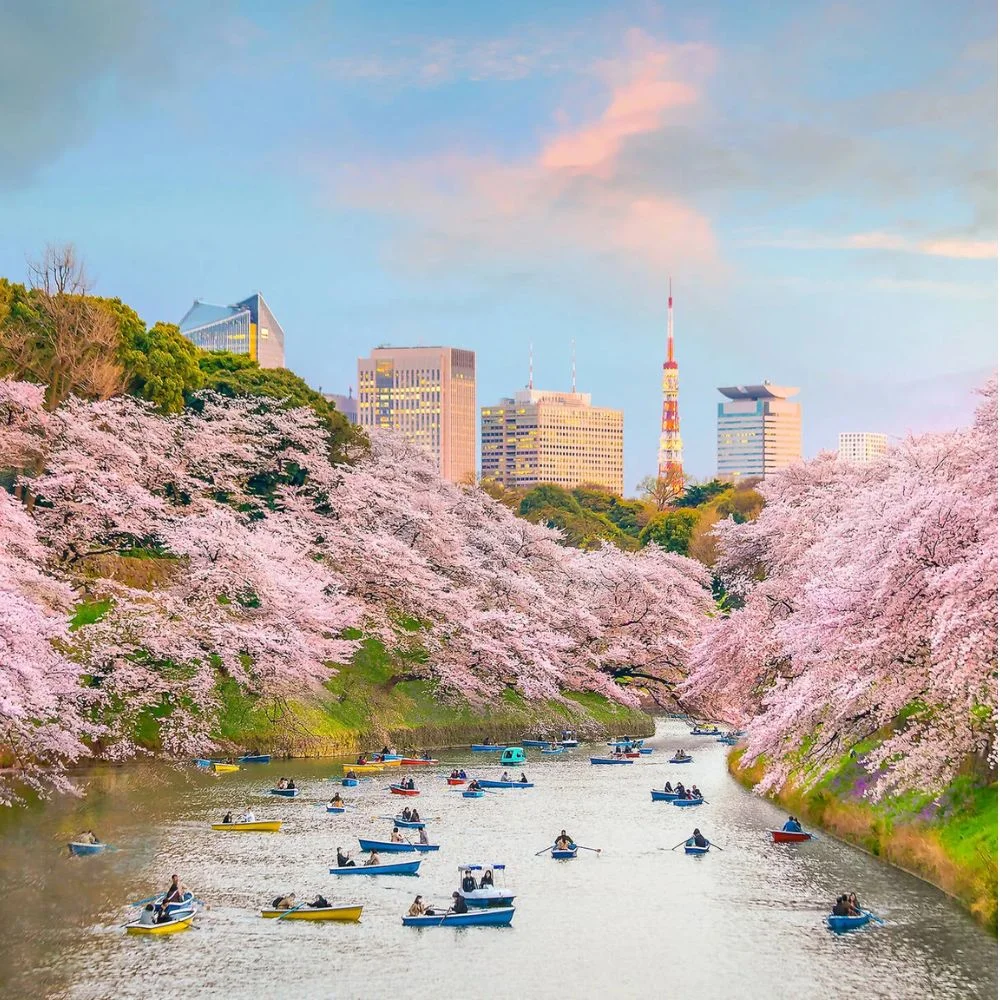
One of the most important parts of planning your Tokyo trip is choosing the right time to visit. While Tokyo is a year-round destination, spring and autumn are undeniably the stars.
- Spring (late March to early April): Think iconic cherry blossoms at Ueno Park or along the Meguro River. Be sure to check bloom forecasts, which usually release in January.
- Autumn (October to November): You’ll find golden gingko trees and fiery maple leaves in places like Yoyogi Park and Mount Takao.
Consider The Events Calendar
In 2025, Tokyo will host a series of events from tech expos to anime conventions and seasonal festivals. For instance:
- Sanja Matsuri (May): A lively, traditional Shinto festival in Asakusa.
- Tokyo Game Show (September): A must for gamers and pop culture fans.
- Sumidagawa Fireworks Festiva: In July, Tokyo hosts the Sumidagawa Fireworks Festival, lighting up the sky with its biggest summer display.
Planning around these events can add an unforgettable layer to your trip but also be aware that hotels book up fast during peak periods.
Booking Flights and Accommodation in Advance
1. Flights: Book Early for Best Deals
International flights to Tokyo land at either Narita International Airport (NRT) or Haneda Airport (HND). Haneda is closer to the city, while Narita often serves more long-haul international flights.
To save money:
- Book flights at least 3–6 months in advance.
- Track flight prices with tools such as Google Flights or Hopper to find the best deals.
- Be flexible with your dates midweek flights are often cheaper.
2. Where to Stay?
Tokyo has 23 wards and countless neighborhoods, each with its vibe. Here are a few popular ones:
- Shinjuku: Bustling nightlife, shopping, and access to major train lines.
- Shibuya: Trendy, youthful energy with Instagrammable spots like Shibuya Crossing.
- Asakusa: Old-school Tokyo with temples and street food.
- Ginza: Luxury shopping and upscale dining.
- Akihabara: Heaven for tech lovers and anime fans.
Pro tip: Pick a hotel or Airbnb near a JR Yamanote Line station to make getting around a breeze.
Transportation Tips
The Rail System: Master the Map
Tokyo’s public transportation is clean, efficient and a bit overwhelming at first. Don’t worry you’ll quickly figure it out.
- Get a Suica or Pasmo IC card at the airport or station. These rechargeable cards work on nearly all buses, subways and even some vending machines.
- Make route planning simple by downloading the Tokyo Subway Navigation app.
- The JR Yamanote Line is a lifesaver it loops around major districts like Shinjuku, Shibuya, and Ueno.
Avoid rush hours (7:30–9:30 a.m. and 5–7 p.m.) unless you enjoy being packed like sushi rolls.
Taxis and Ridesharing: When to Use Them
Taxis in Tokyo offer a safe and clean ride, but they can cost more than other options. Consider them only if:
- You’re out past the last train (usually midnight).
- You’re carrying heavy luggage.
- You’re traveling with family or older people.
Uber operates in Japan but local apps like GO or JapanTaxi are more widely used.
Iconic Sights and Hidden Gems in Tokyo
Must-See Attractions
Here’s your short list of classic Tokyo spots:
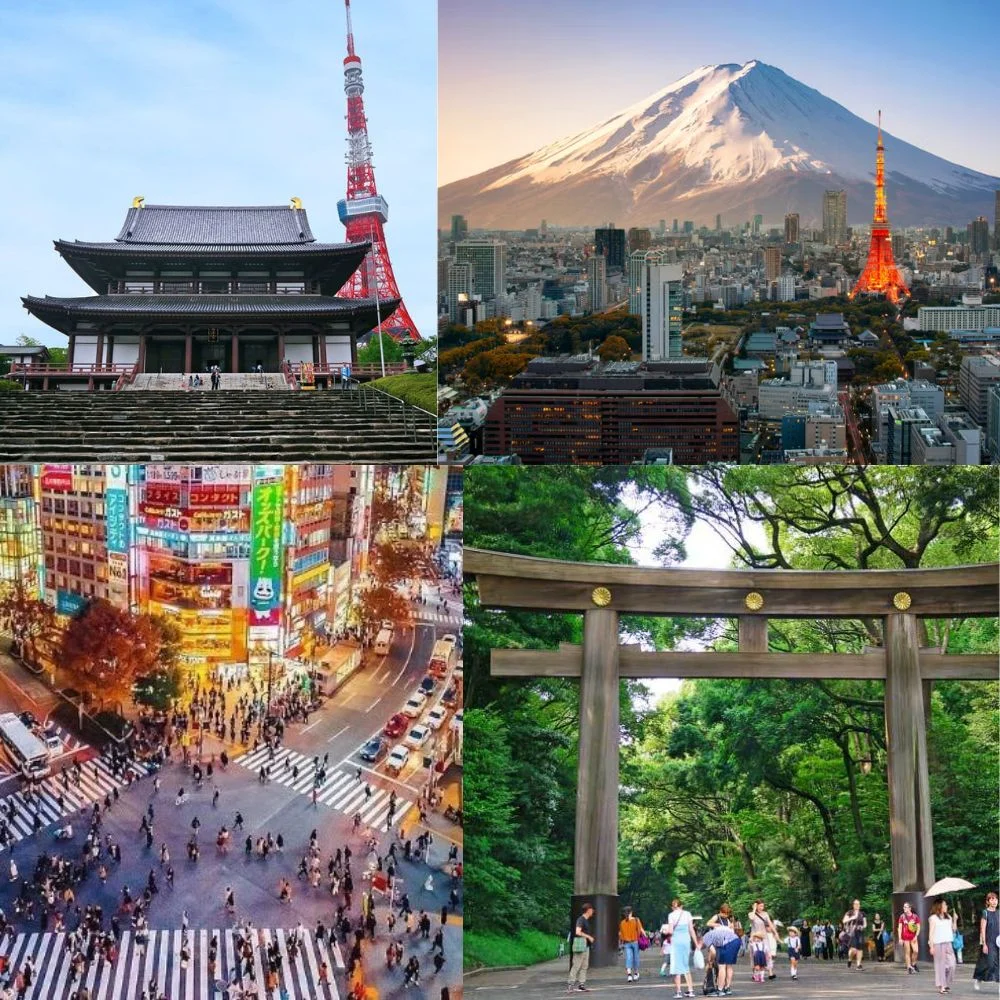
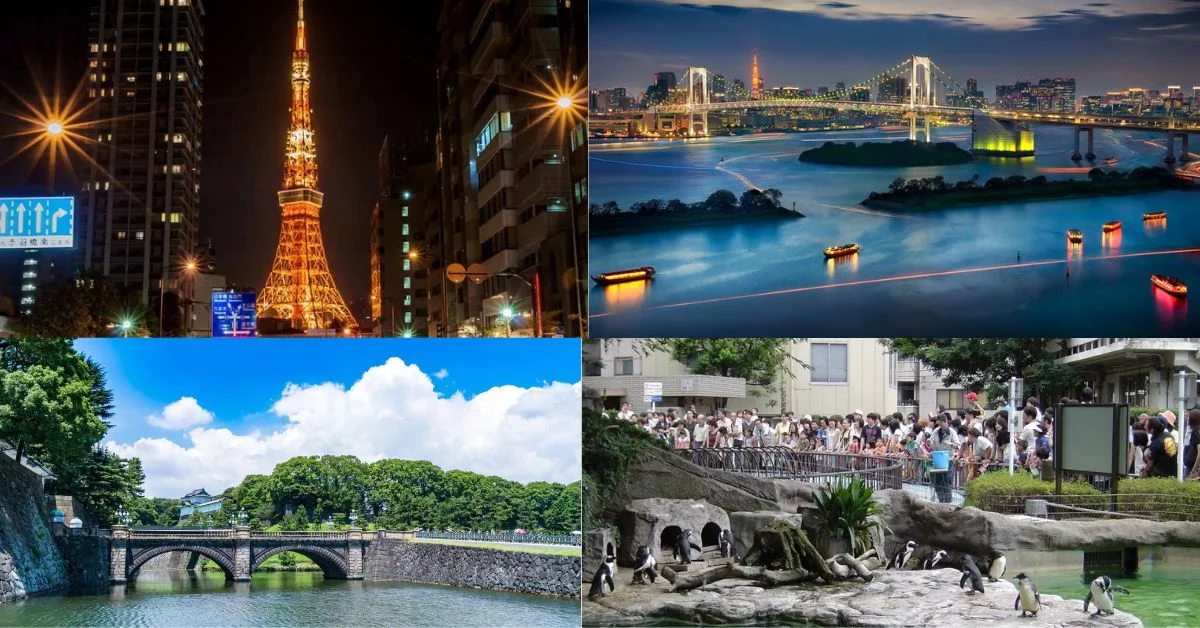
- Tokyo Skytree: The tallest structure in Japan with an amazing city view.
- Senso-ji Temple: Visit Senso-ji Temple, the oldest in Tokyo, located in the vibrant Asakusa district.
- Meiji Shrine: Serene and spiritual, located near Harajuku.
- Shibuya Crossing: The famous scramble intersection best viewed from the Starbucks across the street.
- Tsukiji Outer Market: Perfect for sushi lovers and street food explorers.
Hidden Gems
Want something less touristy?
- Yanaka Ginza: A retro neighborhood that survived WWII quiet, charming and full of cat cafés.
- Kagurazaka: A French-influenced area with winding alleys and hidden restaurants.
- Oedo Onsen Monogatari: A hot spring theme park for the full onsen experience without leaving the city.
What to Eat in Tokyo?
Street Food and Snacks

Start with these:
- Takoyaki (octopus balls)
- Taiyaki (fish-shaped pancakes with red bean or custard)
- Karaage (Japanese fried chicken)
- Yakisoba (fried noodles)
- Visit Ameya-Yokocho near Ueno Station for street snacks galore.
Restaurants and Etiquette
Tokyo is home to more Michelin-star restaurants than any other city. But great food doesn’t have to be expensive. Try:
- Conveyor belt sushi at Sushiro or Genki Sushi
- Affordable ramen at Ichiran or Afuri
- Beef bowls at Yoshinoya or Matsuya
Restaurant etiquette tips:
- Wait to be seated, even in small places.
- It’s polite to slurp noodles it shows appreciation.
Don’t tip; it’s not part of Japanese culture and may confuse staff.
Cultural Etiquette
1. Basic Do’s and Don’ts
Tokyo locals are polite and reserved. To show respect:
- Do bow slightly when greeting or thanking someone.
- Do stand on the left side of escalators.
- Don’t talk loudly on public transport.
- Don’t eat while walking (unless you’re in a designated area like a festival).
2. Language: Do You Need Japanese?
Most signs and menus in Tokyo include English, especially in tourist areas. However, learning a few basics goes a long way:
- Arigatou gozaimasu (Thank you)
- Sumimasen (Excuse me / Sorry)
- Eigo wa hanasemasu ka? (Do you speak English?)
Use Google Translate’s camera feature to read signs or menus with ease.
Budgeting for Tokyo
While Tokyo has a rep for being pricey, it’s surprisingly flexible depending on your choices.
|
Category |
Budget Daily | Mid-range Daily |
Luxury Daily |
| Lodging | $40–$80 | $100–$200 | $300+ |
| Food | $20–$40 | $50–$100 | $200+ |
| Transportation | $5–$10 | $10–$20 | $30+ |
| Attractions/Souvenirs | $10–$30 | $30–$70 | $100+ |
Use cash for small purchases, but credit cards are increasingly accepted, especially in hotels and department stores.
Packing for Your Tokyo Adventure
Don’t overpack Tokyo has everything you need. But do bring:
- Comfortable walking shoes
- A reusable water bottle
- Power adapter (Japan uses Type A/B plugs, 100V)
- Light layers and a foldable umbrella
- Extra room in your luggage for souvenirs.
Final Thoughts
Planning your 2025 trip to Tokyo doesn’t have to be overwhelming. With the right tips, tools, and timing, you can experience the vibrant blend of ancient tradition and futuristic flair that makes this city so unforgettable.
Whether you’re wandering through centuries-old temples, sipping matcha in a garden café, or marveling at the neon lights of Shinjuku, Tokyo has a way of staying with you long after you leave.