
Table of Contents
- Why Games Help Improve Classroom Behavior?
- How to Select the Best Game for Each Classroom Need?
- Always Start with Clear Expectations
- Keep All Games Short, Simple, and Focused
- Classroom Management Game Examples That Truly Work
- Use Points, Praise, and Rewards to Keep Students Motivated
- Modify Games for All Age Groups
- Support Emotional and Social Growth with Games
- Use Games as a Daily Routine to Build Habits
- Balance Fun with Classroom Structure and Control
- Evaluate, Reflect, and Adjust Your Game Plan
- Conclusion
Classroom management is one of the most important parts of teaching. Without structure, students struggle to focus, lessons are interrupted, and learning slows down. Many teachers turn to behavior charts or strict rules, but these don’t always work long-term. A more positive and fun solution is using classroom management games that work. These games are more than entertainment. They are carefully chosen activities that guide behavior, improve focus, and make learning time smooth and enjoyable.
Why Games Help Improve Classroom Behavior?
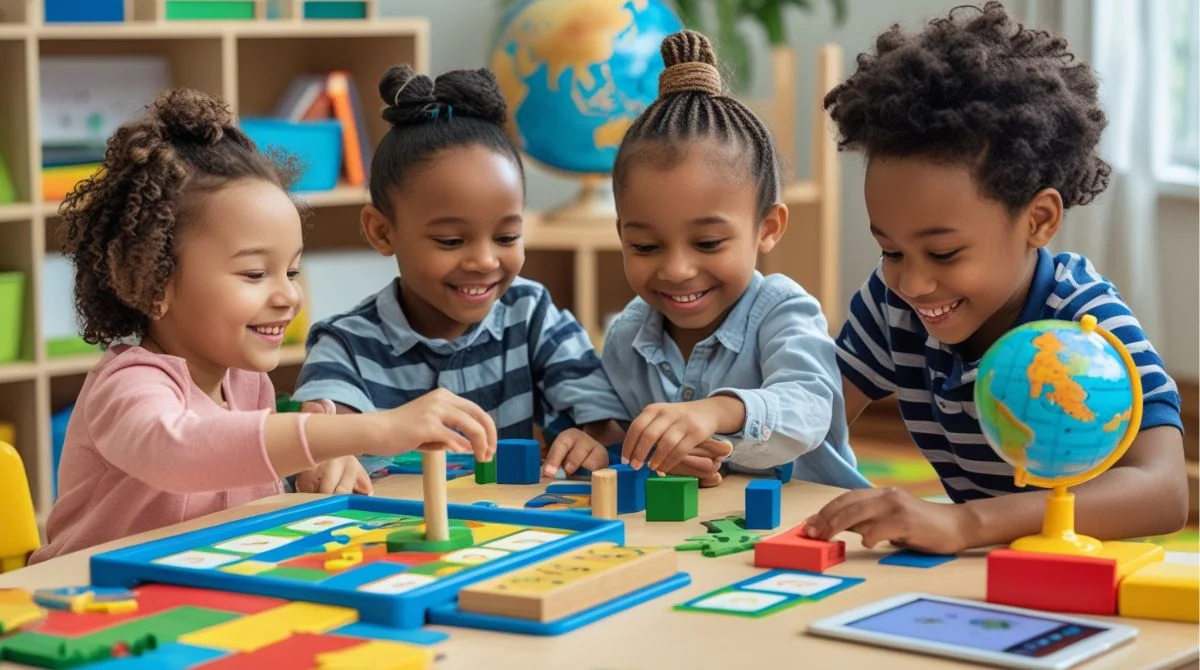
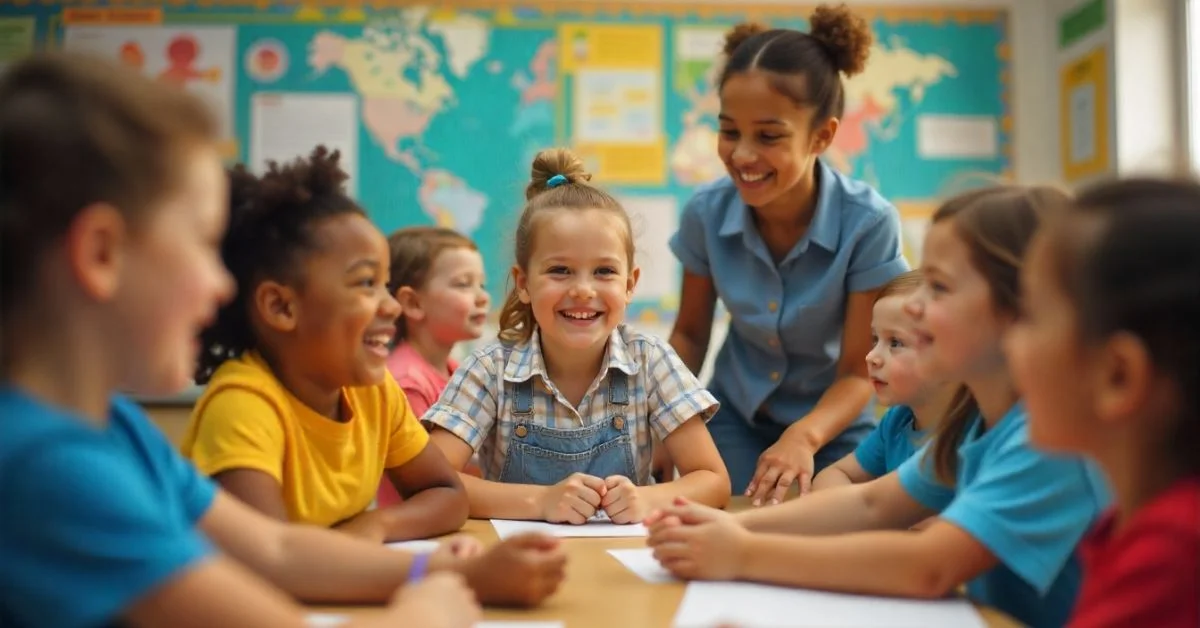
Games play a powerful role in building structure in the classroom. Instead of always reacting to problems, teachers can use games to prevent them. Games naturally motivate students to listen, follow instructions, and participate. They replace arguments and warnings with positive energy. When students know that good behavior leads to fun activities, they start to make better choices without being forced. Over time, this builds trust and respect. A classroom with games feels safe and well-managed because routines become something to enjoy rather than resist.
How to Select the Best Game for Each Classroom Need?
Different moments during the school day call for different types of games. The key to success is choosing classroom management games that work for your specific goals. If your students are restless after recess, choose a calming game. If you need to get everyone’s attention quickly, pick a fast-paced focus game. For behavior tracking, choose a reward-based game that motivates students to stay on task. You can also use games to build teamwork, teach kindness, or help with transitions between subjects. By matching the game to the need, you guide students without forcing them. Over time, they understand that every game has a purpose and that it helps make the class better for everyone.
Always Start with Clear Expectations
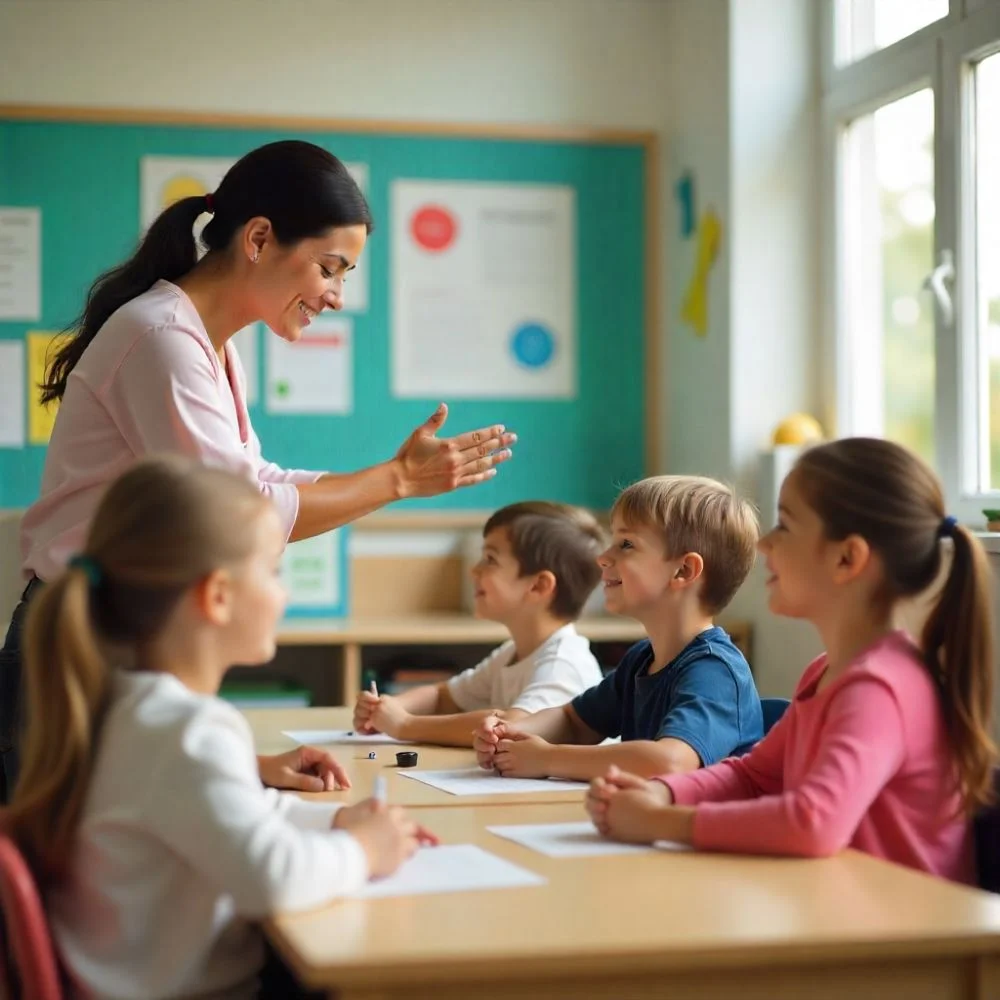
Before starting any game, you need to explain the rules clearly. Games may seem fun and easy, but without structure, they can quickly turn into chaos. Set expectations by telling students exactly how the game works, how they should behave, and what will happen if they don’t follow the rules. Use simple, firm language. Make sure everyone knows the goal of the game and understands how to win or succeed. This prepares the class and sets the right tone. When expectations are clear, games run smoothly, and students are more focused and respectful. If problems do happen, you can quickly remind students of the agreed-upon rules and take action without losing time.
Keep All Games Short, Simple, and Focused
Classroom time is limited, and games should support learning, not replace it. That’s why short games work best. Most classroom management games that work take between two to ten minutes. When games are short, students stay interested and avoid getting too excited. This helps you control the class while still building enjoyment. Simple games also take less time to explain, making them easier to use during busy days. Use games to break tension, reset focus, or energize students for the next activity. If a game goes on too long, it can become a distraction.
Classroom Management Game Examples That Truly Work
Many teachers turn to proven classroom management games that work because they are simple, effective, and easy to use. A common example is Silent Line-Up, where students quietly line up in a specific order, like by birthday or height, without speaking. It builds listening skills, cooperation, and patience. Another popular game is Beat the Clock, where students race against a timer to clean up or get ready. Quick success earns points or praise. Mystery Student also promotes positive behavior. The teacher secretly selects a student, and if they follow the rules all day, they’re revealed and rewarded. This keeps everyone motivated. Compliment Chain builds class unity by having students share kind words.
For younger learners, Freeze Game offers playful focus. Students dance to music, then freeze when it stops. Each of these games helps reinforce good habits in a fun, low-pressure way.
Use Points, Praise, and Rewards to Keep Students Motivated
Games become more effective when they are tied to a reward system. This gives students a reason to follow rules and try their best. A points system works well with groups. You can give each table or team a point when they complete a task quietly or help one another. Over time, the team with the most points can earn a small prize or special privilege. Individual rewards, such as stickers or stars, work well too, especially for younger students. Praise also works as a strong motivator. Saying “great job” or “thank you for being ready” in front of others helps reinforce good behavior.
Modify Games for All Age Groups
The best part about using classroom management games that work is that you can use the same ideas across all grade levels by making small changes. For younger students in kindergarten or early elementary, games should be visual, physical, and easy to follow. Movement-based activities and songs work very well. For older students in middle or high school, add a layer of strategy or teamwork to make the game more engaging. You can also involve students in setting the game rules or tracking their scores. Adjust the tone and difficulty to match the age group so the game still feels meaningful and fun.
Support Emotional and Social Growth with Games
Good behavior doesn’t only come from rules. It also grows from emotional skills like empathy, patience, and confidence. Many classroom management games that work also help students develop these life skills. Games such as Emotion Charades, where students act out different feelings, help children understand emotions better. Kindness Bingo is another great option. Students mark a square when they help someone, share, or say something nice. These games reward kindness and encourage students to think about others. Reflection activities at the end of the day, where students share something they did well or a challenge they overcame, also build emotional awareness.
Use Games as a Daily Routine to Build Habits
Games are most effective when they are part of a regular classroom schedule. Using a game once in a while won’t change habits. Engaging in brief daily games at a consistent time can help establish a routine. Starting the day with a quick three-minute game can create a positive mindset. Incorporating a relaxing game after lunch or recess can help the class transition calmly back to learning. End the day with a reward game if students follow the rules. When games become part of the daily flow, students know what to expect. They begin to connect the game with specific times and behaviors. Over time, this reduces resistance, lowers stress, and keeps everyone on track. Daily games also help with transitions between subjects and reduce wasted time.
Balance Fun with Classroom Structure and Control
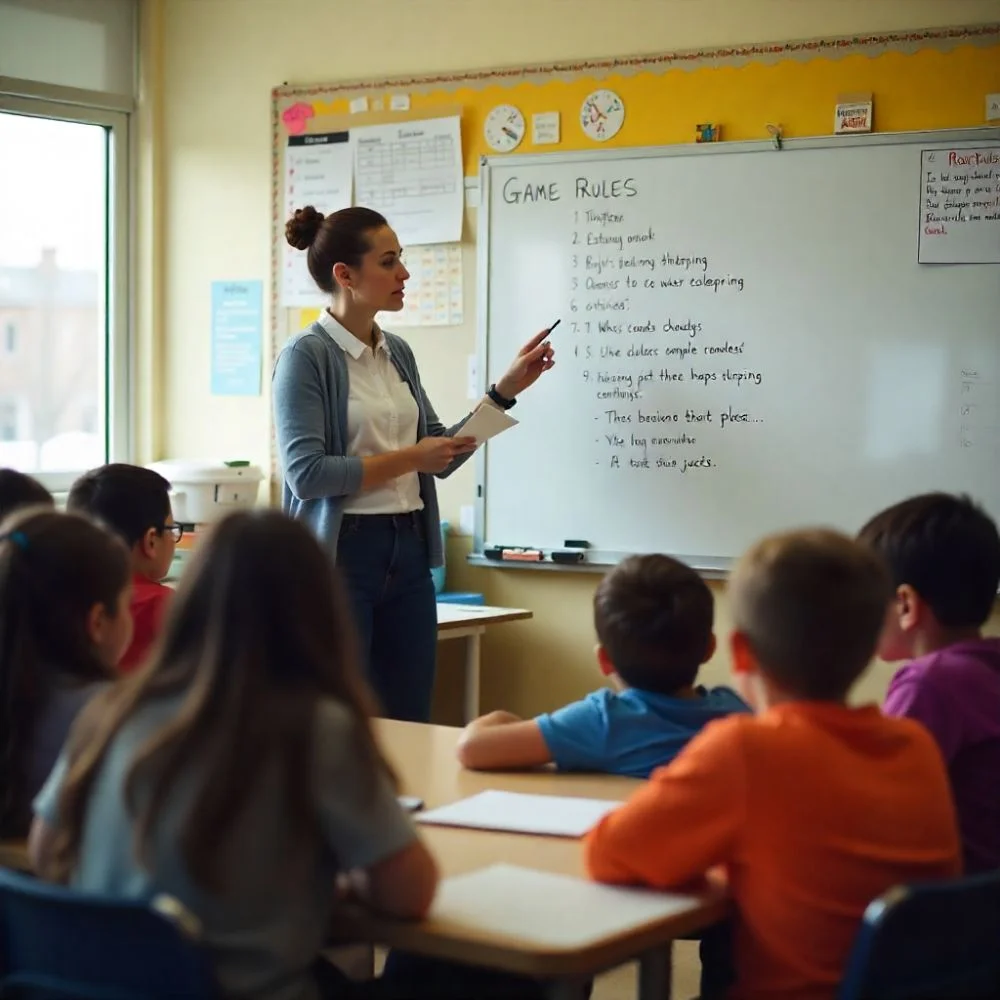
While games are meant to be fun, they must also support classroom control. If the games get too wild or off-topic, students lose focus. The key is to keep a strong balance between enjoyment and responsibility. Every game should have a clear purpose, a time limit, and firm behavior rules. If the class gets too loud or distracted, don’t be afraid to pause or end the game. This shows that games are not just free time but a reward tied to effort and behavior. Reinforce the idea that games are earned through respect, not expected every day without responsibility. When you manage games well, you gain more authority, and students trust your leadership.
Evaluate, Reflect, and Adjust Your Game Plan
Not all games will work in every classroom. Over time, even your best games might lose their effect. That’s why it’s important to reflect often. Watch how students respond. If they lose interest or the behavior benefits disappear, adjust the rules or introduce a new game. You might need to rotate your game list every few weeks or modify the reward system. Keep notes on what works best with each group. Don’t be afraid to ask your students which games they enjoy or find helpful. Their feedback helps you improve. Teaching is always evolving, and your use of games should evolve too.
Conclusion
Using classroom management games that work is a simple but powerful way to create structure, promote respect, and build strong classroom habits. These games improve focus, help students stay motivated, and turn daily routines into positive learning moments. Whether you’re managing transitions, calming students after lunch, or building teamwork, games give you the tools to keep your class on track with less stress and more joy. The key is choosing the right game for the right moment, setting clear rules, and staying consistent.