
Table of Contents
- What Is a Robo Taxi?
- How Do Robo Taxis Work?
- A Look at the Technology Behind Robo Taxis
- Companies Leading the Robo Taxi Race
- Where Are Robo Taxis Operating Now?
- Why Robo Taxis Are a Big Deal?
- What Are the Risks and Challenges?
- Rules and Regulations
- Economic Impact
- What’s It Like to Ride a Robo Taxi?
- Environment and Robo Taxis
- Future of Robo Taxi Design
- Security and Privacy
- What’s Next for Robo Taxi Technology?
- (FAQ)
- Conclusion
Imagine calling a taxi that arrives without a driver. It knows the best route, drives safely, and drops you off right at your destination. This is not science fiction anymore. It’s what robo taxis are all about. These driverless cars are powered by smart technology and are set to change how people travel around cities. As we look ahead, it’s clear that robo taxi technology is becoming smarter, safer, and more common in daily life.
What Is a Robo Taxi?
A robo taxi is a self driving car that can pick up and drop off passengers without a human driver. These cars use a mix of sensors, cameras, radar, and artificial intelligence to drive safely on the road. Many robo taxis are electric, making them a cleaner choice for the environment. The goal is to make travel more convenient, safe, and affordable, especially in busy cities.
How Do Robo Taxis Work?
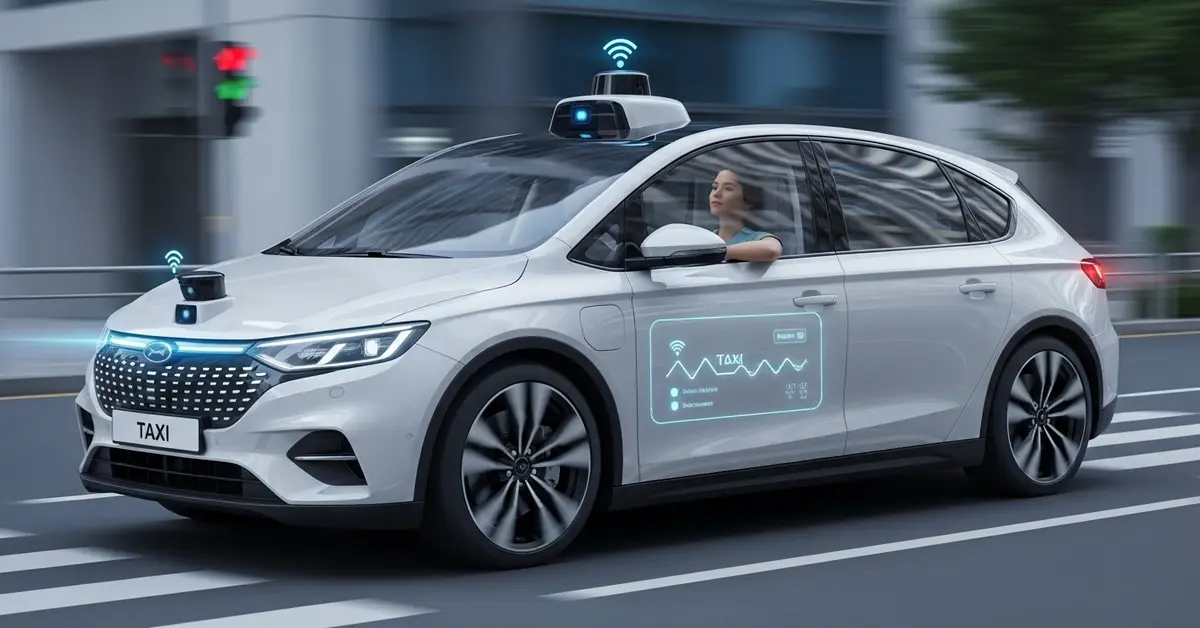
Robo taxis work by combining several technologies:
- Cameras and sensors: These allow the vehicle to see traffic, people, signs, and other cars.
- Artificial intelligence (AI): This helps the car make decisions, such as when to turn, stop, or change lanes.
- GPS and mapping: These tools guide the car to its destination using real time maps.
- Vehicle to everything communication (V2X): This lets the car talk to other vehicles, traffic lights, and even the road itself.
Together, these systems help the car move safely, even in complex situations like heavy traffic or rain.
A Look at the Technology Behind Robo Taxis
Robo taxis are smart machines. They are packed with high tech features that help them “see” and “think.”
Main Technologies:
- Lidar: A spinning laser that builds a 3D map of the area around the car.
- Radar: Detects the speed and distance of nearby vehicles.
- Cameras: Read road signs, lane markings, and traffic lights.
- AI and Machine Learning: Let the car learn from experience and improve over time.
- Cloud Computing: Stores huge amounts of driving data to help cars improve their skills.
These parts all work together to make sure the car stays in its lane, avoids accidents, and follows traffic rules.
Companies Leading the Robo Taxi Race
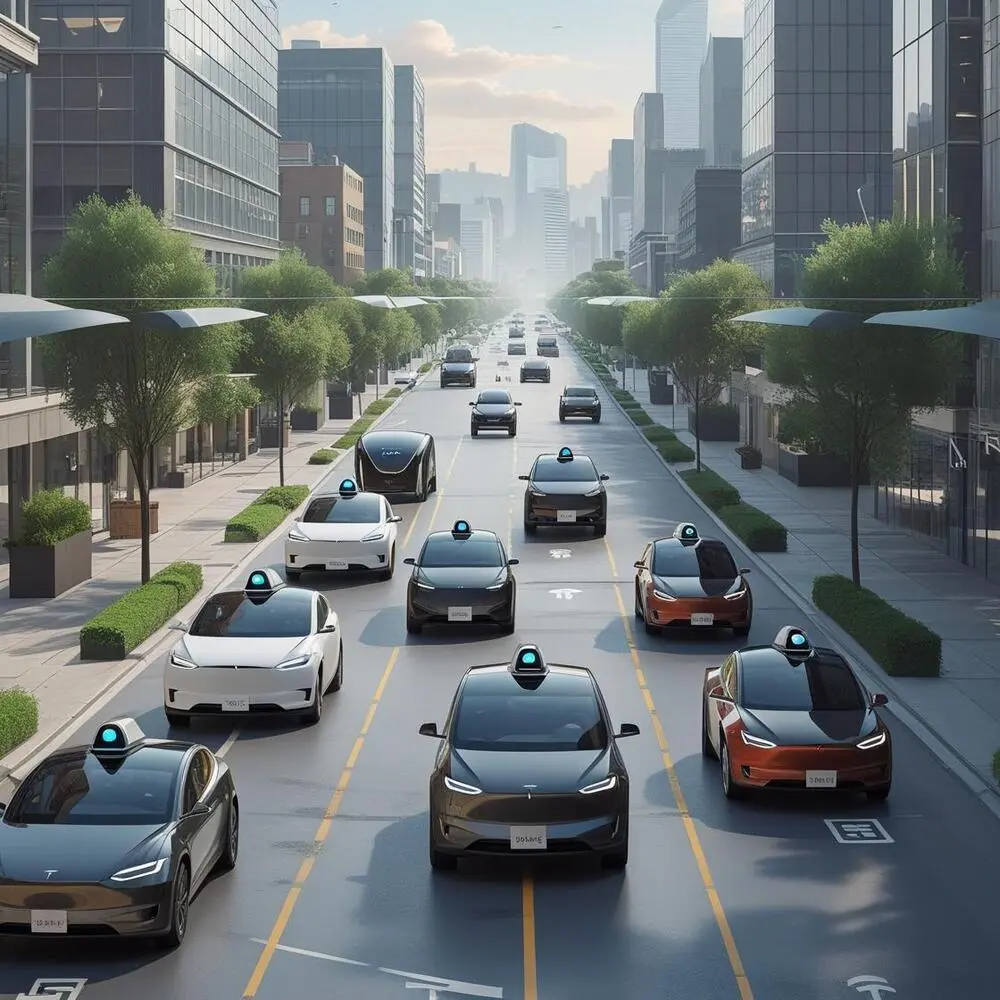
Many big tech companies and car makers are working hard to bring robo taxis to life. Here are some of the major players:
- Waymo (by Google): One of the first to launch self driving cars in cities like Phoenix, Arizona.
- Cruise (by General Motors): Offers rides in San Francisco with no driver in the seat.
- Baidu Apollo (China): Testing robo taxis in cities like Beijing.
- Zoox (by Amazon): Building a unique, box shaped car made just for robo taxi service.
- Tesla: Tesla Plans to launch a robo taxi service using its existing self driving cars.
These companies are spending billions of dollars and running many tests to make sure their vehicles are ready for the road.
Where Are Robo Taxis Operating Now?
Robo taxis are not everywhere yet, but they are slowly rolling out in test areas and selected cities. Here are some examples:
- United States: Robo taxis are running in Phoenix, San Francisco, and parts of Texas.
- China: Cities like Beijing, Wuhan, and Guangzhou have started pilot programs.
- Europe: Germany and the UK are preparing roads and rules for robo taxi testing.
- Middle East: Dubai has plans to launch robo taxi services before 2030.
These programs are helping cities learn how to manage this new way of travel.
Why Robo Taxis Are a Big Deal?
Robo taxis are expected to bring many benefits:
- Safer roads: Machines don’t get tired or distracted like human drivers.
- Cheaper rides: No driver means lower costs for companies and passengers.
- Greener cities: Many robo taxis are electric, which means less air pollution.
- Fewer traffic jams: Smart systems may help improve the flow of traffic.
- More access: People who can’t drive, like older adults or those with disabilities, can move around more freely
All of these points show how robo taxis can make life easier and cities better places to live.
What Are the Risks and Challenges?
While robo taxis offer many promises, they also face several problems that need fixing:
- Technology not perfect: Self driving cars still struggle with bad weather or strange road layouts.
- Laws and rules: Every country and city has different driving laws. Robo taxis must follow them all.
- Trust: Many people don’t feel safe riding in a car with no driver.
- Cost of development: Building these systems is very expensive.
- Hacking: Like any computer system, robo taxis could be hacked if not protected well.
It’s important to handle these issues carefully to build a safe and trusted service.
Rules and Regulations
Governments are still figuring out how to regulate robo taxis. Some areas require a safety driver in the car, while others allow fully driverless rides. Regulations often cover:
- Safety standards for the vehicle
- Rules for data privacy and tracking
- Insurance and accident responsibility
- Where and when robo taxis can operate
Without proper rules, the rollout of robo taxis could face delays.
Economic Impact
The rise of robo taxis will affect many jobs and industries. For example:
- Taxi and ride hailing drivers may lose work if cars drive themselves.
- Car makers will need to design vehicles for ride-sharing instead of personal use.
- Technology companies will grow as demand for sensors and AI grows.
- Cities may earn money from new taxes or services connected to robo taxis.
While some jobs may disappear, new ones may also be created in technology and vehicle support.
What’s It Like to Ride a Robo Taxi?
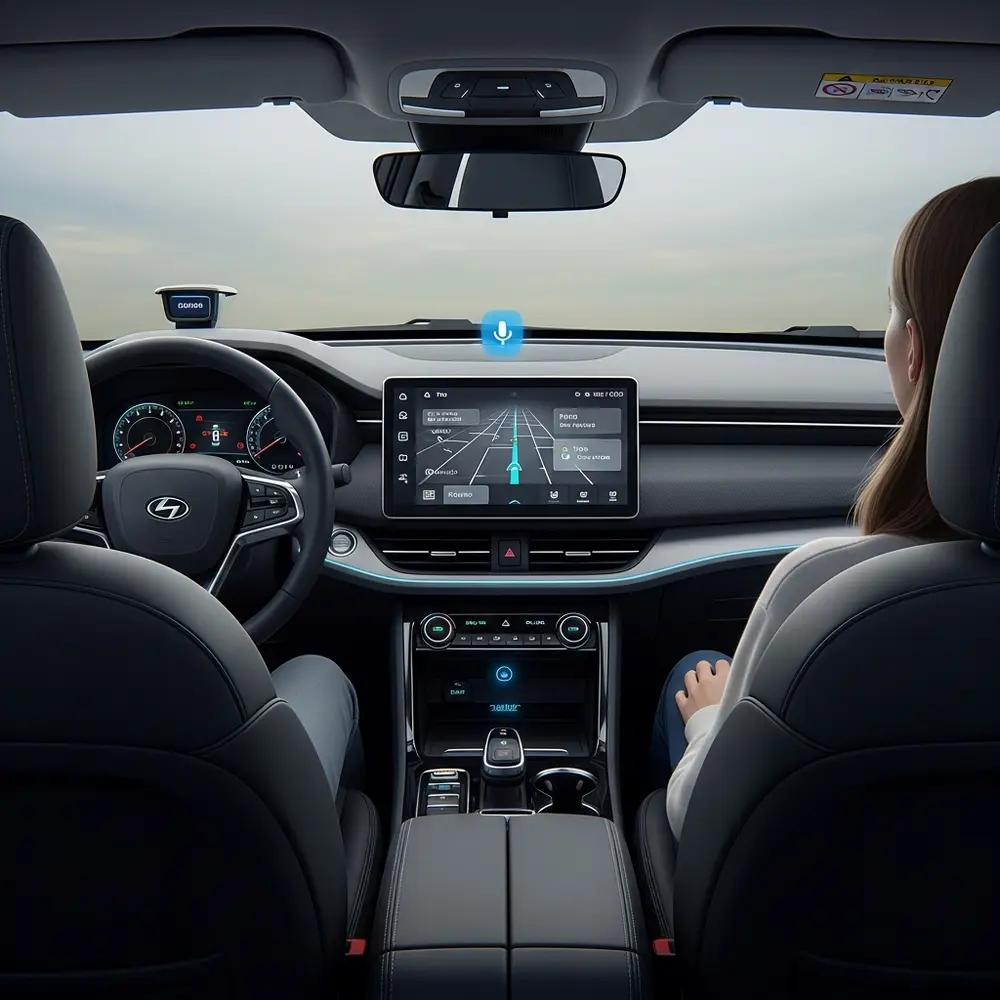
Riding in a robo taxi feels a bit like being in a regular car, but with no one in the front seat. Here’s what most riders notice:
- A screen shows the route and trip progress
- The car drives smoothly and follows traffic rules
- Voice announcements give updates
- Some have buttons for help or to end the ride
Many people feel nervous at first, but quickly get used to it. The cars are designed to make riders feel calm and safe.
Environment and Robo Taxis
Robo taxis can be good for the planet. Since most are electric, they don’t burn fuel. This means less:
- Air pollution
- Greenhouse gases
- Noise on the streets
Also, fewer cars on the road could mean less traffic and cleaner cities. Sharing rides in a robo taxi may also reduce the total number of vehicles needed.
Future of Robo Taxi Design
The design of robo taxis will likely change in the future. Cars may:
- Have no steering wheel or pedals
- Use sliding doors or larger windows
- Be built for comfort with soft seats and screens
- Include features for disabled riders, like ramps
As the focus shifts from drivers to passengers, car design will become more like a mobile lounge or personal space.
Security and Privacy
Since robo taxis are connected to the internet, data security is important. These vehicles collect lots of data about where people go and when. To stay safe, companies must:
- Encrypt all trip data
- Block hackers from controlling the car
- Follow strict privacy laws
- Passengers should feel safe both physically and digitally when riding a robo taxi.
What’s Next for Robo Taxi Technology?
The future of robo taxis is exciting. In the coming years, we might see:
- More cities allowing robo taxis
- Lower costs as technology improves
- Smarter systems that can handle more road situations
- New designs built just for robo taxi services
- Better coordination with buses and trains
As more people try robo taxis, they may become a normal part of daily life.
(FAQ)
1. Are robo taxis safe to ride in?
Yes, robo taxis are designed to be very safe. They use many sensors, cameras, and computer systems to avoid accidents. In fact, they are built to follow all traffic rules and drive carefully. However, since the technology is still improving, safety drivers are often present during early testing. As more data is collected and systems become better, robo taxis will likely become even safer than human drivers.
2. Can robo taxis drive in all weather conditions?
Not yet. Robo taxis work well in clear weather and on clean roads. But they still have trouble in heavy rain, snow, or fog. Bad weather can block the cameras and sensors, making it harder for the car to “see.” That’s why most companies are still testing robo taxis and improving them before they’re used everywhere, all the time.
3. Will robo taxis replace human drivers?
Robo taxis might reduce the need for some drivers, especially in taxi and ride hailing services. But they won’t replace all driving jobs right away. Some people will still prefer human drivers, especially in areas where robo taxis don’t work well. Also, new jobs will appear in areas like technology maintenance, data analysis, and support services for these vehicles.
4. How much does it cost to ride in a robo taxi?
Right now, prices vary depending on the city and company. Some rides are free during testing, while others cost about the same as a regular ride share. In the future, prices may go down because there’s no driver to pay. That could make robo taxis a cheaper and more popular way to travel.
Conclusion
Robo taxis are more than just a cool idea. They represent a major change in how people travel. With smart systems, electric power, and no human drivers, these vehicles have the power to make cities cleaner, safer, and more connected. While there are still challenges to overcome, the future of robo taxi technology looks bright.