
Table of Contents
- What Is a Lip Tie?
- Signs of a Lip Tie in Infants and Children
- Signs of a Lip Tie in Adults
- What Causes a Lip Tie?
- How a Lip Tie Affects Daily Life
- Diagnosing a Lip Tie
- Treatment Options for Lip Tie
- Surgical Treatments for Lip Tie
- Aftercare and Healing Process
- Preventing Long-Term Issues
- Role of Dentists and Speech Therapists
- Myths About Lip Ties
- How to Talk to Your Doctor
- Conclusion
A lip tie might sound small, but it can cause big problems if left untreated. This condition can affect both children and adults, leading to feeding issues, speech troubles, and dental concerns. Early detection and the right treatment can make a real difference in daily life. How to spot and treat a lip tie early, why it matters, and what steps to take for better health outcomes.
What Is a Lip Tie?
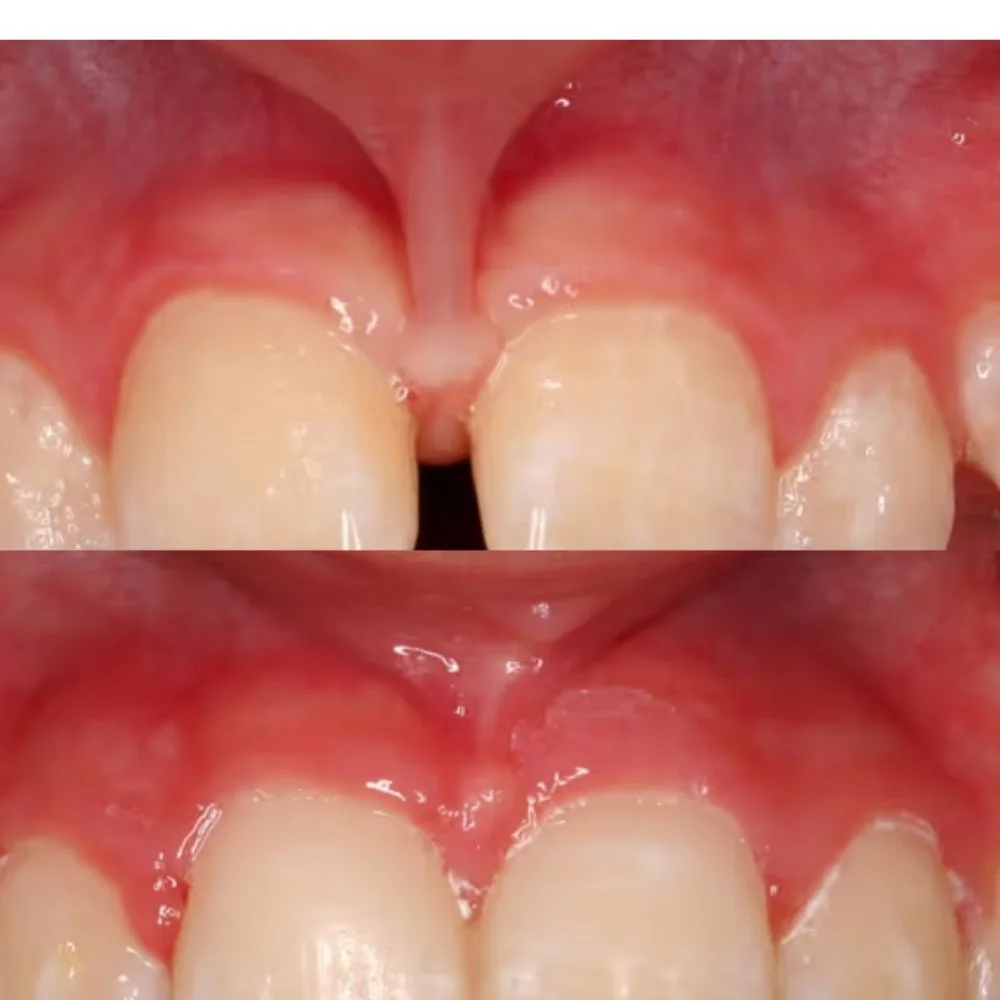
A lip tie happens when the tissue (frenulum) connecting the upper lip to the gums is too tight or thick. This restricts lip movement, making it hard to latch during breastfeeding or form certain speech sounds.
How It Differs from a Tongue Tie
Though often confused, a tongue tie affects the tissue under the tongue, while a lip tie affects the upper lip. Both can appear together and cause similar issues.
Signs of a Lip Tie in Infants and Children
Catching a lip tie early in babies can save time, stress, and discomfort. The earlier it’s treated, the fewer problems it causes.
Common Symptoms in Infants
Trouble latching or staying latched during breastfeeding
- Poor weight gain
- Gassy or fussy feeding
- Clicking noises while feeding
- Milk is leaking from the sides of the mouth
- Short feeding sessions or constant hunger
Signs in Toddlers and Children
- Delayed speech
- Mouth breathing
- Gaps between upper front teeth
- Cavities or dental decay in the upper teeth
- Difficulty brushing upper front teeth
- Speech delays or unclear pronunciation
These signs can often be missed, but they should not be ignored.
Signs of a Lip Tie in Adults
Adults with untreated lip ties might face lifelong issues without realizing the cause. These symptoms might seem unrelated, but they often connect back to restricted lip movement.
Symptoms in Adults
- Speech problems or unclear words
- Trouble keeping dentures in place
- Difficulty sealing lips when eating or drinking
- Dental gaps or gum recession
- Ongoing jaw pain or discomfort
In some cases, adults adapt over time, but that doesn’t mean the issue should be left untreated.
 What Causes a Lip Tie?
Lip ties are typically present at birth and are genetic. If a parent or sibling had one, there’s a higher chance it could appear in a newborn.
Some other possible causes include:
- Developmental issues in the womb
- Tissue overgrowth during fetal stages
- Combined presence with tongue ties (often genetic)
Though you can’t prevent a lip tie, you can act early once you see the signs.
How a Lip Tie Affects Daily Life
Babies
Feeding becomes exhausting for both baby and mother. Poor latch leads to low nutrition and makes breastfeeding painful. This can even reduce milk supply.
Older Children
Speech may not develop properly. Children might struggle with making certain sounds, leading to communication problems and frustration.
Adults
Adults may face:
- Misaligned teeth
- Digestive issues due to improper chewing
- Gum pain
- Speech embarrassment or social anxiety
These effects are not just physical—they impact emotional and social life too.
Diagnosing a Lip Tie
Early diagnosis means easier, faster treatment. A simple examination by a pediatrician, dentist, or speech therapist can help confirm a lip tie.
What Professionals Look For
- Difficulty in lifting the upper lip
- Tight or thick upper frenulum
- Tissue that turns white when stretched
- Gaps between teeth
- Mouth or feeding behavior
Photos and videos taken during feeding or speech can also help with diagnosis.
Treatment Options for Lip Tie
Once diagnosed, there are several treatment options based on age, severity, and lifestyle.
Non-Surgical Treatments
- Speech therapy for mild speech issues
- Lactation support for infants
- Myofunctional therapy (muscle exercises for the mouth and face)
- Oral stretching exercises for flexibility
These are useful for mild cases or in preparation for surgery.
Surgical Treatments for Lip Tie
Surgery is usually quick, safe, and effective. It’s often called a frenectomy or frenotomy.
Types of Procedures
- Laser Frenectomy: Uses light energy to cut and seal the frenulum
- Scissor Frenectomy: Traditional cut using sterile surgical tools
- Electrosurgery: Electric current helps trim and seal the tissue
What to Expect
- Short procedure (under 10 minutes)
- Little to no bleeding (especially with laser)
- Minimal pain with numbing agents
- Quick recovery (1–3 days for infants, up to a week for adults)
Aftercare is important to prevent regrowth and scarring.
 Aftercare and Healing Process
After surgery, it’s important to follow proper steps to support healing and prevent reattachment of the tissue.
Aftercare Tips
- Do regular lip stretching exercises
- Apply breast milk or prescribed ointment
- Keep the wound clean
- Watch for signs of infection, like redness or swelling
- Attend follow-up appointments
Healing Timeline
- Infants: 3–5 days for comfort, full healing in 2 weeks
- Children and adults: 7–10 days to return to normal eating/speaking
- Proper care ensures long-term success.
Preventing Long-Term Issues
Catching and treating a lip tie early avoids many complications. When left untreated, lip ties can cause:
- Ongoing speech therapy needs
- Severe orthodontic issues
- Oral hygiene struggles
Low confidence due to appearance or speech problems
Parents should stay alert to feeding and speech patterns early on. Adults should not hesitate to get evaluated if symptoms match.
Role of Dentists and Speech Therapists
Dentists often catch lip ties during routine exams. Pediatric dentists especially watch for teeth during early growth stages.
Speech therapists can work on:
- Correcting lip movement
- Pronunciation skills
- Helping post-surgery recovery
- A team approach gives the best results.
Myths About Lip Ties
There are many myths about lip ties that need to be cleared up:
Common Misconceptions
- “It will stretch out on its own” – Not always true
- “It only affects babies” – Adults can have issues too
- “Surgery is risky” – Modern methods are very safe
- “Only tongue ties matter” – Lip ties can be just as problematic
Don’t let these myths delay needed care.
How to Talk to Your Doctor
If you suspect a lip tie, prepare for your visit. Take notes or photos of symptoms. Be ready to discuss:
- Feeding struggles
- Speech delays
- Dental issues
- Any family history
Ask about treatment options, risks, and referrals. Don’t wait early steps make all the difference.
Conclusion
A lip tie may seem like a small issue, but its impact can be lifelong if not treated in time. Whether it’s a newborn struggling to feed or an adult with ongoing discomfort, knowing how to spot and treat a lip tie early is the key to better oral health and quality of life.Take action as soon as signs appear. With proper care, therapy, or simple surgery, both children and adults can lead more comfortable and confident lives.