
Table of Contents
- Mobile Wallets Replace Traditional Wallets
- Real-Time Payments Are the New Normal
- AI-Powered Financial Assistants Are Smarter
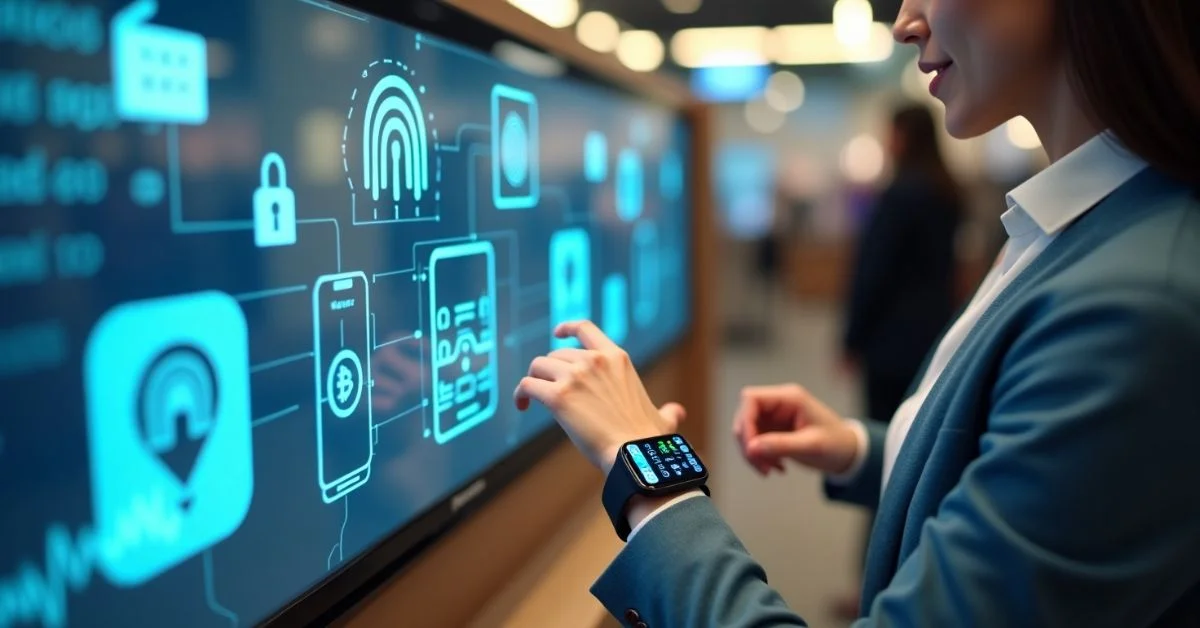
- Biometric Payments Add Extra Security
- Blockchain Enhances Transaction Transparency
- Central Bank Digital Currencies (CBDCs) Are Live
- Buy Now, Pay Later (BNPL) Expands Beyond Shopping
- Embedded Finance Is Everywhere
- Cross-Border Payments Are Faster and Cheaper
- Tap-to-Pay and Wearable Tech Simplify Payments
- Fintech Helps Underserved Communities
- Future Outlook
- Conclusion
In 2025, technology is changing the way we manage and spend our money. Fintech, short for financial technology, has introduced tools that are faster, safer, and easier to use than ever before. From mobile wallets to biometric payments, this year’s top fintech innovations 2025 are reshaping our everyday lives.
Whether you’re shopping online, sending money abroad, or managing bills through your phone, these innovations are making finance simple for everyone. The focus is no longer just on convenience, security, and speed, but smart automation is now the priority. With the help of AI, blockchain, and digital currency, we are entering an era where handling money doesn’t even require a trip to the bank. Everything happens in real-time, through the devices we use daily.
Mobile Wallets Replace Traditional Wallets
Mobile wallets are no longer just for storing money. In 2025, they’ve become the heart of our payment system. Apps like Google Pay, Apple Pay, and Samsung Pay are now connected with multiple banks, loyalty cards, IDs, and even transit passes.
You can pay for groceries, buy movie tickets, and even split bills at a restaurant, all using your phone. These apps store encrypted data, keeping your money safe while allowing faster, contactless payments.
Even offline stores now offer QR payment systems or tap-to-pay, which means fewer people carry cash or cards anymore. In some cities, you can even pay rent and utility bills using a mobile wallet. The entire experience is designed to save time, minimize physical contact, and ensure data security through encryption.
Real-Time Payments Are the New Normal
Gone are the days of waiting for hours or days for a money transfer. Real-time payment systems now allow users to send and receive money instantly, 24/7.
Banks and fintech companies use secure networks to complete transactions in seconds. Whether you’re paying rent, sending money to family, or getting paid by a client, the transfer is done immediately.
Benefits of real-time payments:
- Reduces delays and cash-flow issues
- Safer than traditional transfers
- Always available day or night
Businesses also enjoy real-time settlements, helping them manage their accounts better. Workers can get paid daily, freelancers can receive global payments instantly, and even small online stores now accept direct wallet payments with no delays.
AI-Powered Financial Assistants Are Smarter
AI is not just helping in chatbots. In 2025, financial assistants powered by artificial intelligence are making life simpler by analyzing your habits, tracking your spending, and helping you save automatically.
They give tips like when to pay bills or suggest how to cut expenses. AI assistants are now built into apps from fintech brands and even traditional banks.
Key features include:
- Daily spending alerts
- Goal-based savings recommendations
- Budget adjustments in real time
Some AI bots now also act as investment guides, helping users pick mutual funds or stocks based on behavior and risk levels. These assistants can learn from your actions and even predict future needs, like reminding you about upcoming subscriptions or suggesting cheaper alternatives to recurring expenses.
 Biometric Payments Add Extra Security
Security is one of the top concerns in online payments. In 2025, biometric payment methods will become common. These include:
- Fingerprint scanning
- Facial recognition
- Voice authentication
When you pay using biometrics, your identity is verified in seconds. This makes fraud much harder for criminals. Many banks and e-wallets now ask for face or fingerprint verification before processing big payments.
With biometric verification, there’s no need to remember passwords or PINs. This not only saves time but also enhances customer experience. Some fintech apps even use behavioral biometrics—like how you type or hold your phone to add another layer of security.
Blockchain Enhances Transaction Transparency
Blockchain is no longer just for cryptocurrency. In 2025, it is being used to improve transaction security, reduce fraud, and make every financial step transparent.
Every time you make a payment using blockchain-backed apps, a digital record is created. This record cannot be changed, which keeps all parties honest.
Uses of blockchain in payments:
- International transfers
- Secure contracts
- Anti-money laundering checks
Businesses now use blockchain to verify supplier payments and track funding. Consumers also benefit from faster cross-border payments with lower fees. Blockchain-based wallets are now designed to work like regular bank accounts but offer higher transparency and faster access.
Central Bank Digital Currencies (CBDCs) Are Live
More governments are launching Central Bank Digital Currencies (CBDCs) in 2025. These are official digital versions of a country’s currency. For example, instead of holding paper currency, you could hold its digital form in a government-backed app.
CBDCs are helping make the payment system faster and more stable. They also help include more people in the financial system who don’t use banks.
Why CBDCs matter:
- Government-regulated
- Useful for digital transactions
- Reduce cash dependency
CBDCs also allow better control of inflation and currency tracking. For the average person, it means safer, government-approved digital money that works even without a traditional bank account.
Buy Now, Pay Later (BNPL) Expands Beyond Shopping
The Buy Now, Pay Later trend started with shopping, but in 2025, it’s used for much more. You can now use BNPL services to pay for:
- Healthcare
- Travel tickets
- Education fees
- Subscriptions
Apps like Klarna, Affirm, and newer fintechs offer flexible repayment options without heavy interest. It’s helping people manage costs better, especially during emergencies or when saving money is difficult.
This model is now popular among younger users who prefer not to use credit cards. With better transparency and minimal hidden fees, BNPL continues to challenge the old banking systems.
Embedded Finance Is Everywhere
In 2025, embedded finance is integrated into non-financial platforms. For example, you can now:
- Get a small loan while shopping online
- Buy insurance inside a travel app
- Pay for food delivery using built-in credit options
This means you don’t have to leave the app or go to a bank website to complete financial tasks. It’s fast and part of your daily routine.
Companies are turning into “mini banks,” offering financial services directly in their apps. This shift makes finance more accessible and puts more control in the hands of everyday users.
Cross-Border Payments Are Faster and Cheaper
International payments were once costly and slow. Now, thanks to fintech innovation, cross-border payments in 2025 are quicker, cheaper, and more transparent.
Apps like Wise, Payoneer, and even blockchain solutions are cutting down fees and removing long wait times.
Improvements include:
- Instant transfer across currencies
- Real exchange rates
- Better tracking of international payments
Freelancers, digital nomads, and remote businesses are the biggest winners here. These systems eliminate hidden fees and give real-time tracking, reducing financial stress.
Tap-to-Pay and Wearable Tech Simplify Payments
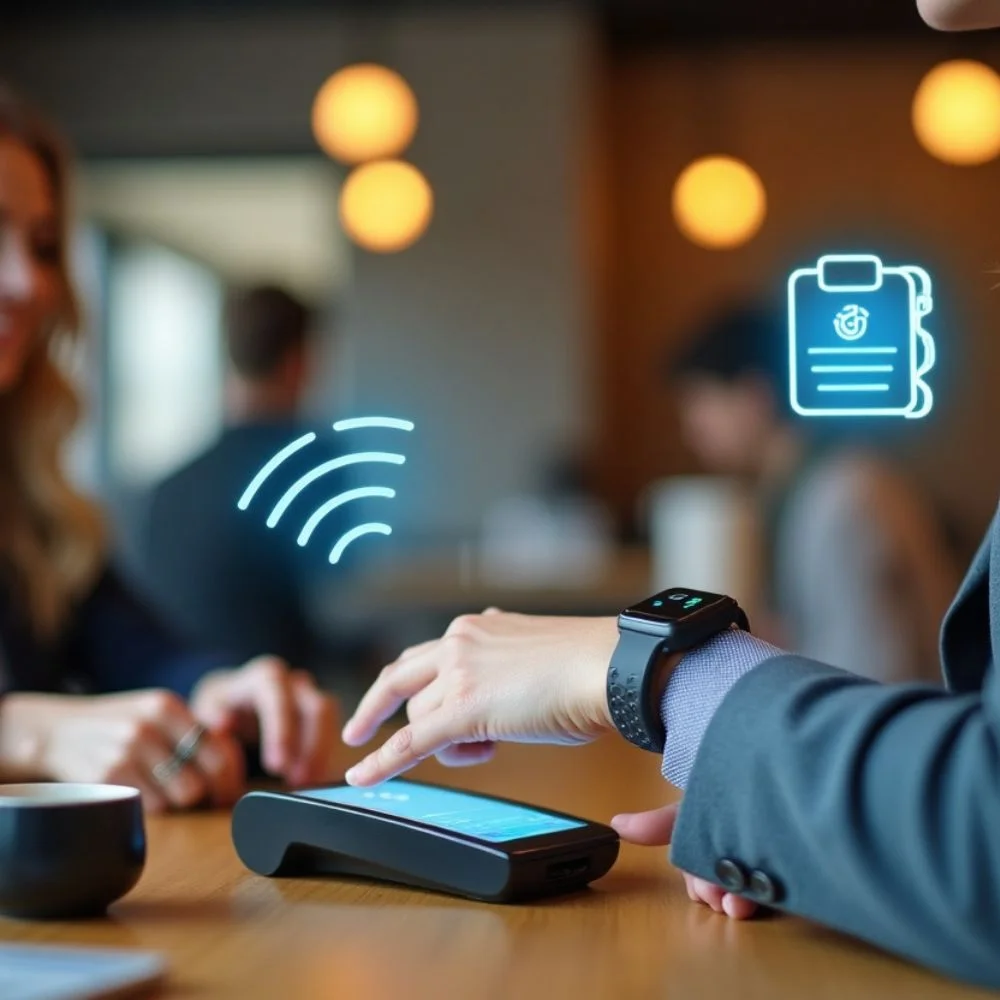
Paying with your smartwatch or ring is not science fiction anymore. In 2025, wearable devices with NFC (near-field communication) chips will allow you to tap and pay without carrying your phone or card.
Wearables make small payments quicker, especially in places like:
- Public transport
- Cafes and restaurants
- Gyms and vending machines
Fitness brands and luxury companies are launching rings, watches, and even smart glasses with payment abilities. These tools reduce contact and improve hygiene, especially in crowded cities.
 Fintech Helps Underserved Communities
One of the most important fintech innovations in 2025 is how it brings financial services to people who were left out before.
In many developing countries, fintech platforms now allow people to:
- Open bank accounts using just a phone
- Get microloans without visiting a branch
- Pay bills or receive wages without cash
Digital inclusion means more people can grow financially and manage their money securely.
Women, rural communities, and people without IDs are now getting access to credit and savings for the first time. This promotes economic growth and reduces inequality across regions.
Future Outlook
As we move forward, the focus of fintech will stay on speed, security, and simplicity. In 2025, we are witnessing a major shift from physical money to digital value.
Key trends we’ll likely see grow include:
- Voice-enabled payments
- AI detecting fraud in real time
- More countries are adopting CBDCs
Subscription-based banking services
New partnerships between banks and fintech firms will also improve service quality, offering better products and more personalization for users.
Conclusion
The top fintech innovations in 2025 are making payments smarter, quicker, and easier than ever before. From biometric security to wearable tech, we are now living in a world where paying for things doesn’t require cash, cards, or even contact. Fintech is no longer just a trend; it’s the backbone of how we live, earn, and pay. As these innovations continue to improve, they will make finance more inclusive, efficient, and secure for everyone.
For more Related: The Future of Fintech: Trends and Innovations to Watch