
Table of Contents
What is a Continuous Glucose Monitor (CGM)?
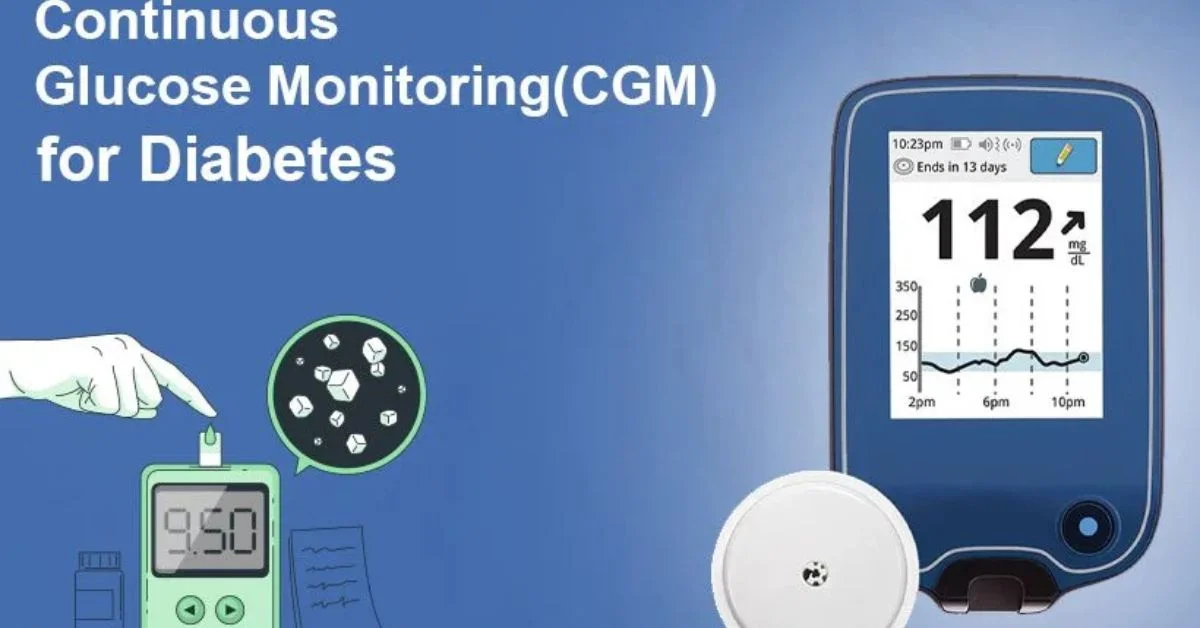
A continuous glucose monitor is a wearable device that measures your blood sugar (glucose) levels throughout the day and night. Unlike traditional fingerstick tests, CGMs give you real-time readings without requiring constant pricking of your fingers.
A typical CGM system has three main parts:
- Sensor: A small sensor inserted just under the skin, usually on your abdomen or upper arm.It constantly measures the glucose present in the fluid around your cells.
- Transmitter: Attached to the sensor, it wirelessly sends glucose data to a receiver or your smartphone.
- Receiver/Smartphone App: Displays your glucose trends, graphs and alerts if your levels go too high or low.
Key Benefits of Using CGM
Manually checking your glucose can be inconvenient. A CGM makes it easier to stay on top of your blood sugar without constantly interrupting your day. But convenience is just one perk.
1. Real-Time Feedback
A CGM provides one of its greatest benefits by delivering instant feedback. Whether you’re eating a sandwich, going for a run or sleeping, you can see exactly how those activities affect your glucose levels.
This helps you make smarter, more personalized choices:
- Know which foods spike your sugar.
- Spot patterns related to stress, exercise, or sleep.
- Prevent dangerous highs and lows before they happen.
2. Early Detection of Highs and Lows
CGMs provide predictive alerts before your glucose levels go too high or low. This is especially crucial during sleep or physical activity when traditional methods might not catch dangerous swings in time.
3. Improved Long-Term Health
Keeping blood sugar in a healthy range isn’t just about today it’s about preventing complications down the line. Studies show that people using CGMs have better A1C levels, fewer hypoglycemic episodes, and improved overall well-being.
Who Should Use a Continuous Glucose Monitor?
Here’s a helpful breakdown:
1. Type 1 Diabetes
For those with type 1 diabetes, a CGM is almost a game-changer. It reduces the guesswork, helps avoid dangerous lows and works seamlessly with insulin pumps for automated insulin delivery (in hybrid closed-loop systems).
2. Type 2 Diabetes
If you’re using insulin, a CGM can help you dose more precisely. Even if you’re managing with diet and oral meds, seeing how your body responds to food can empower better choices.
3. Gestational Diabetes
Pregnant and managing blood sugar? A CGM provides a safe, non-invasive way to keep an eye on fluctuations and ensure both mom and baby stay healthy.
How to Use a CGM?
You might be surprised how simple it is to integrate a CGM into your daily routine. Here’s what a typical day might look like:
1. Morning: Wake Up and Check Your Levels
You wake up, pick up your phone, and launch your CGM app. Your glucose is stable, great start. A quick glance at the overnight graph shows that your levels dipped slightly around 3 a.m., to have a small protein-rich snack before bed tonight.
2. Breakfast: What Fuels You Best
You opt for oatmeal with berries. The CGM shows a gradual rise in glucose, which is expected. Last week, when you had pancakes, your sugar spiked fast. The difference is eye-opening.
3. Afternoon: Workouts and Glucose Trends
After lunch, you hit the gym. About 30 minutes into your workout, you notice your glucose is dropping faster than usual. Your CGM buzzes with a low-glucose alert. You pause to drink a sports drink, and your levels stabilize.
4. Evening: Spot Patterns Over Time
As you wind down for the night, you review your daily glucose trends. Your levels stayed within range 85% of the time. Your CGM app gives you a little digital high-five. That’s the kind of motivation that sticks.
Popular CGM Devices
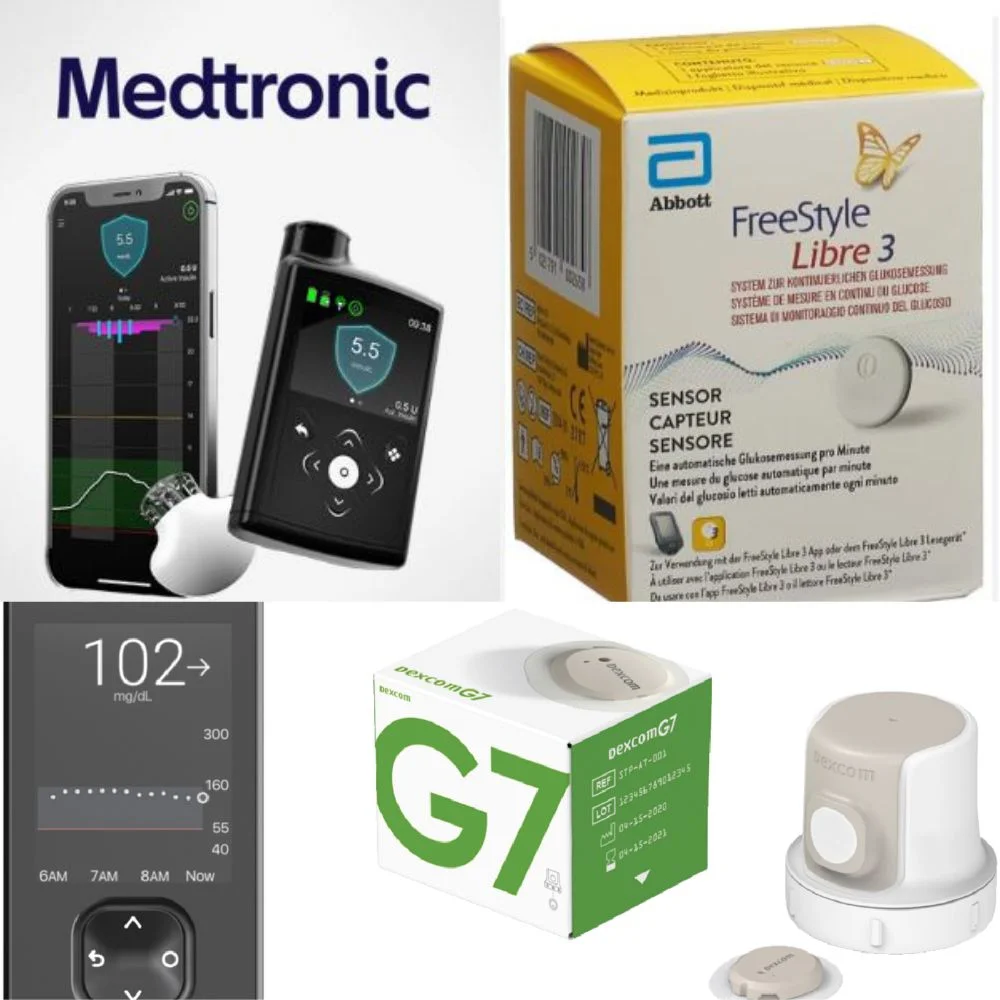
1. Dexcom G7
- Sleek and compact with a 10-day sensor life.
- Real-time alerts and readings to your smartphone.
- Great for integration with insulin pumps.
2. FreeStyle Libre 2 / 3
- Affordable and user-friendly.
- Libre 3 offers continuous streaming without scanning.
- No fingerstick calibration required.
3. Medtronic Guardian Connect
- Best for people already using Medtronic insulin pumps.
- Predictive alerts for highs and lows.
How to Maximize the Benefits of Your CGM?
Using a continuous glucose monitor isn’t just about slapping it on and forgetting about it. Here’s how you can use it to your advantage:
- Track what you eat, your activities, and sleep. Then compare your CGM readings. Patterns will quickly start to emerge.
- One blood sugar spike isn’t the end of the world. What matters is the overall glucose variability and your average levels throughout the day.
- Try eating the same meal at different times of the day. You might notice better glucose control earlier in the day or with a walk afterward.
- A glucose rise after a meal is natural especially if it includes carbs. What’s important is how quickly your body brings it back down.
- If you’re using a CGM to manage diabetes or pre-diabetes, share your reports with your doctor or a certified diabetes educator. They can help you fine-tune your plan.
What the Data Can Reveal About Your Health?
CGMs provide a window into how your metabolism works. Beyond blood sugar, your glucose trends can tell you:
- How well you tolerate different types of carbs
- Whether you’re getting enough quality sleep
- If your workouts are too intense or just right
- When your stress levels are impacting your body
- Whether you’re at risk of insulin resistance
Frequently Asked Questions About CGMs
Q1. Are CGMs painful to wear?
Most users report that sensor insertion feels like a tiny pinch or nothing at all. Once in place, you typically forget it’s there.
Q2. Do I need a prescription for a CGM?
Some CGMs require a prescription (like Dexcom or Freestyle Libre), but newer wellness-focused services like Levels and NutriSense often don’t.
Q3. Can a CGM replace finger sticks?
For many people, yes. But in some cases (like calibrating or confirming a reading), a finger stick might still be needed.
Q4. Are CGMs waterproof?
Most modern CGMs are water-resistant, meaning you can shower, swim, or exercise without removing them. Always check the manufacturer’s guidelines.
Conclusion
In today’s world of personalized health, tracking blood sugar with a continuous glucose monitor is a game-changer. Whether you’re living with diabetes, preventing it or simply optimizing how you eat and move, CGMs provide deep insights that empower better choices. You no longer have to guess how your body reacts to pasta, workouts, or stress. Now you can see it and take action. It’s not about perfection; it’s about progress. Your health deserves real-time information, and you deserve to feel your best every day.