
Table of Contents
- Introduction
- Microlearning Works
- Key Benefits of Microlearning
- Types of Microlearning Content
- How to Implement Microlearning Techniques?
- Common Tools for Microlearning
- Microlearning for Corporate Training
- Measuring the Effectiveness of Microlearning
- Overcoming Challenges in Microlearning
- Real-Life Examples of Microlearning Success
- Conclusion
Introduction
Microlearning is a learning method that delivers information in short, focused bursts. Instead of spending hours trying to understand a single topic, you learn in segments that usually last between 5 to 15 minutes. Each session focuses on one specific concept or skill, making it easier to absorb and recall later.
This learning method works for all ages and industries. It’s helpful for students trying to master tough subjects, employees undergoing training, or anyone looking to gain a new skill efficiently.
Microlearning Works
Short and Focused Sessions
The human brain is not designed to concentrate for long periods without breaks. Long training or study sessions often lead to boredom and mental fatigue. Microlearning fixes this problem by delivering information in short, powerful sessions that match the brain’s natural attention span.
For example, watching a 5-minute video or reading a 300-word lesson allows you to absorb the key point without losing focus. This makes learning feel lighter, yet more productive.
Boosts Retention
Memory works best when information is repeated over time. Microlearning encourages spaced repetition, which means reviewing small bits of content at intervals. This is a proven way to move information from short-term memory to long-term memory.
Learners also benefit from active recall, the practice of retrieving information from memory, such as using quizzes or flashcards, which enhances memory strength over time.
Key Benefits of Microlearning
Here are some major advantages of using microlearning techniques:
- Time-Efficient: Fits into busy schedules ideal for people with limited study time.
- Flexible: You can learn anytime, anywhere during a commute, lunch break, or before bed.
- Focused Learning: Each session focuses on one topic, reducing confusion and cognitive overload.
- Improves Motivation: Completing a lesson quickly gives a feeling of accomplishment.
- Ideal for Mobile Learning: Works well with smartphones and tablets, allowing you to learn on the go.
- Supports Different Learning Styles: Visual, audio, and reading-based formats meet individual preferences.
These benefits make microlearning one of the most accessible and effective learning methods available today.
Types of Microlearning Content
Different types of content can be used in microlearning depending on the topic, audience, and learning goal.
1. Videos
Short videos are the most common form of microlearning. They’re perfect for demonstrating tasks, explaining concepts visually, or telling a quick story to reinforce an idea.
2. Infographics
Infographics present data or information in a visually engaging way. They are great for summarizing stats, processes, or comparisons.
3. Quizzes and Flashcards
These help learners review and remember key facts. Flashcards, in particular, are excellent for vocabulary, formulas, or definitions.
4. Audio Clips and Podcasts
Podcasts and short audio snippets are great for auditory learners. They allow learners to absorb content while doing other tasks, like walking or commuting.
5. Interactive Slides and Mini Games
Gamified microlearning, including drag-and-drop tasks or puzzles, makes learning fun and competitive, especially for younger audiences or training environments.
How to Implement Microlearning Techniques?
Using microlearning effectively requires a little planning. Here’s how to do it right:
1. Focus on Specific Learning Goals
Before creating a microlearning plan, define what you want to achieve. Be clear on your objectives, whether it’s learning 20 new vocabulary words or understanding a math concept.
2. Break Down Complex Topics
Don’t try to cover too much at once. Split large subjects into bite-sized parts. If you’re studying history, break it down into events, dates, people, and outcomes instead of reading full chapters in one go.
3. Use a Variety of Formats
Engage different senses and prevent boredom by using a mix of formats: videos, charts, audio, and interactive quizzes. Each format appeals to different learning preferences and increases content engagement.
4. Set a Consistent Routine
Consistency matters more than intensity. Try to learn something small every day instead of doing long sessions once a week. Just 10 minutes daily adds up over time and builds a habit.
Common Tools for Microlearning
You don’t need fancy equipment to get started. Here are some tools to consider:
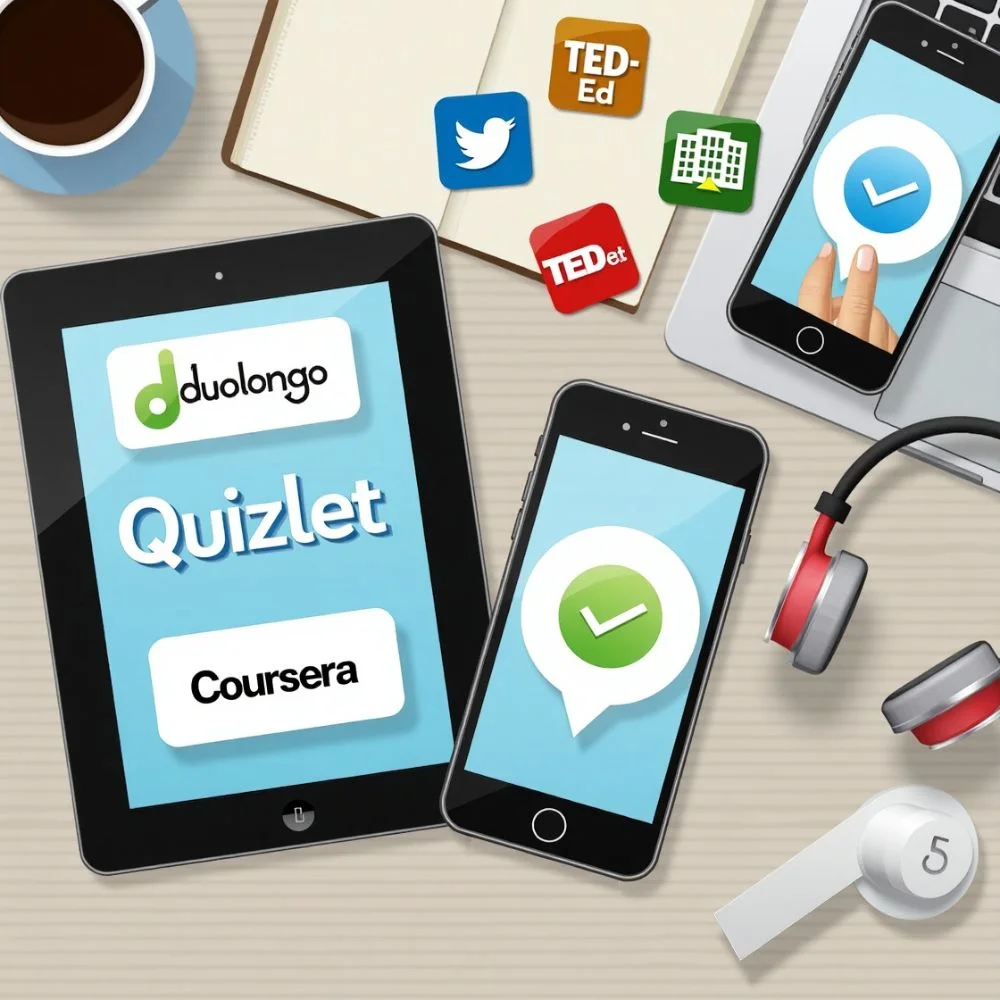
- Duolingo: Great for language learners using gamified microlessons.
- Quizlet: Create or use ready-made flashcards and quizzes.
- TED-Ed: Features short educational videos on various topics.
- Coursera & edX: Some courses break content into mini-lessons.
- Google Classroom/Moodle: Often used in schools for short digital lessons.
- EdApp: Used by companies for mobile-friendly employee training.
These tools make microlearning easy, whether you’re learning alone or in a team.
 Microlearning for Corporate Training
Businesses love microlearning because it’s fast, efficient, and cost-effective. Companies often use it to:
- Onboard new employees quickly.
- Provide safety training or compliance updates.
- Teach soft skills like communication and leadership.
With employees often juggling tasks, short lessons delivered through apps or email work better than lengthy seminars. Plus, microlearning content is easy to update as policies or procedures change.
Managers can track progress, test performance, and gather feedback without disrupting workflows.
Measuring the Effectiveness of Microlearning
To ensure your microlearning strategy is working:
- Track Completion Rates: Are learners finishing their lessons on time?
- Monitor Performance: Use quizzes and tasks to measure understanding.
- Check Feedback: Gather insights from users to see what they liked or found confusing.
- Evaluate Behavior Change: Has the learner improved in practical tasks after learning?
This data helps you improve future lessons and keep learning outcomes strong.
Overcoming Challenges in Microlearning
While powerful, microlearning does face some limitations:
- Lack of Depth: It may not be enough for complex topics that need in-depth analysis.
- Fragmented Learning: If not structured well, lessons may feel disconnected.
- Requires Discipline: Self-learners may struggle without consistent reminders or motivation.
Tips to Overcome Challenges
- Combine microlearning with occasional long-form learning to deepen understanding.
- Use outlines and content maps to connect small lessons into a big picture.
- Set reminders or join peer groups to stay accountable.
Real-Life Examples of Microlearning Success
Several organizations and individuals have reported success with microlearning:
- Sales Teams: Use quick refreshers before client meetings to stay sharp.
- Medical Students: Review anatomy flashcards on their phones in between classes.
- Language Learners: Practice daily with short Duolingo lessons and score higher in tests.
- Software Developers: Watch short tutorials before coding a new function.
These real-life cases show how adaptable and effective microlearning can be across industries.
Conclusion
Microlearning is more than just a trend; it’s a smart, flexible, and highly effective way to improve learning. Whether you’re trying to learn a new skill, train a team, or study for exams, breaking information into small, focused sessions helps you stay engaged and retain more. With the right strategy and tools, you can transform your learning journey into something that’s not only productive but also enjoyable. Embrace microlearning techniques today and experience a smarter way to grow.
Also read this: Online Learning Platforms for Students