
Table of Contents
- Freedom to Set Their Own Pace
- Better Focus on Personal Growth
- Less Drama and Peer Pressure
- Flexible Scheduling for Busy Lives
- Use of Technology in Training
- Rise of Mental Health Awareness
- Desire for Creative Expression
- No Need for Comparison with Teammates
- Social Media and Solo Sport Communities
- Pandemic Influence and Health Safety
- Parents Encourage Safer, Individual Activities
- Conclusion
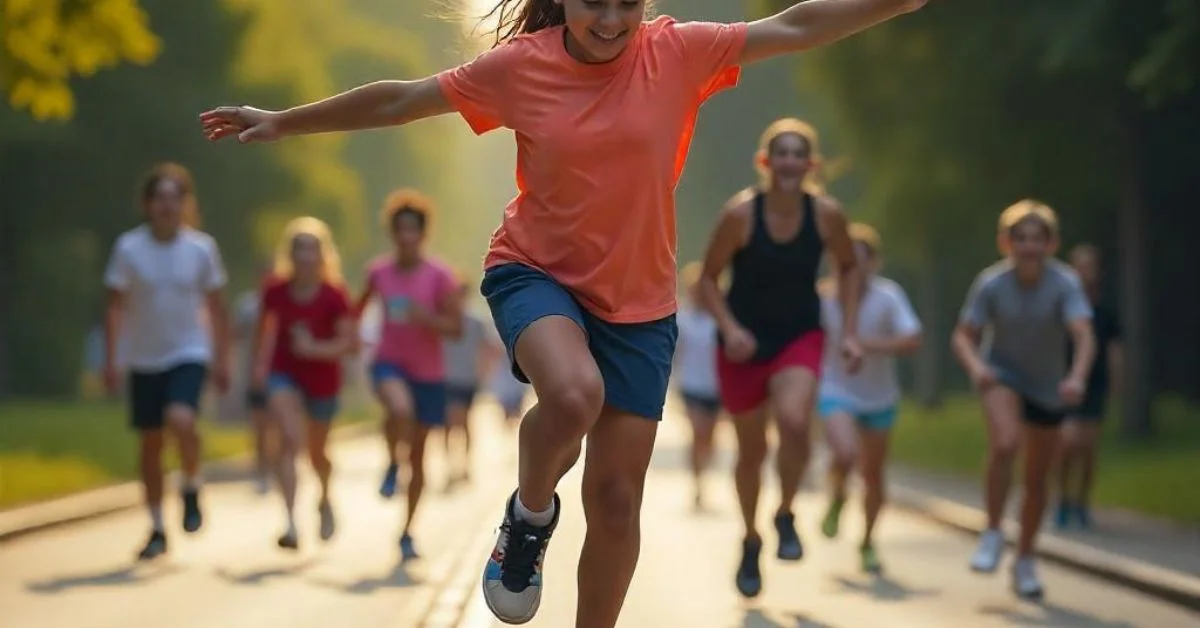
In recent years, a clear shift has happened in how teenagers approach sports. More and more teens now prefer solo sports over team-based activities. Whether it’s swimming, running, martial arts, or skateboarding, the trend is growing fast.
Freedom to Set Their Own Pace
Teens choose solo sports for self-direction
One of the biggest reasons teens prefer solo sports is the freedom it gives them. In team sports, players must follow group schedules, rules, and decisions. But in solo sports, teens can:
- Set their practice times
- Move at their own pace
- Improve without pressure from others
For example, a teenager who runs or cycles can train whenever they feel most energetic or free. There’s no need to wait for teammates or coaches. This level of independence appeals strongly to Gen Z teens who value freedom and control in every part of life.
Better Focus on Personal Growth
Solo sports help teens grow individually
Solo sports allow teens to compete with themselves, not others. They get to set goals based on their past performance, which builds:
- Stronger self-awareness
- Mental discipline
- Clear goal-setting habits
This personal growth builds lifelong skills that go beyond the field or court. Teens start to understand their strengths, work on their weaknesses, and see progress clearly. Unlike team sports, where success depends on group effort, solo sports let teens directly connect their efforts to their results, which increases motivation and satisfaction.
Less Drama and Peer Pressure
Avoiding team politics is a big reason
Many teens complain that team sports bring unnecessary drama, favoritism, or pressure to fit in. Solo sports remove these stress points. Teens don’t have to deal with:
- Group conflicts
- Peer comparison
- Social anxiety from being judged
Instead, they focus purely on performance and enjoyment, which keeps them mentally healthier and more confident. Teens often say they feel “more themselves” when practicing solo, and that freedom helps build identity during their formative years.
Flexible Scheduling for Busy Lives
Solo training fits into school and life
Today’s teenagers have packed schedules. Between school, homework, part-time jobs, and social life, there isn’t always time for structured team practice. Solo sports solve that problem.
Teens can:
- Train early in the morning or late at night
- Use online workouts and coaching apps
- Keep progressing without strict practice hours
Solo workouts also help teens maintain consistency. If they miss one day, they don’t feel like they’ve let others down. This low-pressure environment increases long-term commitment and encourages healthy habits.
Use of Technology in Training
Apps and trackers support solo workouts
With modern fitness trackers, mobile apps, and YouTube tutorials, solo sports have never been more accessible. Teens love using:
- Strava for running or cycling
- MySwimPro for swimming
- Fitness wearables like Fitbit or Apple Watch
These tools give instant feedback, help track progress, and make the training process fun and interactive. It removes the need for coaches or teammates to guide every session. Teens feel in control of their journey, which leads to stronger personal accountability.
Rise of Mental Health Awareness
Solo sports reduce stress and anxiety
Many teens today are more aware of their mental health. They choose solo sports to:
- Avoid the pressure of winning or letting a team down
- Build peaceful routines
- Use exercise as a tool to manage stress
Solo activities like yoga, running, or hiking offer quiet time. They create space for self-reflection and calm, which helps manage anxiety and depression. According to many health studies, regular physical activity, especially self-directed, significantly reduces mental health issues in young people.
Desire for Creative Expression
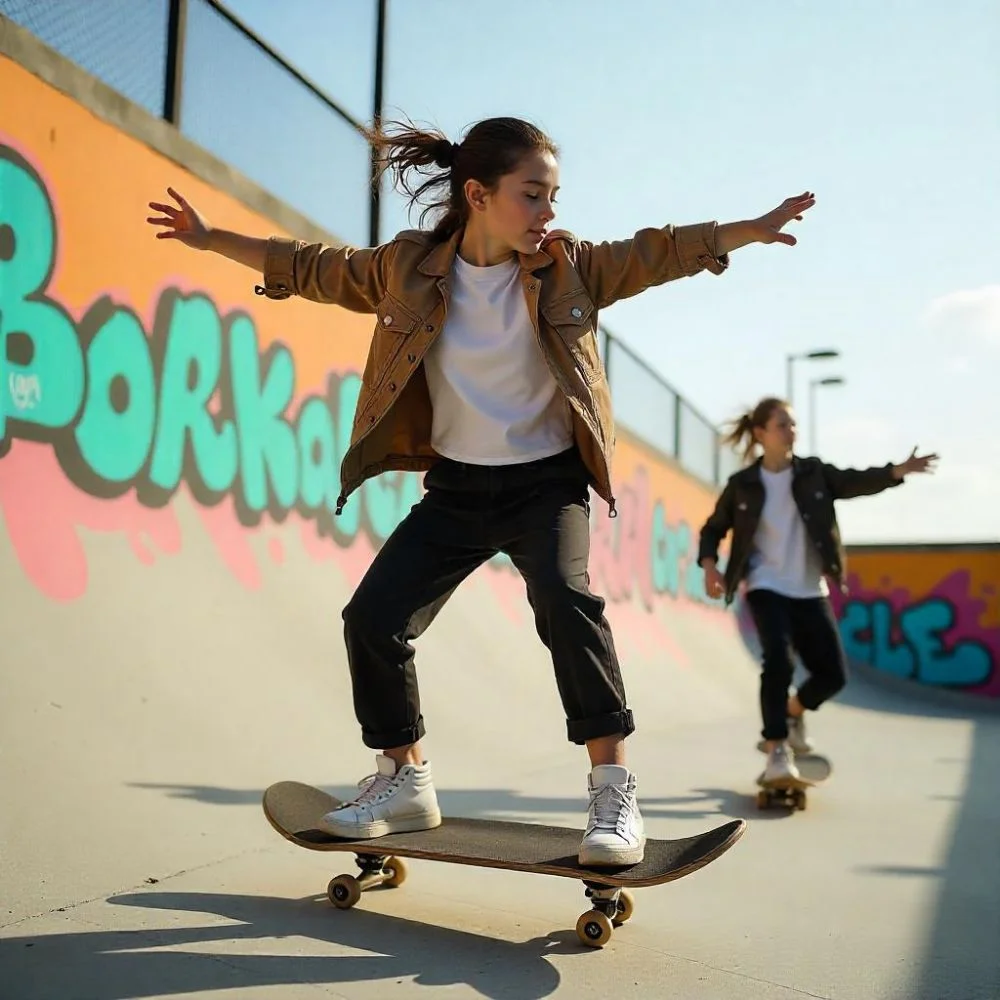
Sports like skateboarding give freedom
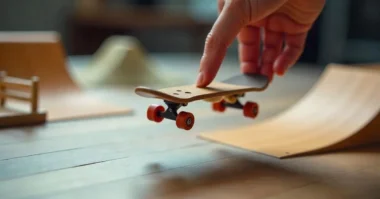
Not all teens want strict rules or uniforms. Some want to express their creativity. Sports like:
- Skateboarding
- Parkour
- Surfing
- Dance fitness
give teens a chance to mix movement with music, tricks, and personal style. There’s no “right way” to do it, which makes it fun and freeing. Many also use these solo activities as a way to showcase their personality on social media, making it more than just a workout, it becomes an identity.
 No Need for Comparison with Teammates
Teens feel safer without constant judgment
In solo sports, teens only compete with their past selves. In team settings, they often face:
- Constant comparison from coaches or teammates
- Feeling left out or blamed for the team loss
- Pressure to meet group expectations
Solo activities help teens stay focused on progress, not perfection. They control the process, which builds confidence. There’s no scoreboard, no benching, and no unfair favoritism just self-driven success.
Social Media and Solo Sport Communities
Online sharing keeps them connected
Solo doesn’t mean alone. Many teens now find communities online based on their interests. They share progress, tips, and routines on platforms like:
- Instagram fitness pages
- TikTok workout routines
- YouTube personal training channels
Even solo athletes feel part of a larger group. This online interaction gives support and motivation without needing a team. These platforms also make solo sports trendier, creating positive peer influence rather than pressure.
Pandemic Influence and Health Safety
COVID-19 shifted teen sports culture
The COVID-19 pandemic pushed many young athletes toward solo sports. Social distancing, lockdowns, and school closures meant:
- Team practices were canceled
- Sports events were postponed
- Health concerns became serious
Many teens took up solo workouts to stay active. Even after the pandemic eased, they stayed with these habits because they found them simple, effective, and flexible. The global crisis rewired how teens see activity and self-care, placing a long-term focus on solo efforts.
Parents Encourage Safer, Individual Activities
Family support makes solo sports grow
Parents often worry about injuries, bullying, or time wasted in team settings. Solo sports like:
- Martial arts
- Swimming
- Running
- Gymnastics
- Help teens stay fit
- Don’t depend on teams or matches
- Allow flexible training at home or nearby centers
Parents also appreciate the character-building nature of solo sports; responsibility, focus, and goal-setting are all traits that teens can carry into adulthood.
Conclusion
The reasons why teens choose solo sports over team activities are many and meaningful. The shift is not a rejection of team spirit, but a smart response to modern challenges. Solo sports offer independence, flexibility, and self-growth, things teens value more than ever today. This trend will likely grow as new technologies and social norms continue to support personal choice and wellness.