Table of Contents
- What Is the PSP2?
- What Is the UDNA Chipset?
- PSP2 Will Likely Have Powerful RAM and Cache
- AI Upscaling: Sharp Looks, Less Power
- PSP2 Expected Features
- How PSP2 Is Different from Earlier Sony Handhelds?
- When’s It Coming?
- How Much Will the PSP2 Cost?
- Why Gamers Can’t Wait?
- Why Is Sony Making Another Handheld?
- Sony’s Big Plan
- FAQs
- Conclusion
Sony is reportedly working on a brand-new handheld gaming device that people are calling the PSP2. This device may include a fast UDNA chipset, which means it will be powerful enough to play big games, just like a PlayStation 5. Even though it’s not officially announced yet, the rumors and leaks are very exciting.
What Is the PSP2?
The PSP2 is expected to be Sony’s next portable gaming system.
- It will be a handheld device you can take anywhere.
- It won’t just stream games. It will play games directly, like a mini PS5.
- It may compete with other handhelds like Nintendo Switch, Steam Deck, or even Xbox’s future handheld.
This device is still under development and may launch in 2026 or 2027.
What Is the UDNA Chipset?
The UDNA chipset is a new type of chip made by AMD, the company that also helps build the PlayStation 5 hardware.
- UDNA is faster and more efficient than older chips.
- It combines both the CPU (brain of the device) and the GPU (graphics part) into one chip.
- It is designed for high-performance gaming while using less battery.
In simple terms: This chip helps the PSP2 play big, beautiful games without overheating or slowing down.
PSP2 Will Likely Have Powerful RAM and Cache
Based on leaks, the PSP2 may include:
- 16GB of LPDDR5X RAM: This is very fast memory used in gaming laptops and phones.
- 4MB of L2 cache and 16MB of MALL cache: Cache helps store and access data more quickly.
This means the device will handle games smoothly and switch between screens fast.
AI Upscaling: Sharp Looks, Less Power
The PSP2’s AI upscaling is a big win, boosting image quality without overloading the hardware. Sony’s PlayStation Spectral Super Resolution (PSSR) or AMD’s FidelityFX Super Resolution 4 (FSR 4) could let the PSP2 render games at lower resolutions and upscale to 1080p or more. This means clearer visuals, smoother frames, and longer battery life.
AI upscaling is huge for handhelds, where screens are small and power is tight. For example:
- Games at 720p can upscale to 1080p, saving juice.
- PSSR adjusts visuals on the fly for steady performance.
- Unlike the Nintendo Switch 2’s NVIDIA DLSS, Sony’s tech could give it an edge.
Leaks say the PSP2 will be the only handheld with UDNA-based AI upscaling until AMD’s next Ryzen Z-series chips hit around 2029. This makes the PSP2 a unique beast, delivering console-like visuals in your hands.
PSP2 Expected Features
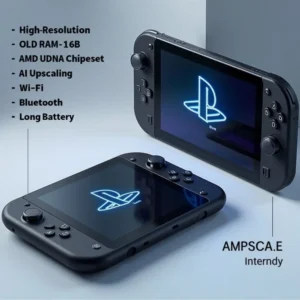 Here are the most talked-about features that PSP2 might have:
- UDNA chipset from AMD (new and powerful)
- 16GB of fast RAM for quick game loading
- AI upscaling to make graphics better
- Runs games locally (not just streaming)
- Can play PS4 or PS5 games
- High-resolution display (maybe OLED)
- Touchscreen and gamepad buttons
- Good battery life with efficient power use
- Wi-Fi, Bluetooth, and maybe cellular connection
How PSP2 Is Different from Earlier Sony Handhelds?
| Feature | PSP (2004) | PS Vita (2011) | PSP2 (Rumored 2026–27) |
| Processor | ARM-based | ARM-based | AMD UDNA APU |
| RAM | 64MB–128MB | 512MB–1GB | 16GB LPDDR5X |
| Can Play PS4/PS5 Games | No | No | Yes (Rumored) |
| AI Graphics Upscaling | No | No | Yes |
| Release Year | 2004 | 2011 | 2026 or later |
When’s It Coming?
Leaks point to a 2027 or 2028 launch, tied to the PS6. This fits, as UDNA GPUs should hit production in Q2 2026. Launching both devices together would boost Sony’s ecosystem, with shared tech. But waiting too long could let the Switch 2 take over by 2027.
The PSP2’s impact could be huge:
- Reviving Sony’s Handhelds: A hit PSP2 would put Sony back on top.
- Growing PlayStation’s Reach: A portable device could pull in casual gamers.
- Pushing Tech Forward: UDNA and AI upscaling could raise the bar.
Sony’s shared UDNA plan for PS6 and PSP2 shows a smart long-term play to simplify development and boost cross-play. If done right, the PSP2 could shake up handhelds.
How Much Will the PSP2 Cost?
No one knows the exact price yet, but many tech insiders believe:
- PSP2 may cost around USD 499 or more.
- Price may depend on storage, features, and screen quality.
- It may also have different models or bundles.
This puts it close to the price of the PS5, but the powerful hardware justifies it.
Why Gamers Can’t Wait?
The PSP2’s rumored features have gamers hyped. The UDNA chip promises console-level power for AAA games like God of War or Spider-Man. AI upscaling delivers great visuals without killing the battery. Sony’s PlayStation library gives it a leg up over PC handhelds relying on third-party stores.
What fans want:
- Exclusive Games: Titles built for PSP2 to show its muscle.
- Easy to Carry: A slim design for travel.
- Fair Price: A cost that draws in more players.
X posts show fans loving the UDNA tech and dreaming up game ideas, though some worry about price and timing. Sony needs to nail the launch.
Why Is Sony Making Another Handheld?
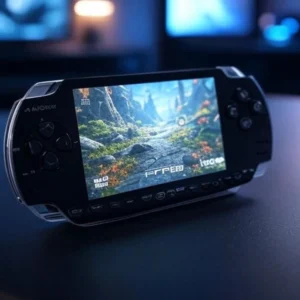 Sony has already tried the handheld market twice, with the PlayStation Portable (PSP) and later the PlayStation Vita. While both had loyal fan bases and great games, they didn’t come close to the massive success of Sony’s home consoles like the PS2, PS4, or PS5. So why would Sony return to handheld gaming?
One big reason is the changing gaming landscape. Devices like the Nintendo Switch have shown that there’s strong demand for gaming on the go. The Switch became a global hit by combining handheld convenience with console-quality games. At the same time, PC-based handhelds like the Steam Deck and ROG Ally have proven that there’s an audience for portable devices with serious power.
Sony’s Big Plan
The PSP2 fits Sony’s goal to rule gaming across devices. Using UDNA for PS6 and PSP2, Sony’s building a tight ecosystem where developers can hit multiple platforms easily. This echoes Nintendo’s Switch, blending home and portable play. Sony’s AI and efficiency focus also sets them up to take on NVIDIA and Microsoft in handhelds.
The PSP2 could go beyond gaming. Rumored 3G/5G from old 2011 leaks and media features could make it a streaming, browsing, and chat hub. If Sony pitches it as a gaming and entertainment device, it could reach more people.
FAQs
Q1: Will the PSP2 need Wi-Fi to work?
No. It should play games natively, without internet, just like a regular console.
Q2: Can it replace the PlayStation 5?
No, but it may run similar games. It’s made for portable gaming, not home use.
Q3: Will PSP2 support old PSP or Vita games?
It’s unclear. Backward compatibility hasn’t been confirmed.
Q4: How heavy will it be?
There’s no information yet, but Sony will likely make it light and comfortable to hold.
Q5: Can we play multiplayer games on it?
Most likely yes, with Wi-Fi or Bluetooth and access to PSN for online features.
Conclusion
Sony’s rumored PSP2 is looking like a big leap forward for handheld gaming. With a fast UDNA chipset, AI graphics, 16GB RAM, and the ability to run big games, it could change how people play games on the go. While we still wait for an official announcement, everything we’ve heard so far is exciting. If Sony delivers on the promise, the PSP2 could become the best portable gaming device ever made.