
Table of Contents
- Get Ready Early: Smart Pre-School Prep
- Build a Sleep Schedule That Works
- Build Easy Daily Routines at Home
- Happy Start to the Day
- Ease Back-to-School Anxiety
- Help Kids Feel Socially Ready
- Set the Stage in the Classroom
- Encourage Positive Habits
- Keep Motivation Going
- Create a Calm Evening Wind-Down
- Organize Smartly at Home
- Support Young Learners
- Practice Real-Life Skills Together
- Celebrate the Whole Journey
- Make School Feel Special Again
- Final Thoughts
The start of the school year brings excitement and a little anxiety for students, parents and teachers alike. With the right mindset and a few smart back-to-school ideas and activities, this transition can be smooth, stress-free and even fun. Whether you’re a parent prepping at home or a teacher welcoming students back, these simple and creative tips will help everyone start the year with confidence and joy.
Get Ready Early: Smart Pre-School Prep
Start your back-to-school planning at least a week in advance. This helps reduce last-minute stress and gives everyone time to adjust.
1. Involve Kids in the Prep
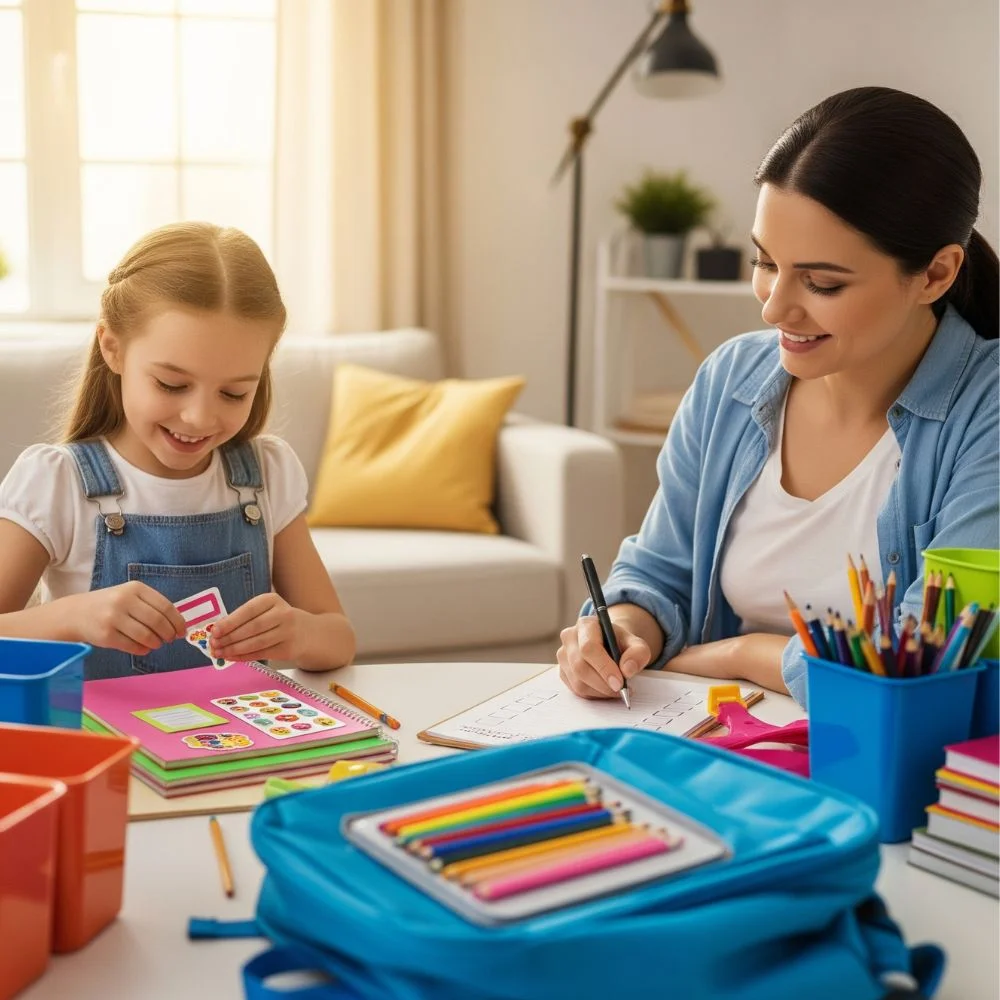
Let kids be part of the process. Make a checklist together, organize supplies with labels and bins, and practice school routines like wake-up times and packing bags. When kids are included in the process, their confidence grows.
2. Save on Supplies
Keep things budget-friendly with simple hacks:
- Swap extras with other families.
- Create DIY labels and name tags.
- Look for thrift-store deals on uniforms and backpacks.
3. Create an Essentials Kit
Prepare a zipper pouch with items like pencils, erasers, tissues, sanitizer and sticky notes, so your child always has the basics on hand.
Build a Sleep Schedule That Works
Getting back on a school sleep schedule takes time, especially after long summer nights. Help kids adjust by moving bedtime earlier in small steps, about 15 minutes every few days. Use calming bedtime routines like reading or warm baths to help them relax. Make bedrooms sleep-friendly by turning off screens, lowering lights and keeping things quiet. A good night’s rest helps children wake up refreshed, focus better on class and feel happier throughout the day.
Build Easy Daily Routines at Home
1. Simple Daily Routines
Start building predictable, calm routines before school begins:
- Pack bags, clothes and lunch the night before.
- Create a homework station with supplies and quiet space.
- Use Sunday evenings to preview the upcoming week.
- Power down screens 30 minutes before bedtime.
2. Cozy Study Spaces
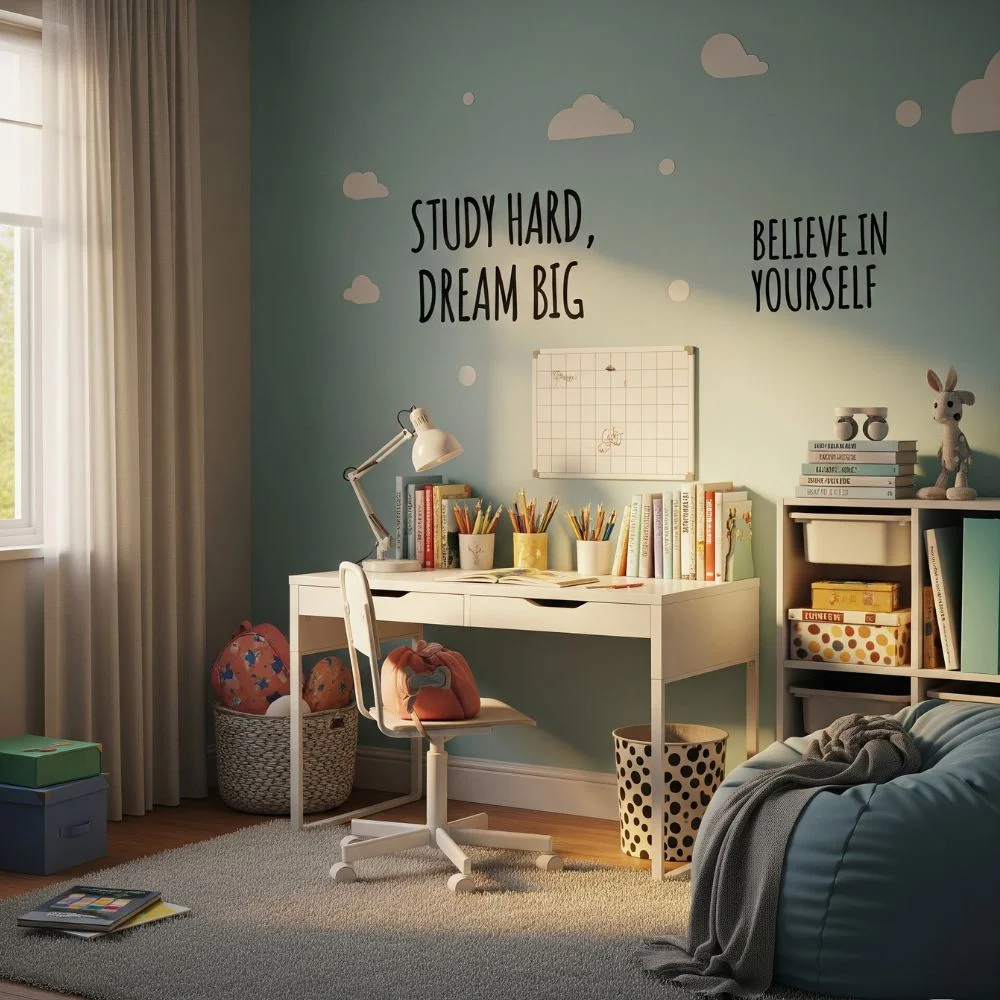
Designate peaceful corners for learning. Add soft lighting, calming colors, goal walls or quote boards to keep kids motivated and focused.
3. Quick Healthy Meals
Have nutritious grab-and-go options ready:
- Overnight oats, egg muffins or snack balls for breakfast.
- Simple sheet-pan dinners for busy evenings.
Happy Start to the Day
1. Happy Morning Starters
Make mornings joyful:
- Play an upbeat or calming playlist.
- Share one thing everyone’s grateful for.
- Do a 2-minute stretch together.
- Talk about daily goals over breakfast.
2. Make the Ride to School Fun
Whether by car, bus or walking:
- Play music or share jokes.
- Spot animals or signs on the way.
- Use this time for calm conversations or games like “I Spy.”
A cheerful start makes kids more relaxed and ready to learn.
Ease Back-to-School Anxiety
Returning to school can trigger worry in kids, especially after a long break or if they’re starting a new grade. Help reduce this anxiety with gentle emotional tools:
- Talk openly about their feelings and normalize nervousness.
- Use role-play to act out typical school day scenarios.
- Put together a tiny comfort kit for their backpack, like a kind note, a little toy or something soothing to help them feel secure.
- Encourage breathing exercises or short meditations in the morning.
- Teachers can include calm-down corners in class or use read-aloud that address emotions.
These small efforts help children feel seen, supported and emotionally ready.
Help Kids Feel Socially Ready
1. Reconnect After Summer
Remind kids of past friendships and familiar faces to reduce nerves. Arrange playdates or attend school orientation events. Teachers can support by pairing students in buddy systems.
2. Friend-Making Games
Ease social tension with fun activities:
- Class Bingo with interesting facts.
- A five-senses walk around the school.
- Goal toss games to share dreams.
This help build bonds quickly and comfortably.
Set the Stage in the Classroom
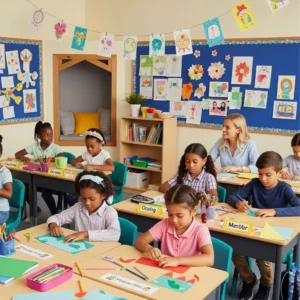
1. DIY School Crafts
Let students add their touch with simple projects:
- Decorate book covers or pencil toppers.
- Create name flags using hobbies.
- Set up art display boards to boost pride.
2. Teach Life Skills
Incorporate habits that last beyond the classroom:
- Encourage mindfulness and goal check-ins.
- Talk about teamwork and kindness.
- Teach balanced tech use and online safety.
3. Parent-Teacher Communication
Establish a strong partnership:
- Use welcome packets with class info.
- Exchange regular updates through journals.
- Share quick newsletters and student “About Me” sheets.
Encourage Positive Habits
Consistency in discipline and values between home and school creates a stable, safe environment.
Parents and teachers can align on basic expectations like kindness, respect or homework routines.
Use a shared reward system or similar language between home and classroom (“being a helper,” “making good choices”). Encourage open communication between the child, parent and teacher. Create a behavior reflection sheet for kids to think about challenges or wins. This teamwork builds responsibility, self-awareness, and trust across both spaces.
Keep Motivation Going
1. Make Learning Fun
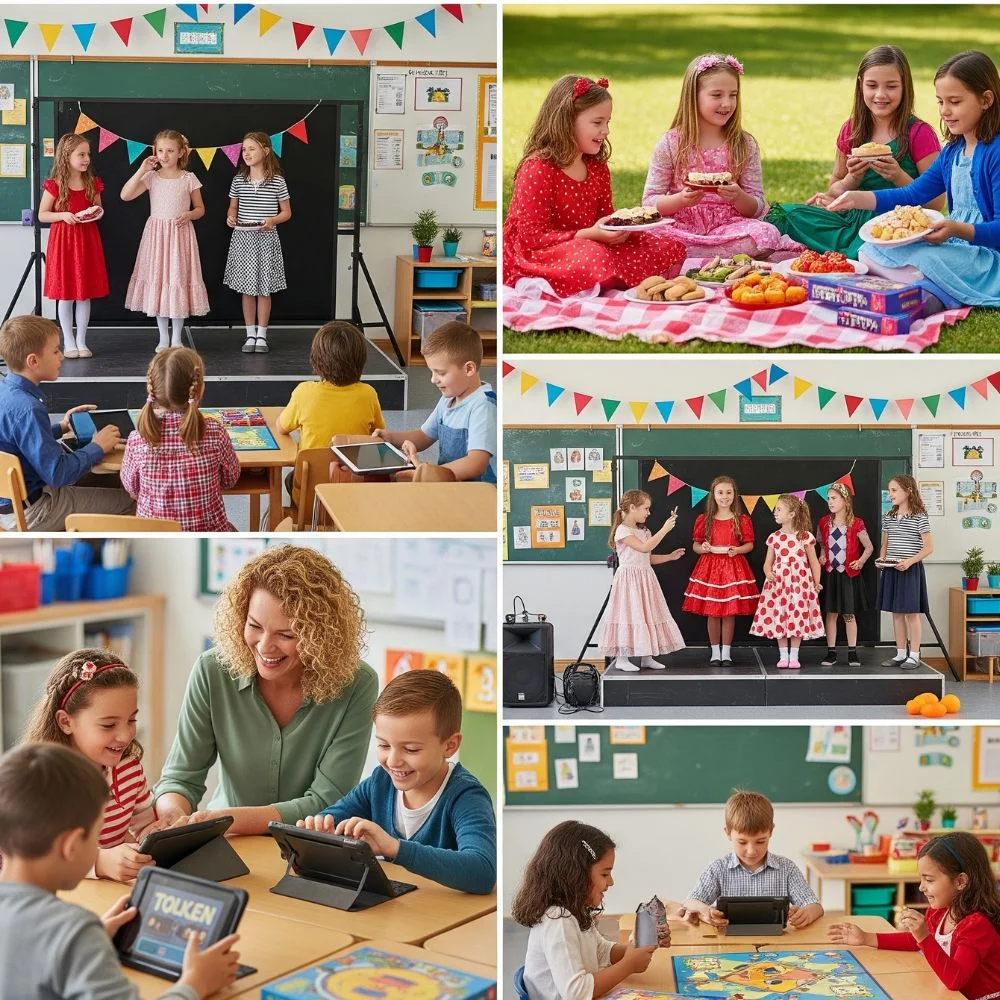
Inspire curiosity and joy:
- Try fun theme days or talent shows.
- Host after-school picnics.
- Explore educational games that mix learning with play
- End Fridays with “best moment” reflections.
2. Stay Motivated All Year
Keep energy high with small wins:
- Use sticker charts and vision boards.
- Celebrate effort with mini rewards.
- Do short pep talks in the morning.
3. After-School Reset Ideas
Give kids time to recharge:
- Offer snacks and space to unwind.
- Let them play, read or build.
- Reflect on their day with “best and worst” chats.
Create a Calm Evening Wind-Down
After a full day of learning and activity, kids need time to relax and recharge. Create a peaceful evening routine that helps their minds and bodies slow down. This could mean turning off screens an hour before bed, reading a favorite book together, or talking about one good thing that happened during the day. Gentle routines like warm baths, soft music or a short bedtime chat can help children sleep better and wake up ready to learn. A calm evening leads to a strong tomorrow.
Organize Smartly at Home
1. Parent Time-Savers
Use systems to stay ahead:
- Prep meals weekly.
- Sync family calendars.
- Pre-plan outfits and store items in labeled bins.
2. Homework Made Simple
Support focus and consistency:
- Break study into 25-minute bursts.
- Try soft background music.
- Praise effort over perfection.
3. Organize the School Year
Maintain control with easy systems:
- Create a family command center.
- Use color-coded folders and backpack hooks.
- Keep a binder for each subject.
Support Young Learners
1. Little Learner Tips
For preschoolers or younger grades:
- Do a mock school day.
- Use picture schedules.
- Create goodbye rituals.
- Read books about starting school.
2. Mindset Matters
Help children feel strong and secure:
- Teach positive self-talk.
- Use daily wins journals.
- Normalize nerves, everyone feels them.
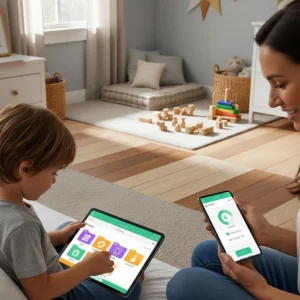
3. School-Ready Tech Tips
Balance tech use:
- Clean up device folders.
- Try fun learning apps.
- Set screen-time limits.
- Create tech-free zones at home.
Practice Real-Life Skills Together
School isn’t just about books and grades; real-life skills matter too. Take time at home to teach your child how to manage time, pack their own lunch, tie their shoes or even handle money for the canteen. These little skills build independence and help kids feel more capable and confident. Teachers can support by including small responsibilities in the classroom, like handing out materials or organizing supplies. When children learn to take care of themselves in simple ways, they carry that confidence into every part of their school day.
Celebrate the Whole Journey
1. Teacher Appreciation
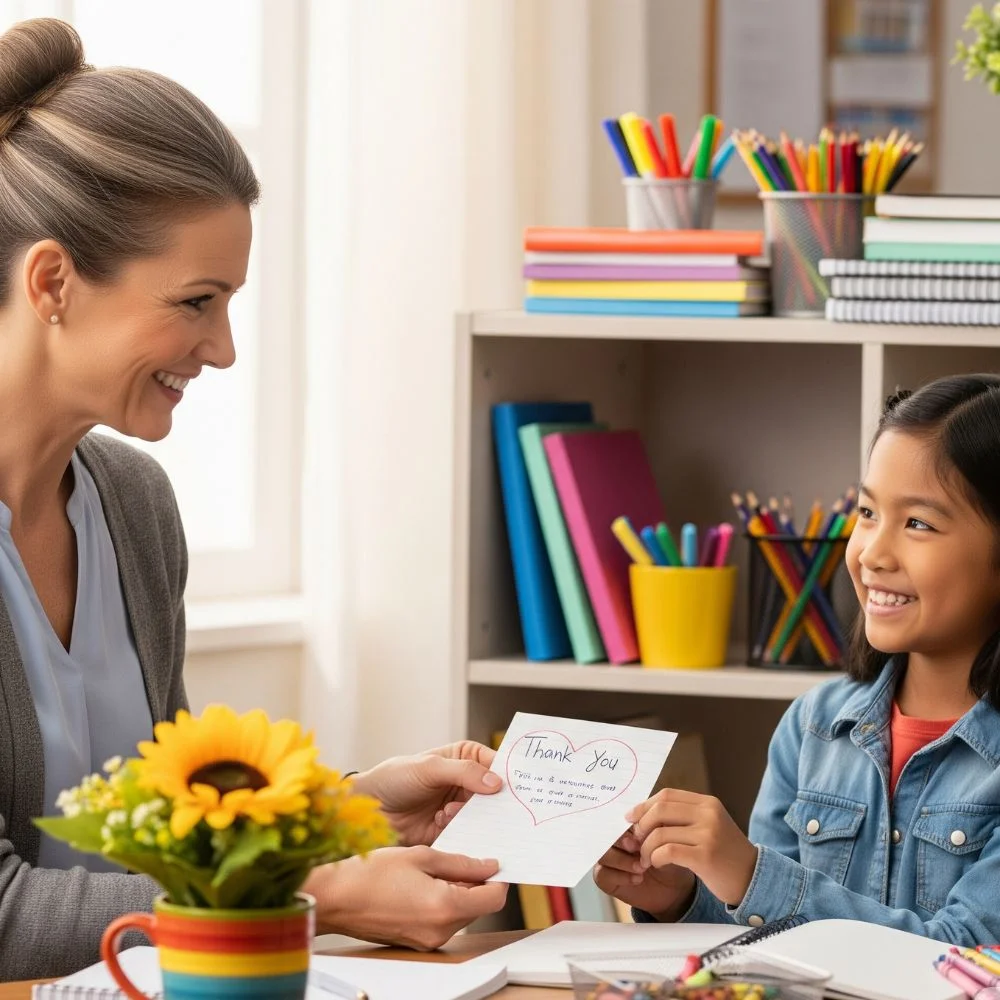
Show gratitude regularly:
- Write thank-you notes.
- Volunteer or donate class supplies.
- Share seasonal gifts or feedback.
2. Keep Excitement Alive
Maintain momentum with:
- Reading rewards and goal celebrations.
- Fun community service projects.
- End-of-year showcases or fairs.
Make School Feel Special Again
Sometimes kids need a little reminder that school can be exciting. Add small touches that make it feel special, like writing lunchbox notes, planning a “first week treat,” or decorating their study corner with favorite things. Teachers can kick off the year with surprise welcome notes or class traditions. When school feels personal and joyful, it becomes a place kids want to be, not just a place they have to go.
Final Thoughts
Back-to-school success is built on preparation, communication and joy. By starting early, establishing routines and focusing on relationships and motivation, families and educators can make the school year a confident, happy and memorable experience for every student.
Start today with one simple step, choose one idea from this list and try it out with your child or students. Whether it’s setting up a cozy study space, packing a school essentials kit or just sharing a positive goal at breakfast, small changes make a big difference. You’ve got this!