
Table of Contents
- What Are Fun Learning Programs?
- Why Ages 3 to 5 Are So Important?
- Fun Learning vs Traditional: What’s Better?
- Core Benefits of Fun Learning Programs
- Top Fun Learning Program Types
- The Power of Routine in Fun Learning
- Easy Learning Activities You Can Do at Home
- How to Choose the Right Program?
- Final Thoughts
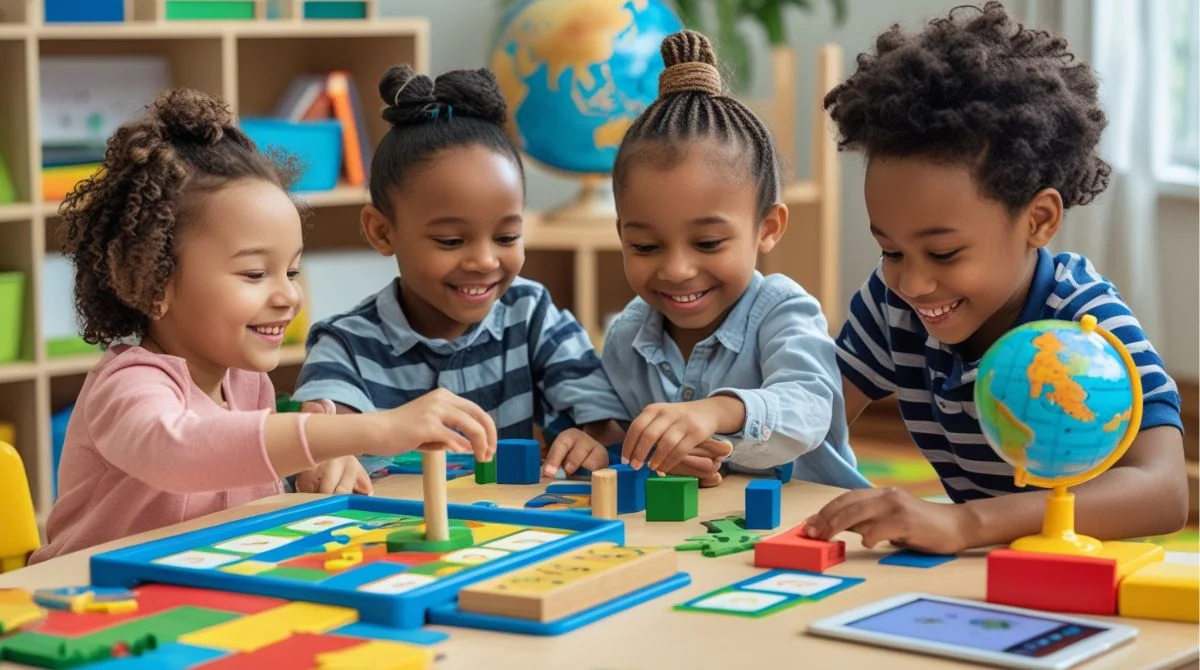
Children between the ages of 3 and 5 are curious by nature. Children love to explore by using their hands, moving around, asking questions and discovering how things work. This is a magical stage when their brains are growing rapidly and their eagerness to learn is at its peak. The best way to support this growth? Introduce fun learning programs for kids aged 3 to 5 that combine play, learning and creativity.
These programs aren’t about sitting in a classroom memorizing facts. They’re about hands-on experiences that spark imagination, build real-world skills and encourage joyful discovery. Parents, teachers and caregivers can support young children by using fun and age-appropriate activities that help them learn and grow.
What Are Fun Learning Programs?
Fun learning programs are activities specially designed for young children to explore the world while learning through play. These programs use things like games, music, movement, art, storytelling and nature to teach important life and academic skills.
Unlike traditional lessons, these activities feel more like play than work. They make use of a child’s natural interests and energy to introduce learning in a fun, low-pressure way.
Here’s what a good learning program might include:
- Interactive storytelling and reading aloud
- Art projects using simple materials like crayons and clay
- Music and dance activities that develop rhythm and coordination
- Outdoor play that introduces science and nature
- Counting games and shape puzzles that build early math skills
These programs are meant to be joyful, active and full of wonder, exactly what children love at this age.
Why Ages 3 to 5 Are So Important?
The early childhood years, especially from age 3 to 5, are critical for development. During this time, a child’s brain is forming connections at an amazing speed. In fact, over 90% of brain development happens before the age of six. That’s why the experiences children have during these years shape how they learn, behave and interact with others for the rest of their lives.
At this age, children are:
- Learning to speak in full sentences
- Asking questions non-stop
- Making sense of the world around them
- Starting to recognize letters, numbers and colors
- Learning to play with others, follow rules and express emotions
This is the ideal time to support their natural learning through activities that are fun, meaningful and rich with interaction.
Fun Learning vs Traditional: What’s Better?
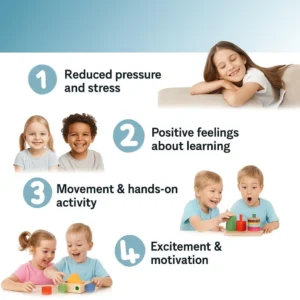
It’s tempting to want your child to get ahead academically, but research shows that learning through play is more effective for young children than formal lessons or screen-heavy methods. When kids are engaged in activities that feel like games, they actually learn faster and retain information longer.
Here’s why fun learning programs work:
- They reduce pressure and stress
- They build positive feelings about learning
- They involve movement and hands-on activity, which helps memory
- They strengthen social and communication skills
- They keep kids excited and motivated to explore new ideas
Core Benefits of Fun Learning Programs
Introducing fun learning programs to preschoolers brings many benefits. Here are some of the most important:
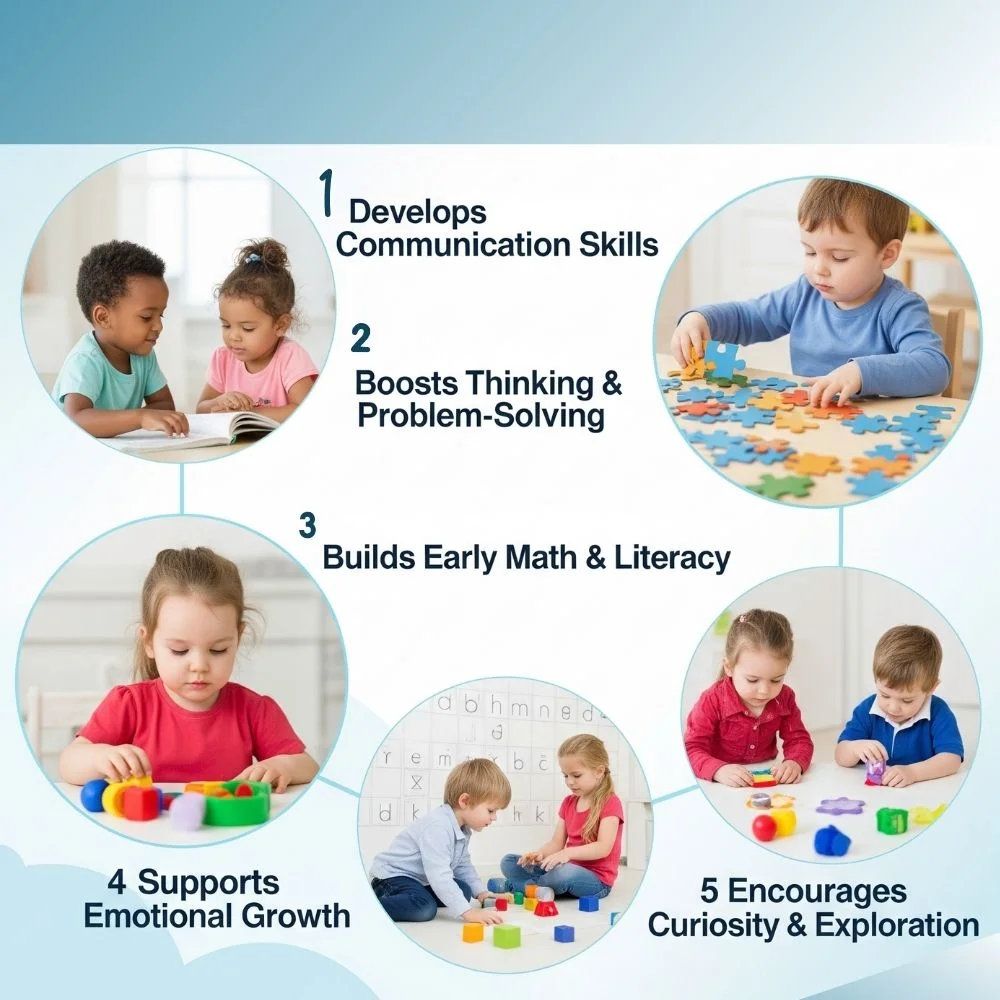
1. Develops Communication Skills
By singing songs, listening to stories and talking about their play, children improve vocabulary, listening and speaking skills. These are the building blocks of strong literacy.
2. Boosts Thinking and Problem-Solving
Simple games like matching, building with blocks or solving puzzles help kids learn how to think through problems and try different solutions. This builds confidence and logic.
3. Builds Early Math and Literacy
Kids learn best when they’re not even aware they’re learning. Counting objects while playing, identifying letters in a story, or naming shapes during snack time are all great ways to build early math skills and support overall academic development.
4. Supports Emotional Growth
Group play and collaborative activities teach children how to share, wait their turn, handle frustration and show empathy. Learning to understand emotions and interact well with others is just as valuable as learning letters and numbers.
5. Encourages Curiosity and Exploration
Fun programs give kids the freedom to ask questions, try new things and make discoveries. That kind of learning stays with them far beyond preschool.
Top Fun Learning Program Types
There’s no single “best” program. The right choice depends on your child’s interests, your schedule and what’s available in your area. Here are some top options to consider:
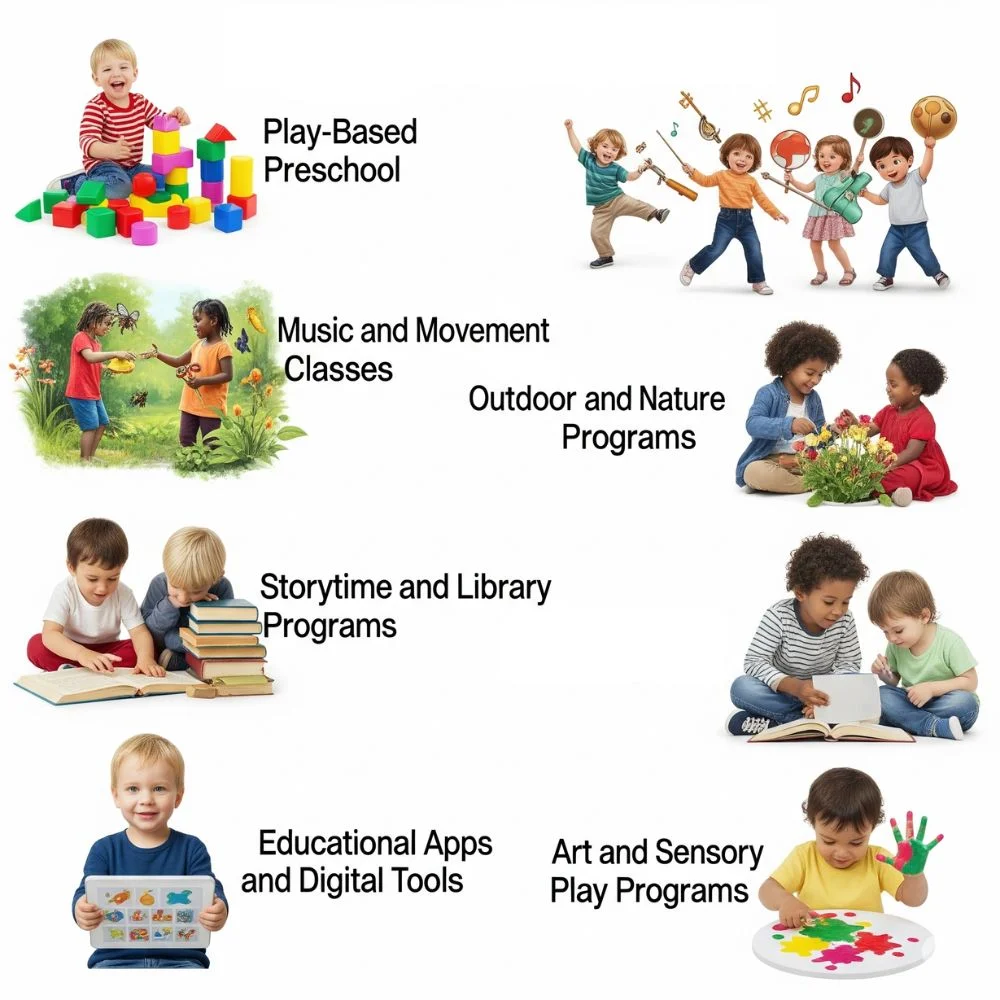
1. Play-Based Preschool
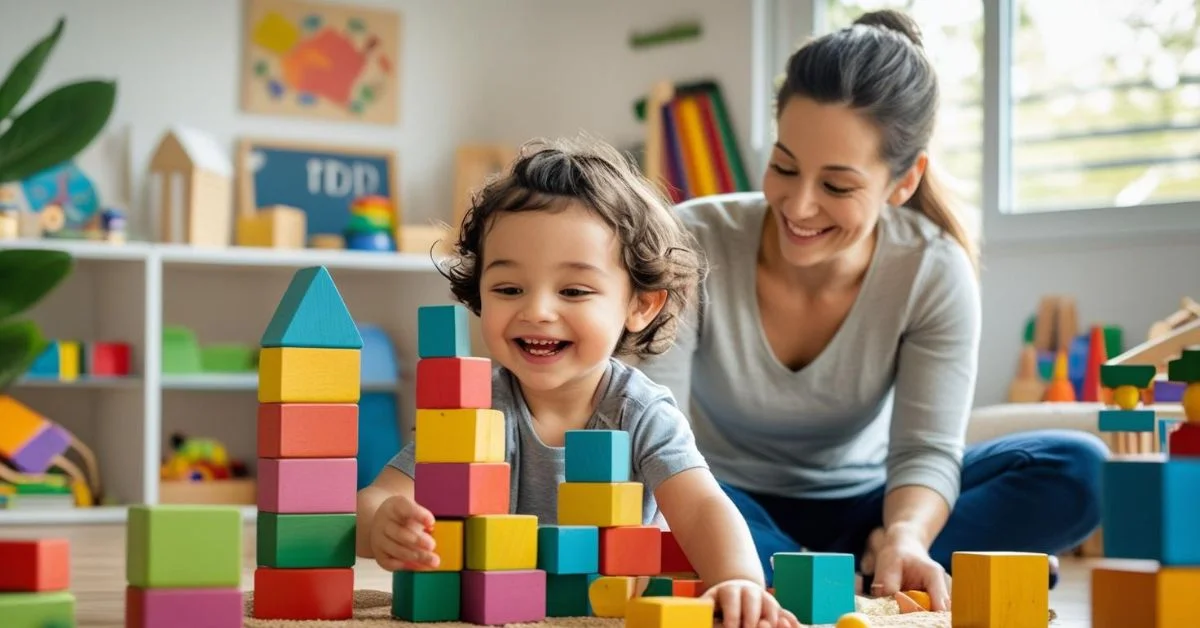
These programs are built around playtime as the core learning method. Kids explore different centers, like building blocks, reading corners or pretend kitchens and learn through self-guided play.
2. Music and Movement Classes
Programs like Music Together use instruments, singing and dancing to help kids develop rhythm, coordination and a love for music. These activities also help children grow their vocabulary and become better listeners.
3. Outdoor and Nature Programs
Forest schools and garden-based learning programs give children the chance to explore nature, climb trees, dig in the dirt and observe animals. These experiences support science learning and physical development.
4. Storytime and Library Programs
Local libraries often offer free story hours with books, songs and puppet shows. These sessions help build vocabulary, listening and early literacy in a relaxed setting.
5. Educational Apps and Digital Tools
Used in moderation, apps like PBS Kids, Lingokids or Khan Academy Kids can introduce early math, reading and logic in fun and interactive ways. It’s important to limit screen time and make sure kids still enjoy plenty of hands-on play and real-world experiences.
6. Art and Sensory Play Programs
Finger painting, clay modeling, water tables and sandboxes give kids the chance to explore with their senses. These activities help with fine motor skills and creative thinking.
The Power of Routine in Fun Learning
While fun and variety are important, young kids also need routine. A daily rhythm helps them feel safe, focused and ready to learn.
1. Why Routines Help Kids Learn
Children between 3 and 5 learn better when they know what to expect. Simple routines:
- Make them feel secure
- Help them focus better
- Teach responsibility and patience
For example, having Storytime every morning or art time after lunch gives them structure and comfort.
2. Fun Can Still Be Flexible
Even with routines, it’s okay to change plans sometimes. If a child wants to dig in the garden instead of doing puzzles, go with it! Letting kids follow what interests them is a key part of making learning fun and effective.
Keep a balance:
- Repeat favorite songs or games
- Try new activities slowly
- Give time for free play
3. Learning Through Daily Habits
You can turn everyday tasks into learning moments. Brushing teeth, getting dressed or picking books before bed, all of these can teach skills like independence, choice-making and responsibility.
A simple, fun routine builds confidence and helps kids enjoy learning every day.
Easy Learning Activities You Can Do at Home
You don’t need a special curriculum to help your child learn. Here are some simple, no-cost activities that turn everyday moments into learning opportunities:
- Shape Treasure Hunt: Cut out paper shapes and hide them around the room. You can create a simple shape hunt, ask your child to look for circles, squares or triangles around the room.
- Counting Snacks: Before snack time, ask your child to count raisins, crackers or apple slices.
- Pick a letter of the day: and challenge your child to find objects that begin with that sound in your home.
- After finishing a story: invite your child to share the main parts in their own words to boost understanding and memory.
- Build with Recyclables: Use cardboard boxes, tubes and bottle caps to make a robot or castle.
- Dance and Freeze Game: Play music and ask your child to dance, then freeze when the music stops.
- Weather Watcher Chart: Create a weekly chart to track sunny, rainy or windy days.
These small games not only teach important skills, but they also build strong bonds between you and your child.
How to Choose the Right Program?
Not all programs are created equal. Here’s what to look for when selecting or creating a fun learning program for your 3 to 5-year-old:
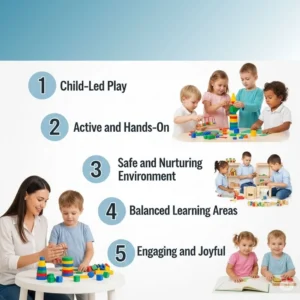
- Child-led play: The best programs let children make choices and follow their interests.
- Active and hands-on: Kids should move, build, talk and create, not just sit and watch.
- Safe and nurturing environment: Warm, patient adults make children feel safe and confident.
- Balanced learning areas: Look for programs that support physical, social, emotional and academic growth.
- Engaging and joyful: Learning should be fun, not forced or stressful.
Final Thoughts
Trying out fun learning programs for kids aged 3 to 5 is one of the best investments you can make in your child’s future. Whether it’s a structured preschool class or a simple game you play at home, what matters most is that learning feels exciting and meaningful.
Children are naturally curious. Give them the space, tools, and support to gro,w and you’ll be amazed at what they can do. The more joyful their early learning experience is, the more likely they are to become confident, motivated, and lifelong learners.