
Table of Contents
- Choose the Right Travel Season
- Plan the Best Driving Route
- Stop at Scenic Towns and Landmarks
- Book Your Lodging in Advance
- Explore Both Parks Efficiently
- Prepare for Wildlife and Safety
- Pack the Right Gear
- Understand Park Entry Rules and Passes
- Stay Connected but Unplugged
- Try Local Food and Culture
- Stay Flexible with Your Plans
- Conclusion
Plan your trip from Yellowstone to Glacier Park to experience two of the most iconic national parks in the U.S. This route takes you across the heart of Montana and offers stunning views, vibrant small towns, scenic highways, and unforgettable outdoor experiences. With the right planning, your road trip becomes smooth, safe, and filled with memorable stops.
Choose the Right Travel Season
The time of year you choose can shape your entire trip. The weather in Montana can shift quickly, particularly in mountainous areas.
- Summer (June to August) is ideal for visiting both Yellowstone and Glacier. All roads are generally open, and the weather is warm and pleasant.
- Spring (May) and Fall (September) are quieter but come with limited road access due to snow in higher passes.
- Traveling in winter is discouraged, as snow and ice frequently obstruct roads and park entrances, creating hazardous conditions.
Check current road conditions and park alerts before finalizing your travel dates.
Plan the Best Driving Route
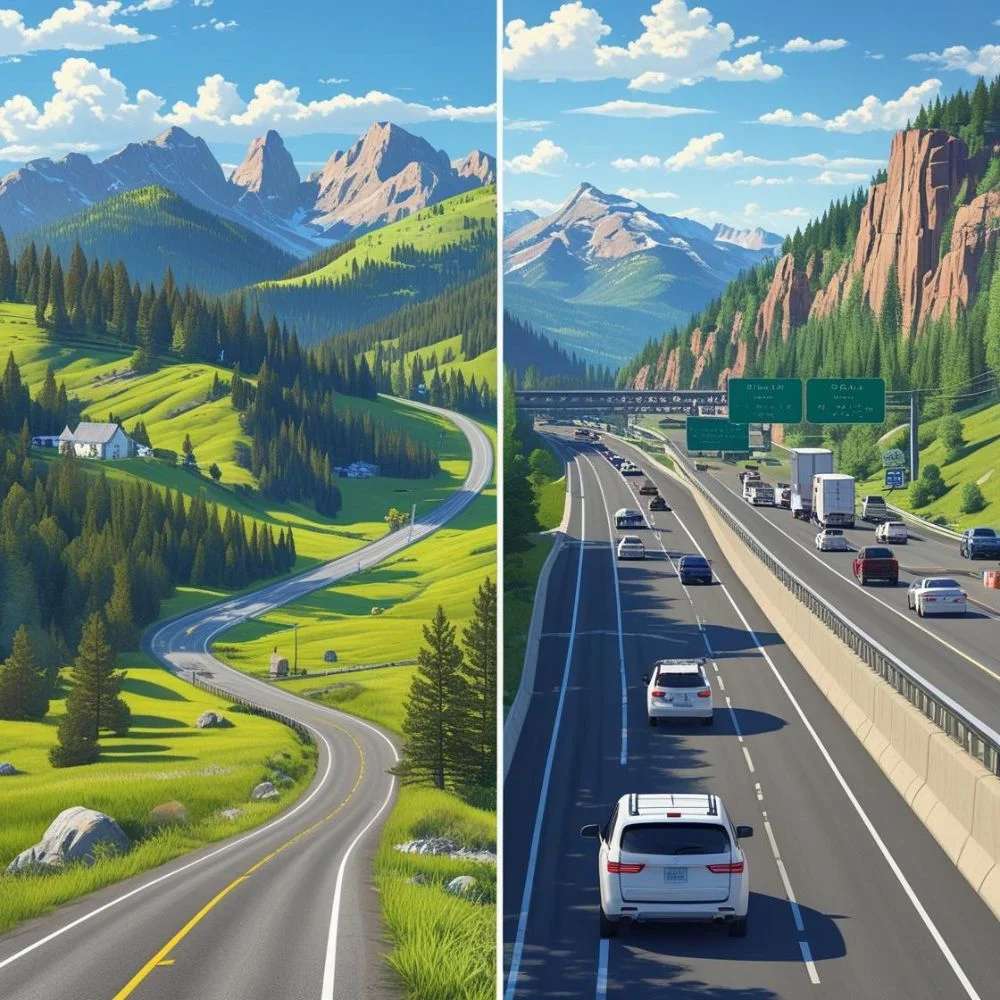
Planning your route from Yellowstone to Glacier depends on how much time you have and what kind of experience you’re looking for. The distance between the two parks is around 370 miles, and the drive typically takes 6 to 8 hours, depending on traffic, road conditions, and how many stops you make. Some travelers may prefer a faster route through major highways, while others might choose a more scenic path with small-town stops and photo opportunities along the way.
1. Route 1: US-89 North (Scenic Drive)
- Exit Yellowstone through Gardiner (North Entrance)
- Follow US-89 through Livingston, White Sulphur Springs, and Great Falls
- Head west on US-2 to arrive at the eastern entrance of Glacier National Park
This scenic route is perfect for travelers who enjoy peaceful landscapes and rural Montana towns.
2. Route 2: I-90 West and US-93 North (City Stops)
- Exit Yellowstone through the West Entrance
- Travel north on US-191 to Bozeman, then join I-90 heading west.
- From Missoula, follow US-93 North toward Kalispell, and enter Glacier National Park through the western entrance.”
This option suits travelers who prefer a faster route with stops in larger towns and better lodging choices.
Stop at Scenic Towns and Landmarks
A big part of this road trip is stopping to enjoy Montana’s beauty. Several towns and landmarks along the way are worth your time.
- Livingston offers a quaint small-town vibe with western character, local shops, and cozy cafes.
- Helena, the capital of Montana, features a rich history, notable architecture, and several museums
- Great Falls: Offers waterfalls, riverside parks, and the Lewis & Clark Interpretive Center
- Flathead Lake: A scenic spot to rest, swim, or picnic during summer
- Missoula: A vibrant college town with parks, restaurants, and art galleries
These stops give you a break from driving and add more flavor to your trip.
Book Your Lodging in Advance
Lodging fills up quickly during the peak travel months, especially from June through August when both parks are busiest. By planning and booking your accommodations in advance, you not only secure a place to stay but also get access to better prices and a wider selection of hotels, lodges, or campsites. Waiting until the last minute can limit your options and lead to higher costs or longer drives to available locations.
1. Near Yellowstone
- Gardiner (North Entrance): Great for early starts into the park
- West Yellowstone: Offers easy access to major attractions like Old Faithful
- Cooke City: Ideal for exploring Lamar Valley
2. On the Route
- Livingston: Perfect overnight stop on US-89
- Great Falls: Midway stop with hotels and restaurants
- Missoula: For city comforts and a cultural break
- Kalispell: Base for Glacier’s west side
3. Near Glacier
- West Glacier: Conveniently located near the park’s primary visitor center.
- East Glacier: Offers easy access to hiking trails
- St. Mary: Ideal for access to Going-to-the-Sun Road
Use online booking platforms or official park websites to reserve rooms or campsites in advance.
Explore Both Parks Efficiently
Both Yellowstone and Glacier National Parks cover vast areas, with many of their main attractions located far apart from each other. Without a plan, it’s easy to spend a lot of time driving or miss out on key sights. By organizing your visit in advance, knowing which entrances to use, what to see each day, and where to stop, you can make the most of your time and enjoy more of the parks without feeling rushed.
In Yellowstone National Park
- Old Faithful: A must-see geyser that erupts regularly
- Grand Prismatic Spring is a vibrant, multicolored hot spring featuring surrounding boardwalks for easy viewing.
- Lamar Valley: Excellent for spotting bison and wolves
- Yellowstone Lake: Relaxing and scenic
- Mammoth Hot Springs: Unique rock terraces formed by mineral water
In Glacier National Park
- Going-to-the-Sun Road: One of America’s most scenic drives
- Lake McDonald: Great for kayaking or relaxing at the shore
- Logan Pass: Stunning views and alpine meadows
- Grinnell Glacier: Popular hiking destination
- Many Glacier: Ideal for wildlife watching and nature walks
Aim for at least 3 days per park to fully enjoy the experience without rushing.
Prepare for Wildlife and Safety
Traveling in Montana’s wildlands means you may encounter bears, elk, bison, and other animals. Staying safe is important.
- Never get close to wildlife
- Carry bear spray, especially when hiking
- Store all food in bear-proof containers
- Drive cautiously at dawn and dusk when animals are most active
Following park rules keeps both you and the animals safe.
Pack the Right Gear
Montana’s weather is known for changing rapidly, even during the summer months. You might experience sunshine in the morning, sudden rain in the afternoon, and cooler temperatures by evening, especially at higher elevations. To stay comfortable and safe, it’s important to pack the right clothing and essential supplies that allow you to adjust to different weather conditions throughout the day.
Clothing
- Light layers for warm days
- Jackets and long sleeves for cool nights
- Waterproof gear for rain or windy conditions
Travel Essentials
- Printed maps or downloaded offline maps
- Sunscreen and bug spray
- Refillable water bottles
- Healthy snacks for hikes and drives
- Flashlight, camera, and phone charger
Outdoor and Hiking Gear
- Hiking boots with a good grip
- Daypack for trail essentials
- First aid kit
- Trekking poles for longer hikes
Packing smart means you’ll be ready for whatever the road or trail brings.
Understand Park Entry Rules and Passes
Both Yellowstone and Glacier have entrance fees and access rules you should prepare for.
- Yellowstone: $35 per vehicle, valid for 7 days
- Glacier: $35 per vehicle, valid for 7 days
- The America the Beautiful Pass costs: $80 annually and provides access to all U.S. national parks.
- Glacier Vehicle Reservation: Needed during peak summer to drive Going-to-the-Sun Road
Buy passes online before your trip or at entrance stations. Keep digital or printed copies with you.
Stay Connected but Unplugged
Most of your trip will pass through remote areas with poor or no cell service. Be prepared and enjoy being unplugged.
- Download maps, guides, and apps in advance
- Let a friend or family member know about your travel itinerary
- Use a GPS or offline navigation app
- Carry a printed emergency contact list
Try Local Food and Culture
Enjoying local flavors and culture adds depth and meaning to your journey, making it more than just a scenic drive. Trying regional foods, visiting small-town markets, and experiencing local traditions or events help you connect with the people and history of the places you pass through. Experiences like these often turn out to be the highlights of the journey.
Tastes to Try
- Bison burgers
- Huckleberry pie or ice cream
- Grilled trout from local lakes
- Elk chili or steak
Cultural Stops
- Attend a summer rodeo or town fair
- Visit Native American cultural centers near Glacier
- Stop at farmers’ markets for fresh local goods
- Check out local art galleries and handmade shops
These experiences help you connect with the communities that make Montana special.
Stay Flexible with Your Plans
- Even the best-laid plans may need to change. Be open to adjusting your route, timing, or stops.
- Leave extra time for unexpected delays or longer visits
- Have backup hotel options
- Keep your daily schedule loose to enjoy the moment
Some of the best travel memories happen when you slow down and let the journey guide you.
Conclusion
When you plan your trip from Yellowstone to Glacier, you create space for adventure, reflection, and unforgettable beauty. This route is filled with national treasures, welcoming towns, scenic byways, and wildlife wonders. With smart planning, flexible timing, and respect for nature, your journey becomes more than a road trip it becomes a memory of a lifetime.