

Table of Contents
Hormone health forms the foundation of your energy, mood, sleep, and overall well-being. When your hormones stay balanced, your body functions in harmony. When they’re off, you might feel tired, moody or struggle with weight and digestion.
What Are Hormones, Exactly?
Hormones are chemicals produced by glands in your endocrine system. Think of them as messengers that carry instructions to tissues and organs throughout your body. They influence everything from:
- Appetite and weight
- Energy levels
- Mood and stress response
- Menstrual cycles and fertility
- Sleep patterns
- Muscle growth and repair
There are over 50 different hormones in the human body, but some of the key players include estrogen, testosterone, cortisol, insulin, thyroid hormones, and melatonin. When these hormones are in sync, your body feels good. But when even one is out of balance, it can throw off the whole system.
Key Lifestyle Habits for Hormone Health
1. Eat a Balanced, Nutrient‑Rich Diet
Your body needs healthy food to make and regulate hormones:
- Protein at every meal: supplies building blocks for peptide hormones like insulin and growth hormone
- Healthy fats: avocados, nuts, olive oil, and oily fish help produce sex and stress hormones.
- High fiber and whole grains: aid digestion, stabilize blood sugar, and support gut health
- Colorful veggies, berries: antioxidants reduce inflammation and help control cortisol
- Fermented foods: yogurt, sauerkraut, kefir support gut microbes that help hormone detox
- Limit sugar and processed foods: Avoiding these helps prevent insulin spikes and inflammation
2. Manage Stress and Cortisol

Chronic stress drives cortisol too high, disturbing many hormones (e.g. thyroid, sex hormones)
- Daily deep breathing or meditation
- Gentle yoga or walks in nature
- Short breaks from screen time
- Journaling or creative hobbies
3. Prioritize Quality Sleep
Your body does major hormone regulation while you sleep. Poor sleep affects insulin, cortisol, and hunger hormones.
- Stick to a consistent bedtime
- Avoid screens an hour before bed
- Make your room cool, quiet, and dark
- Cut caffeine after 2 PM
Aim for 7–9 hours of sleep per night. If you’re having trouble falling asleep, consider a natural melatonin supplement, but only short term.
4. Move Your Body Regularly
Regular exercise balances insulin, supports stress resilience, and boosts mood hormones
Amy Myers MD
. Aim for:
- 30 minutes of moderate cardio (walking, cycling) most days
- Two or more sessions of strength training weekly
- Stretching, yoga, or gentle movement on rest days
5. Support Gut Health

Your gut plays a role in hormone detox and balance
To support gut:
- Eat fiber-rich and fermented foods
- Stay hydrated with water and herbal teas
- Avoid unnecessary antibiotics or excess alcohol
Monitor Environmental Risks
Chemicals in plastics, pesticides, and some personal care products can act like hormones in your body
To reduce risk:
- Use glass or stainless steel containers
- Choose non-toxic cleaning and beauty products
- Wash produce to remove pesticide residue
7. Consider Quality Vitamins & Herbs
Some nutrients support hormone balance but check with a health professional before trying:
- Magnesium: helps sleep, cortisol control, thyroid health
- Vitamin D: supports sex hormones and immunity
- B vitamins, zinc: aid thyroid, adrenal function
- Herbs like ashwagandha may help lower cortisol; seed cycling might support menstrual hormones but evidence is limited
8. Stay Hydrated
Dehydration affects cortisol and energy levels. Aim for 8–10 cups of water a day more if you’re sweating or active. Add a small amount of sea salt or a squeeze of lemon to your water to enhance electrolyte balance and improve absorption.
Hormone Health and Women
Women often deal with hormonal changes throughout life from puberty to pregnancy, and menopause. Here are some hormone-balancing tips tailored for women:
For PMS & Irregular Cycles
- Try magnesium and B6 supplements
- Limit how much sugar and caffeine you consume during your cycle to help maintain healthy hormone balance.
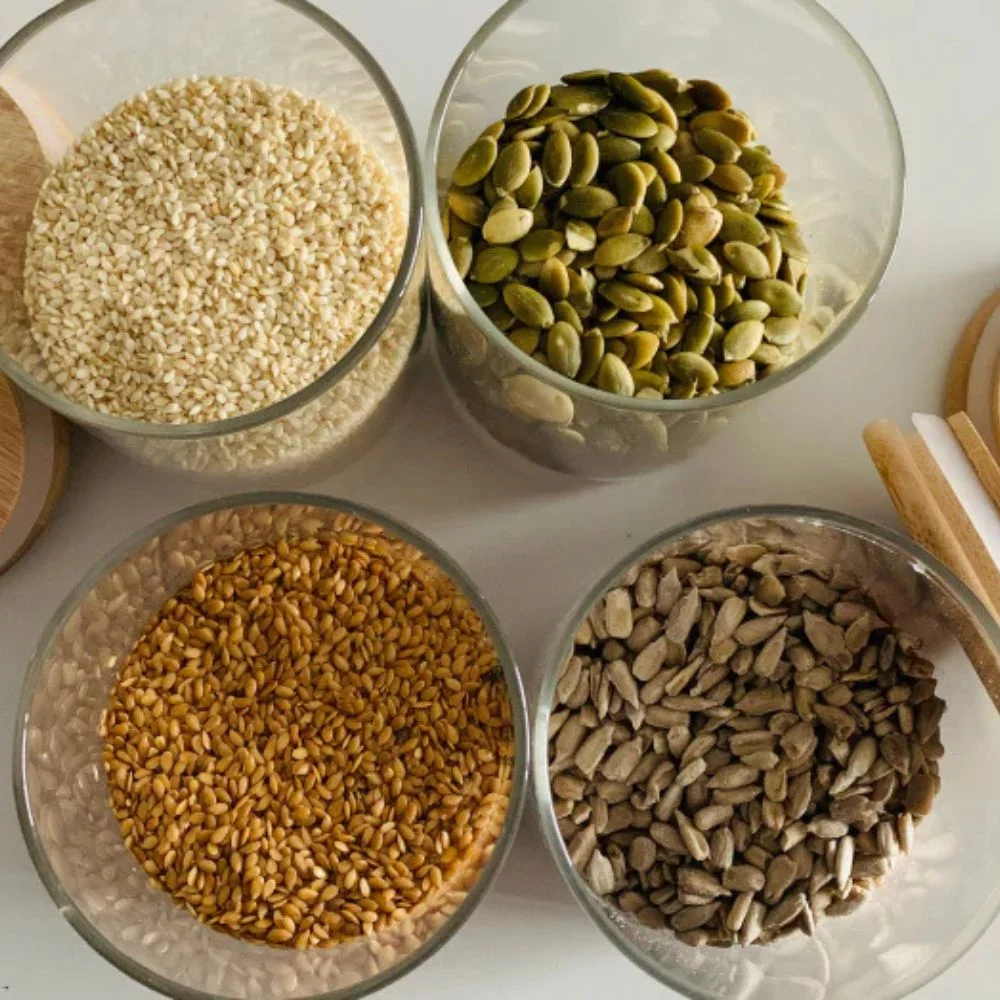
- Seed cycling (rotating flaxseeds, pumpkin, sesame, and sunflower seeds) may help balance estrogen and progesterone
For Menopause
- Include strength training in your routine to help prevent bone and muscle loss.
- Increase omega-3s for inflammation and mood support
- Herbal support: maca root and black cohosh are often used to ease symptoms
Consult your healthcare provider before you begin taking any new supplements.
When to See a Professional?
While lifestyle changes make a big difference, sometimes you need extra support. If your symptoms are severe or persistent, consider:
- Hormone testing (via saliva, blood, or urine)
- Working with an integrative or functional medicine doctor
- Getting your thyroid levels checked
- Exploring bioidentical hormone therapy (with supervision)
The earlier you identify an imbalance, the easier it is to correct.
Conclusion
You can achieve balance without taking extreme measures. You can start today by eating nourishing foods, moving your body with intention, managing stress, and listening to your body’s signals. Whether you’re dealing with fatigue, mood swings, or just want to feel more like you, focusing on hormone health is one of the best investments you can make. So take a deep breath, pour yourself a glass of water, and take one step toward balance because you’re worth it.