
Table of Contents
- Trump Emphasizes Lower Taxes for Americans
- New Tax Cuts Could Benefit Small Businesses
- Focus on Blue-Collar Workers and Overtime Pay
- Corporate Taxes Might See Another Adjustment
- Workers Could See Bigger Paychecks Under New Plan
- Trump Stresses Simpler Tax Filing System
- Economic Growth as the Main Target
- Concerns Around Budget Deficits and Tax Cuts
- Trump’s Plan Could Reshape Labor Rules
- Overview of Trump’s Tax and Overtime Policies Across Contexts
- A Turning Point in U.S. Economic Policy
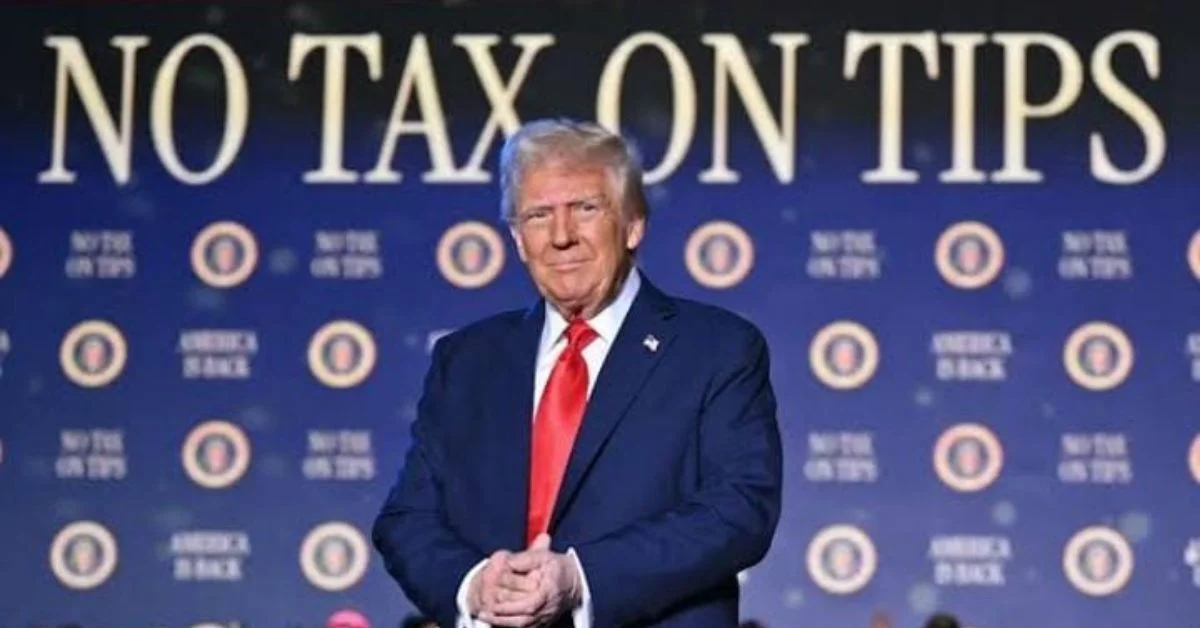
Donald Trump has once again stepped into the spotlight with updates on tax policy and overtime rules, both of which have major effects on the American workforce and businesses. Trump’s Tax and Overtime recent discussions shed light on what he plans to do if elected again and how those changes will affect the lives of working Americans, small business owners, and the broader economy.
Trump’s latest speeches on Tax and Overtime and interviews focus strongly on tax cuts, economic growth, and changes in how overtime pay is calculated. These topics matter not only to economists and lawmakers but also to everyday people trying to understand how these rules could change their paycheck or their business’s bottom line.
Trump Emphasizes Lower Taxes for Americans
In his recent public talks, Donald Trump has strongly reaffirmed his support for lower taxes, especially for working Americans. He emphasized that citizens should “keep more of what they earn,” a phrase that reflects his long-standing tax philosophy.This statement ties back to his landmark 2017 policy, the Tax Cuts and Jobs Act (TCJA). That act significantly lowered tax rates for individuals and businesses, adjusting income brackets and increasing the standard deduction.
Main points of his tax message:
- Reduce federal income tax for middle-class families
- Cut business tax rates, especially for small companies
- Encourage job creation by reducing tax pressure on employers
New Tax Cuts Could Benefit Small Businesses

Trump discussed offering tax relief and support to small businesses, which he often calls the “backbone of America.” He recognizes that small business owners face several financial pressures, including payroll taxes, self-employment taxes, and high compliance costs related to regulations and tax filing. These burdens can limit a business’s ability to grow, hire workers, or reinvest in operations. By reducing these pressures, Trump aims to make it easier for small businesses to thrive, believing that stronger local businesses will lead to job creation and economic stability in communities across the country.
His plan includes:
- Lowering small business tax rates
- Streamlining filing processes
- Reducing penalties for late tax payments
By doing this, Trump hopes to help businesses reinvest profits into hiring and expanding. This move also connects to his promise of increasing domestic production.
Focus on Blue-Collar Workers and Overtime Pay
One of the key topics Trump touched on was the issue of overtime rules. The current rules about who qualifies for overtime pay can be confusing for both workers and employers. Trump suggests that the Department of Labor should review current limits and raise the overtime salary threshold. This change means more workers would qualify for extra pay when working beyond 40 hours a week.
Key changes he proposed:
- Update outdated salary thresholds
- Ensure fair compensation for long work hours
- Balance overtime costs for employers
Corporate Taxes Might See Another Adjustment
Trump has indicated that corporate tax rates could be reduced even further, building on the cuts made during his previous term. The main goal behind this is to encourage multinational companies to return their operations to the United States and to make it easier for startups and small enterprises to get off the ground. According to Trump, high corporate taxes discourage innovation, slow down expansion, and push businesses overseas.
This proposal aligns with his “America First” economic strategy, which focuses on increasing domestic investment, job creation, and manufacturing within U.S. borders. By making the business environment more tax-friendly, Trump aims to boost economic output (GDP) and keep more business activity rooted in the country.
Workers Could See Bigger Paychecks Under New Plan
If Trump’s new tax plan is approved, workers could see a noticeable increase in their take-home pay. This would result from a combination of lower income tax rates and expanded tax credits. By reducing the percentage of earnings that individuals are required to pay in federal taxes, more of each paycheck would stay in the hands of the worker. At the same time, expanded tax credits such as those for families or low-income earners would further reduce the overall tax burden. These combined measures are designed to give people more financial breathing room, allowing them to spend more on daily needs, save for the future, or invest in personal goals.
This could especially benefit:
- Middle-income families
- Hourly wage workers
- A young professional is
These plans focus on increasing financial freedom for working-class citizens.
Trump Stresses Simpler Tax Filing System
Another key focus in Trump’s tax proposals is simplifying the overall tax system. He aims to make it easier and faster for individuals and businesses to file their taxes. His previous reforms and those he’s now proposing include reducing the length and complexity of tax forms, as well as eliminating many confusing or narrowly targeted deductions. By doing this, Trump wants to ensure that more people can file their taxes without needing professional help, which could save time, lower costs, and reduce filing errors. Simplification is seen as a way to make the system more user-friendly and transparent.
His goals include:
- Fewer tax brackets
- Less paperwork
- Easier e-filing systems
This could help reduce errors and lower costs for those who hire accountants or use tax software.
Economic Growth as the Main Target
Everything Trump says about taxes and overtime centers around a single key objective: driving economic growth. He believes that by reducing tax burdens on individuals and businesses, people will have more money to spend, and companies will have more resources to invest, expand, and hire new workers. As a result, overall economic activity is anticipated to increase. His focus on growth reflects the economic trends seen during his previous term, which included low unemployment rates and strong stock market gains. Trump often points to those results as proof that his tax and labor policies can lead to a healthier and more dynamic economy.
Concerns Around Budget Deficits and Tax Cuts
Despite Trump’s promises of tax relief, some experts and critics raise concerns about the potential impact on the federal deficit. They argue that cutting taxes reduces the government’s revenue, which could lead to less funding for essential public services like healthcare, education, and infrastructure projects. The fear is that long-term underfunding in these areas could harm national development and public well-being.
In response, Trump’s Tax and Overtime team claims that economic growth will make up for the revenue loss. They believe that as businesses grow and more people earn income, the government will collect more taxes overall, even at lower rates, because the tax base will be larger. This idea relies on the principle that a stronger economy will naturally generate more income for the government, offsetting the initial drop in revenue from tax cuts.
Trump’s Plan Could Reshape Labor Rules

Over time, changes might require businesses to update contracts, especially in industries like retail, logistics, and hospitality. Trump’s Tax and Overtime has said he would support businesses by giving them time to adjust before new rules take effect.
Overview of Trump’s Tax and Overtime Policies Across Contexts
| Domain | Context | Meaning/Implication |
| Income Tax | Middle-class tax cuts | More take-home pay, relief for working families |
| Small Business | Lower rates and simpler filing | Business growth, job creation, reinvestment |
| Corporate Tax | Possible further reduction | Encourage domestic investment, boost U.S. competitiveness |
| Overtime Policy | Expand eligibility and raise the threshold | Fair compensation for extra work |
| Tax Filing System | Fewer brackets, simpler returns | Easier compliance, less need for professional help |
| Worker Wages | More disposable income through tax relief | Increased household spending power |
| Economic Strategy | Lower taxes and labor reform combined | Stimulate economic growth and reduce unemployment |
| National Budget | Critics warn of higher deficits due to tax cuts | Concerns over long-term fiscal health |
| Labor Regulations | Gradual rollout of overtime changes | Balance between worker rights and business capacity |
| Public Messaging | “America First” economic focus | Emphasis on U.S. jobs, local production, and prosperity |
A Turning Point in U.S. Economic Policy
Trump’s talk on taxes and overtime reveals a detailed plan for reviving the economy. He’s placing priority on lower taxes, increased worker pay, and a simpler tax code. If these ideas become policy, the impact could reshape how businesses hire and how workers earn.
While supporters praise the pro-growth agenda, critics urge caution on long-term fiscal effects. Still, his focus remains steady: boosting America’s economy through reform and relief.